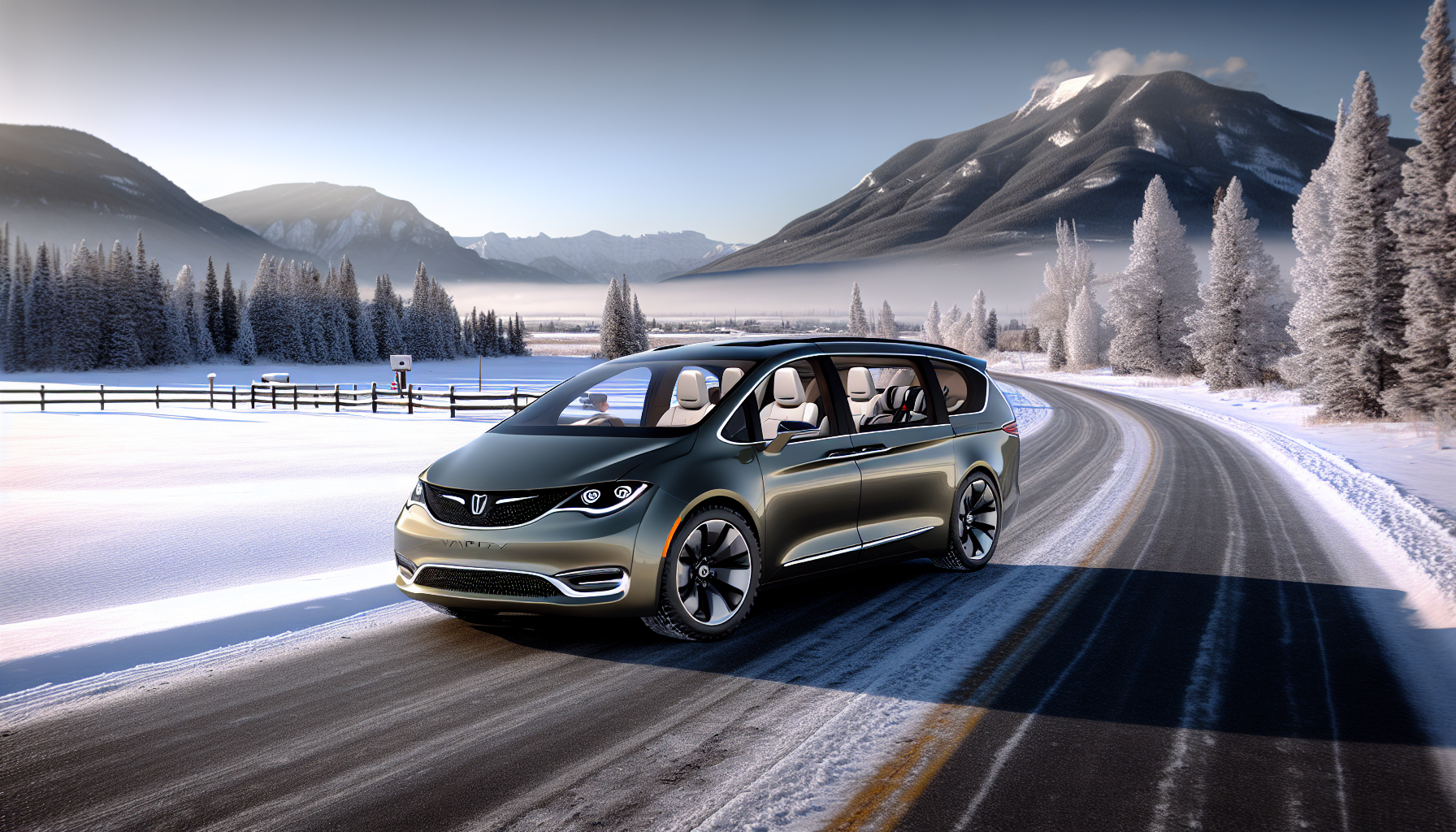
2026 Family Car Safety: Upgrades Parents Need to Know
The 2026 Safety Shift Every Alberta Parent Should Watch
Picture this: it’s a -25°C morning, the school bell is minutes away, your windshield is frosted at the edges, and traffic is thick with pickups and SUVs. In 2026, more vehicles will quietly step in to watch your blind spots, detect a sleeping toddler left in the second row, and brake for a cyclist emerging from a snowbank’s shadow. That’s not sci-fi—it’s the direction of new car releases and late-model refreshes rolling into Canada over the next model year.
As Alberta parents, we ask more of our vehicles. We drive long distances on rural highways, face sudden whiteouts, and haul car seats, hockey bags, and grandparents. The good news: the latest auto industry news points to meaningful upgrades across mainstream brands—features designed to prevent the kinds of real-world crashes and close calls we actually see here.
What’s New for 2026: A Quick Snapshot for Families
- Child Presence Detection (CPD) and Enhanced Rear-Seat Reminders: Sensors that detect movement, breathing, or weight—plus smarter alerts tied to door usage and seat belts.
- Advanced Automatic Emergency Braking (AEB): Better pedestrian and cyclist detection, improved night-time performance, and new junction/turning assist to prevent left-turn collisions.
- Smarter Airbags and Seat-Belt Tech: More rear-seat pretensioners, better load limiters for kids in boosters, and center airbags to reduce head contact in side impacts.
- Adaptive Driving Beams (ADB): Matrix LED headlights that keep high beams on while shading out oncoming traffic—game-changers for rural and winter driving.
- Driver Monitoring Systems (DMS): Cameras and sensors that watch for drowsiness and distraction—especially helpful on dark commutes.
- Cross-Traffic AEB and Blind-Spot Intervention: Active steering or braking if a collision is imminent during lane changes or parking-lot reversals.
- Improved Sensor Heating/Cleaning: Camera washers, heated radar panels, and better de-icing designs so safety tech still works when it’s slushy.
- Speed and School-Zone Assist: Map- and sign-based alerts that nudge you in changing speed zones—useful on unfamiliar roads and near schools.
The Big Five Safety Upgrades Parents Should Prioritize
1) Child Presence Detection and Rear-Seat Reminders
These systems go beyond a simple chime. On many 2026 models, CPD uses ultrasonic or radar sensors to detect movement or even subtle breathing patterns in the rear cabin after you lock the car. If something’s detected—say a napping toddler on a hectic morning—the vehicle can honk, flash lights, send an app alert, or even contact a service line depending on the brand’s telematics.
Alberta tip: Cold weather gear can hide buckles and blankets can obscure movement. During a test drive, ask the sales rep to demonstrate the reminder logic: open the rear door, buckle a car seat, then turn the car off and lock it. Confirm what alerts trigger and how quickly they appear.
Used-car angle: If you’re browsing private seller cars Alberta-wide on an open car marketplace, check build sheets or window stickers for rear-seat reminder or CPD. Many 2022–2025 models offer this as standard or part of a family package.
2) AEB That Works at Night and in Winter
The most important AEB upgrade in 2026 is better low-light and multi-object detection. That means improved recognition of pedestrians, cyclists, and even large animals at dusk—exactly when winter commutes are darkest. Some systems now include junction AEB to prevent left-turn crashes, one of the most common serious urban-suburban collisions.
Alberta tip: Ask if the front camera has a washer nozzle and whether the radar is behind a heated emblem or panel. Slush can blind sensors; 2026 updates increasingly address this.
On a test drive: Drive at twilight if possible, and confirm that forward-collision warnings are visible and audible. Check sensitivity settings—you don’t want nuisance alerts on blowing snow, but you do want early warnings on cross-traffic and parked cars partly in your lane.
3) Rear-Seat Belt Tech and Smarter Airbags
Families with boosters and teens should pay attention to rear-seat safety upgrades. Look for rear pretensioners and load limiters, which help tailor crash forces for smaller bodies. Some 2026 models add a center airbag between front occupants to reduce head contact in side impacts—critical if you’ve got a front passenger and a tall driver.
Booster and harness check: Test your child seats in the actual vehicle. Confirm you can get a tight install with UAS (Canada’s LATCH) or with the seat belt and top tether. For highback boosters, check headrest adjustability and belt fit—your child’s shoulder belt should lie flat and centered on the collarbone.
4) Adaptive Driving Beams and Real Headlight Performance
Transport Canada has approved advanced headlight technologies that will be increasingly common by 2026. Adaptive Driving Beams (ADB) use matrix LEDs to carve out dark zones for oncoming cars while keeping the rest of the road brightly lit. On rural Alberta highways lined with wildlife, that’s a big safety win.
What to test: Find a dark stretch and ensure the system quickly recognizes oncoming vehicles and adjusts without flicker. Check for cornering illumination on gravel roads and the clarity of the beam in falling snow—some systems reduce glare better than others.
5) Driver Monitoring for Fatigue and Distraction
Long winter drives can be tiring. 2026 systems using an infrared camera can spot heavy eyelids, glances down at a phone, or micro-sleep behavior and prompt a break. While no tech replaces rest, these nudges can be the difference between “almost” and “uh-oh.”
Privacy note: Most systems process data locally and don’t record video, but ask how your brand handles storage and consent—especially if you share the car with teenage drivers.
Alberta Realities: Will 2026 Tech Work in -30°C?
Safety systems are only as good as their sensors. In Alberta winters, cameras can frost, and radar can clog with slush. Here’s how 2026 designs are getting more winter-proof—and what you should look for:
- Heated elements: Ask if the front camera sits behind a heated windshield area, and whether the radar panel or emblem is heated or hydrophobic.
- Washers and wipers: Look for camera washers and headlight washers; they keep vision systems clear during a salty commute.
- Redundant sensing: Systems combining camera + radar + ultrasonic can perform better in mixed conditions than camera-only setups.
- Snow-mode tuning: Some brands adjust AEB thresholds and traction control for low-grip conditions. Toggle and test them on a safe, empty road.
Remember: even the best AEB and lane-keeping systems can go “temporarily unavailable” in severe conditions. That’s normal. What matters is how quickly they recover once surfaces are cleaned or warmed.
What Parents Can Do Right Now (New or Used)
You don’t need a brand-new 2026 model to gain most of these protections. Many 2022–2025 vehicles already have advanced AEB, rear-seat reminders, 360° cameras, and blind-spot intervention. If you’re shopping across a car marketplace Alberta shoppers trust—comparing dealer inventory with private seller cars—use the trim and package filters to zero in on safety suites, not just leather and sunroofs.
At Driving With Us Auto Market, we list both new and used vehicles and run an open marketplace where private sellers can post their cars. Whether you search “new and used cars Edmonton” or browse province-wide, compare safety packages by name (e.g., “Driver Assist,” “Pro Safety,” “Active Sense”). Marketplace trends show that family-focused trims with CPD, 360° cameras, and AEB hold value better and sell faster.
Checklist for Used Listings
- Ask for the build sheet: It spells out safety options—don’t rely on a generic ad title.
- Confirm software status: Some safety features improve with updates; ask the seller for the latest firmware or a dealership printout.
- Inspect sensors: Look for cracked windshields near the camera mount and damaged bumper panels over radar units.
- Car seat test-fit: Bring your car seat and base. Try first, buy later.
Car Seat Compatibility in Canadian Vehicles
In Canada, we use the UAS (commonly called LATCH) and a mandatory top tether for forward-facing seats. For 2026 family vehicles, expect clearer anchor labels and better access. Still, every cabin layout is different:
- Anchor access: Test the second-row center position; some vehicles only provide UAS on the outboard seats.
- Third-row reality: If you need third-row car seats, confirm anchor locations and seat-belt geometry. Many SUVs can’t safely accommodate three across.
- Airbag compatibility: Check your seat’s manual for guidance with side airbags and seat-belt tensioners—some boosters work better with certain belt geometries.
Legal note: Alberta law requires that children are properly restrained according to the seat manufacturer’s instructions. Always verify the latest provincial guidance from Alberta Transportation and your seat’s manual.
How to Test Safety Tech—The Alberta Way
Don’t buy on assumptions. Here’s a practical test drive sequence you can try on safe roads and empty lots:
- Sensor visibility check: With a clean car, confirm forward-collision warnings trigger when approaching a parked vehicle at low speed. Do this carefully and be prepared to brake.
- Lane support: On a well-marked road, verify lane-departure warnings and lane-keeping assist. See how the system behaves with faded lines or sun glare.
- Blind-spot intervention: With a friend in the next lane, attempt a safe, signaled lane change when the blind spot is occupied—confirm the system warns and, if equipped, gently nudges you back.
- Rear cross-traffic AEB: In an empty lot, have a helper slowly cross behind the vehicle while you reverse. Confirm visual, audio, and braking responses.
- Headlights at dusk: Check high-beam response time, cut-off clarity, and side illumination. Look for flicker or glare in snow.
- Child presence demo: Buckle a small weighted item (or a bag) in the rear, then lock the car. Confirm rear-seat reminders or CPD alerts behave as advertised.
Financing a Family-Safe Vehicle Without Overstretching
Safety doesn’t need to wreck your budget. Many trims that include CPD, advanced AEB, and upgraded headlights are mid-level, not just top-tier. If you’re comparing vehicle financing Canada options across dealers and private sellers, take a moment to get pre-approved so you know your real monthly range before you test-drive.
If you’re rebuilding credit or buying your first family vehicle, consider these resources:
- bad credit car loans to keep your options open while you improve your score
- first time car buyer programs that may include rate reductions or extended terms
- $0 down car loans if you’d rather preserve cash for winter tires, car seats, and insurance
At Driving With Us Auto Market, we finance both dealership purchases and private sale transactions in our open car marketplace—handy if you find the perfect family SUV listed by a neighbour across the province.
Total Cost of Safety: Don’t Forget Tires and Insurance
A 2026 safety suite is powerful, but your only four contact patches matter most. Budget for high-quality winter tires mounted on dedicated rims—your AEB and stability control will work better on snow and ice. Ask your insurer if advanced safety tech can reduce premiums; some Alberta providers consider ADAS for discounts or lower collision rates, but it varies by company.
Also consider repair costs: sensors behind bumpers and windshields can raise the price of minor repairs. A well-chosen deductible and glass coverage can be worth it in hail and gravel country.
Marketplace Trends: What’s Hot for 2026
We’re already seeing marketplace trends in Alberta: family crossovers with robust safety suites—think CPD, 360° cameras with washers, and ADB headlights—command faster sales and stronger resale. Shoppers who usually search phrases like “auto sales Edmonton,” “vehicle marketplace Edmonton,” or “new and used cars Edmonton” are broadening to province-wide listings to snag the right trim. In the open car marketplace model, that means more choice and better pricing—but also more competition for the safest builds.
2026–2028 Outlook: The Road Ahead
If you plan to keep your next family vehicle for 6–10 years, it’s worth thinking two steps ahead:
- Better child detection: Expect wider adoption of radar-based CPD with clearer, multi-channel alerts.
- More capable AEB: Expansion of intersection assist and cross-traffic braking with improved snow handling.
- Enhanced mapping and V2X: Early-stage vehicle-to-infrastructure (V2I) integrations for school zones and temporary limits, rolling out as networks grow.
- Standardized driver monitoring: Increasingly common as automakers align with global safety ratings.
In short, the 2026 model year is a solid jump forward. If your current ride lacks modern safety tech, the next 12–24 months offer a sweet spot: mature features, broader availability, and more used options hitting Alberta listings.
How to Shop Smart in Alberta
- Define must-haves: Put CPD, advanced AEB, and upgraded headlights on your non-negotiable list.
- Verify the package name: Each brand names its safety bundle differently—be precise to avoid surprises.
- Check for winter-ready touches: Heated wiper park, remote start, block heater, camera washers, and heated radar panels.
- Inspect used vehicles closely: Look for windshield chips near the camera area and bumper scuffs where radar lives—small damage can disable big features.
- Plan the budget holistically: Line up financing, winter tires, and car seats together; consider auto loan refinancing later if rates drop.
Bottom Line
For Alberta families, the 2026 safety story is refreshingly practical: fewer gimmicks, more protection when it’s dark, cold, and busy. Prioritize CPD, advanced AEB with night-time and cyclist detection, smart airbags and rear-seat belt tech, adaptive headlights, and reliable driver monitoring. Test them in real Alberta conditions. And when you’re ready to shop—whether it’s across a car marketplace Alberta buyers use daily or through our open listings—compare trims by their safety content first, convenience second.
Need a head start on numbers? You can get pre-approved in minutes, explore bad credit car loans if you’re rebuilding, tap first time car buyer programs for guidance, or keep cash free with $0 down car loans. No matter which route you take, the right 2026 safety upgrades can make every school run, rink night, and road trip across Alberta a lot less stressful.