After the Thaw: Alberta’s Guide to Salt Removal
Winter’s over. Why does your vehicle still look salty?
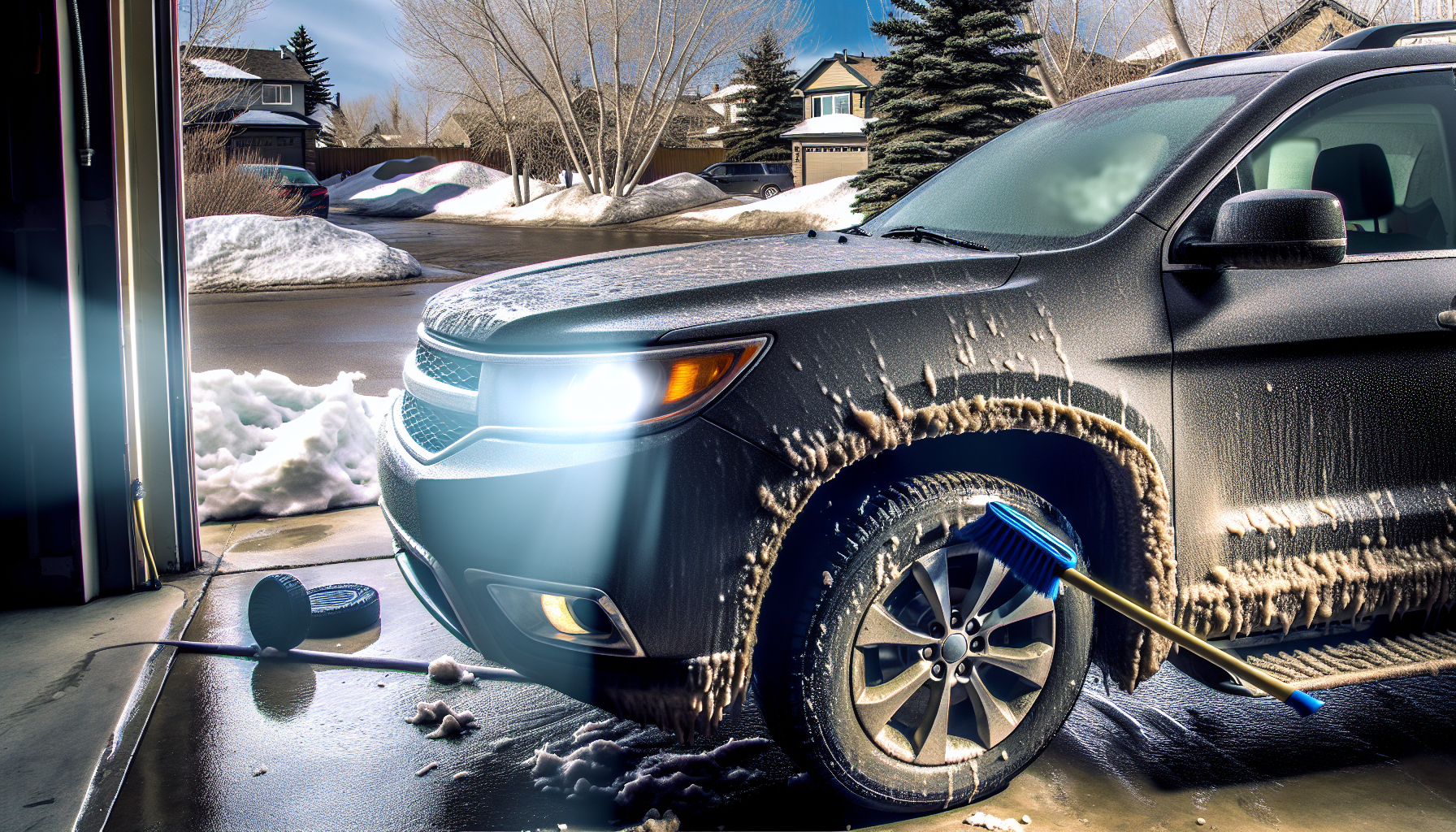
Ever notice how your car still looks dusty and streaked, even after a quick wash? That’s Alberta winter grime—an abrasive mix of sand, gravel, and anti‑icing brines that cling to paint, cake inside wheel wells, and creep into carpet fibres. Add our trademark freeze‑thaw swings (especially common in southern Alberta) and you get brine that melts, splashes, then dries into a stubborn film that simple soap can’t fully remove. The result: etched glass, stained carpets, and early rust on underbodies and brake lines if you ignore it.
Good news: a thorough spring detail can reverse winter’s damage and protect your vehicle before summer road trips. Here’s a professional, Alberta‑specific plan to remove salt, restore shine, and keep corrosion at bay.
What makes Alberta’s winter grime uniquely tough?
- Mixed road treatments: Municipalities use different combos of sand, gravel, salt/brine, and calcium chloride. The mix sticks to everything, especially textured plastics and wheel wells.
- Freeze‑thaw cycles: Daytime thaw and overnight freeze cement salty residue to paint and glass.
- Gravel rash: Chips in rocker panels and lower doors open the door to rust when salty moisture seeps underneath.
- Fine dust + brine: Grit becomes a grinding paste if you scrub too soon or wash incorrectly.
Before you start: timing, temperature, and location
- Pick a mild day: Aim for 5–15°C so soap works and water doesn’t refreeze in locks or door seals.
- Work in the shade: Direct sun bakes mineral spots onto paint and glass.
- Mind the runoff: Use biodegradable soap and wash on gravel or grass when possible to keep suds out of storm drains.
- Gather supplies: pH‑neutral car shampoo, pre‑wash foam (optional), a pressure washer or strong hose, undercarriage nozzle or lawn soaker, two buckets with grit guards, microfiber wash mitts, wheel brushes, all‑purpose cleaner (APC), iron remover, tar remover, clay bar or clay mitt, drying towels, detailing spray or spray sealant, trim restorer, glass cleaner, vacuum, fabric cleaner, vinegar, soft and stiff interior brushes, and rubber/trim protectant.
Step‑by‑step exterior wash to banish salt and film
1) Pre‑rinse and undercarriage flush
Start from the bottom up. Alberta’s salt and gravel concentrate under the car and inside wheel wells.
- Undercarriage: Use an underbody wand or a lawn sprinkler/soaker slid beneath the vehicle for 5–10 minutes per side. Focus on frame rails, rocker panel seams, rear subframe, and behind the wheels. This flush reduces corrosion on brake/fuel lines and exhaust hangers.
- Wheel wells: Blast liners and lips where sand packs tightly. A dedicated wheel well brush helps break up stubborn buildup.
2) Wheels and tires first
Brake dust and brine can etch clear coat on wheels if ignored.
- Spray wheels with a wheel cleaner or diluted APC. Agitate with a soft wheel brush and a separate tire brush for rubber.
- Rinse thoroughly. Don’t let chemicals dry.
3) Foam pre‑wash (optional but powerful)
Cover the car with a snow foam and let it dwell for 3–5 minutes. This loosens salty film and grit so you don’t grind it into paint.
4) Two‑bucket contact wash
- Use a pH‑neutral shampoo, two buckets with grit guards (wash and rinse), and a microfiber mitt.
- Wash top‑down in straight lines, rinsing the mitt often. Pay extra attention to rockers, lower doors, and the rear bumper—Alberta’s grime collects here.
- Rinse thoroughly.
5) Decontamination: iron and tar removal
Even after a careful wash, winter film can remain. That’s where chemical decon shines.
- Iron remover: Spray on paint, wheels, and glass (check label). It reacts with embedded metallic particles (from brake dust and road grit), turning purple as it dissolves. Rinse thoroughly.
- Tar remover: Alberta’s chip seal roads can leave tiny tar specks along rockers and behind wheels. Apply tar remover to those lower panels, dwell per instructions, then rinse.
6) Clay bar or clay mitt (only if needed)
With the surface clean, glide a lubricated clay bar or mitt over the paint. If it feels rough or you hear a light scratchy sound, you still have bonded contamination. Clay until smooth, then rinse again.
7) Dry safely and protect
- Use large, clean microfiber drying towels and a drying aid or spray sealant to reduce friction.
- Blow water from mirrors, emblems, fuel doors, and trim to avoid drips and water spots.
- Finish with a protective layer: a modern spray sealant or ceramic spray gives months of hydrophobic protection and makes future washes faster.
Undercarriage: where Alberta’s salt does the most damage
After winter, take an extra 10–15 minutes underneath:
- Inspect high‑risk zones: Rocker pinch welds, subframe mounts, brake and fuel lines, wheel arch lips, and the spare tire cradle. Look for orange bloom or flaky rust.
- Neutralize and protect: If you see surface rust, clean the area and apply a rust converter, then a topcoat. For long‑term defense, consider a reputable oil‑based rust inhibitor applied to seams and inside rocker panels—common practice across Alberta before next winter.
- Don’t trap salt: Never undercoat over dirt or salt. Clean, dry, then coat.
Trim, glass, and the details that make it feel new again
- Textured plastics: Use an APC and a soft brush to lift white salt haze from textured bumpers and fender trims, then apply a UV‑safe trim restorer.
- Glass decon: Clay the windshield and use an alcohol‑based glass cleaner for squeak‑clean clarity. Add a rain‑repellent to fight spring showers.
- Wipers and cameras: Replace streaky blades and gently wipe ADAS cameras, radar emblems, and parking sensors. Road film can hinder safety features.
- Door jambs and seals: Clean jambs and seal channels. Lightly coat weatherstrips with silicone spray to prevent sticking and squeaks after freeze‑thaw.
- Hinges and latches: A touch of white lithium grease ends winter creaks.
Interior deep clean: conquering salt rings and winter funk
1) Floor mats first
- Rubber mats: Remove, rinse, scrub with APC, and rinse again. Dry and apply a non‑slip rubber protectant (avoid glossy dressings that can make mats slippery).
- Carpet mats: Vacuum, then rinse thoroughly. Pre‑treat with a fabric cleaner. A rented hot‑water extractor pulls salt and mud deep from fibres.
2) Salt stain removal that actually works
Those white rings are mineral deposits. Water alone won’t dissolve them for long. Try this:
- Mix a 1:1 solution of warm water and white vinegar (test on an inconspicuous spot first).
- Lightly mist stains and let dwell 2–3 minutes.
- Agitate with a soft brush, then blot with a clean microfiber.
- Follow up with plain warm water to remove vinegar residue.
- Extract with a wet/dry vacuum or carpet extractor. Repeat if needed.
For heavy deposits, a dedicated salt stain remover designed for Canadian winters can speed things up.
3) Seats, dash, and air you breathe
- Upholstery: Use a fabric cleaner and gentle agitation. For leather, use a pH‑balanced leather cleaner and conditioner—never vinegar.
- Cabin air filter: Replace it after winter. Alberta’s dusty shoulder seasons clog filters.
- HVAC refresh: A quick cabin disinfectant spray into the intake helps clear lingering odours.
Quick spring maintenance checks while you’re there
Detailing reveals issues you might miss otherwise. A few minutes can save a spring breakdown or expensive auto repair later:
- Tires: Inspect tread and sidewalls for winter damage and set pressures to spring temps.
- Brakes: Look for uneven wear or rust lip on rotors—spring is a great time for a car service inspection.
- Alignment: If the steering wheel sits off‑centre after surviving winter potholes, book an alignment.
- Fluids: Top up washer fluid and check oil, coolant, and brake fluid levels.
- Paint chips: Touch up rock chips along the hood and rockers to seal out moisture and salt.
Should you DIY or hire a pro in Alberta?
DIY is rewarding and budget‑friendly, but there’s no shame in calling a detailer—especially for extraction, paint correction, or ceramic coating.
- DIY cost: $60–$200 in supplies if you already have buckets, mitts, and towels.
- Professional spring package in Alberta: Often $200–$450 for exterior/interior, more if you add undercarriage treatment, salt extraction, or a ceramic topper.
- Time trade‑off: Expect 4–8 hours for a thorough DIY spring reset.
Selling or upgrading this spring? Detailing = dollars
Clean cars sell faster and for more—simple as that. A salt‑free underbody and spotless carpets photograph better and reassure buyers your vehicle was cared for through winter.
- Photos that pop: Shoot after the detail in soft light. Capture rockers, wheel wells, and cargo areas—common pain points after Alberta winters.
- Proof of care: Keep receipts for detailing, rust inhibitor, and spring vehicle maintenance. Buyers love paper trails.
- Market timing: Spring is prime time for shoppers comparing listings across a car marketplace Alberta or even a vehicle marketplace Edmonton.
If you’re listing, Alberta buyers often search for “private seller cars Alberta” and “new and used cars Edmonton.” Clean, well‑documented vehicles stand out on an open car marketplace. Driving With Us Auto Market lists both new and used vehicles and also runs an open marketplace for private sellers, province‑wide. We can even finance private‑sale purchases, which gives more buyers the flexibility to say yes.
Financing moves that pair well with spring cleaning
- Shopping after the wash? It’s smart to compare rates and get pre-approved before you fall in love with a ride.
- No big down payment? Consider options like $0 down car loans if you need to keep cash free for insurance, plates, or summer tires.
- Local benchmark: Use tools like auto financing in Edmonton as a reference point when you compare offers across Alberta, even if you buy privately.
- First upgrade? If you’re new to the process, our first time car buyer programs can help you plan payments and avoid surprises.
Whether you’re eyeing “auto sales Edmonton” listings or browsing dealers across the province, a clean trade‑in or private‑sale vehicle presents better and often appraises higher—an advantage in any negotiation.
Troubleshooting stubborn winter leftovers
- White bloom returns on carpets: You likely didn’t fully dissolve the minerals. Repeat the vinegar method and extract thoroughly. Use hot (not boiling) water.
- Hazy windshield even after cleaning: Clay the glass, then use an alcohol‑based cleaner. Add a glass polish if needed.
- Rust freckles after iron remover: Those are stone chips. Clean, dab touch‑up paint, let cure, then seal.
- Persistent wheel well stains: Step up to a stronger APC dilution and a stiffer (but plastic‑safe) brush, then protect with a dressing to make future cleanups easier.
Safety notes and Alberta‑smart tips
- Avoid freezing doors: If temps drop overnight, crack doors open after washing and dry seals thoroughly.
- Pressure washer etiquette: 1,200–1,800 PSI is plenty. Keep the tip 12–18 inches from paint to avoid damage.
- Engine bay: If you clean it, cover the alternator, battery terminals, and intakes. Use light pressure and avoid soaking sensors.
- Sunroof drains: Alberta dust can clog them. Use gentle compressed air or trim line to ensure drains are clear to prevent interior leaks.
- Wax vs. sealant vs. ceramic: Modern spray sealants or entry‑level ceramic sprays offer excellent durability for Alberta’s long driving distances and varied weather.
Quick reference checklist
- Flush undercarriage and wheel wells
- Clean wheels/tires, then two‑bucket wash
- Iron remover and tar remover where needed
- Clay if the surface still feels rough
- Dry with microfiber + drying aid; apply sealant
- Detail trim, glass, door jambs, and seals
- Deep clean mats and carpets; remove salt rings
- Replace cabin air filter and wipers
- Inspect for chips and early rust; touch up and protect
How often should Alberta drivers wash in spring?
Right after the big thaw, give your vehicle a deep reset using the process above. After that, a gentle wash every 2–3 weeks (more if you drive gravel) keeps salt and dust from building up again. Top up protection with a spray sealant every 6–8 weeks.
Final word: reset winter, enjoy summer
Salt and winter grime don’t have to win. With a thoughtful spring detail tailored to Alberta conditions, you’ll strip away residue, stop corrosion early, and make your vehicle easier to maintain all season. If your spring reset turns into a plan to upgrade, you can compare options across an open marketplace—browse dealer inventory or private seller cars Alberta‑wide, and line up financing beforehand for a smoother experience. Whether you’re scrolling new and used cars Edmonton listings or shopping anywhere in the province, a clean, well‑kept vehicle sets you up for confident miles ahead.