Alberta Road-Trip SUVs That Sip Fuel, Not Fun
Ready to Go Farther on Less Fuel?
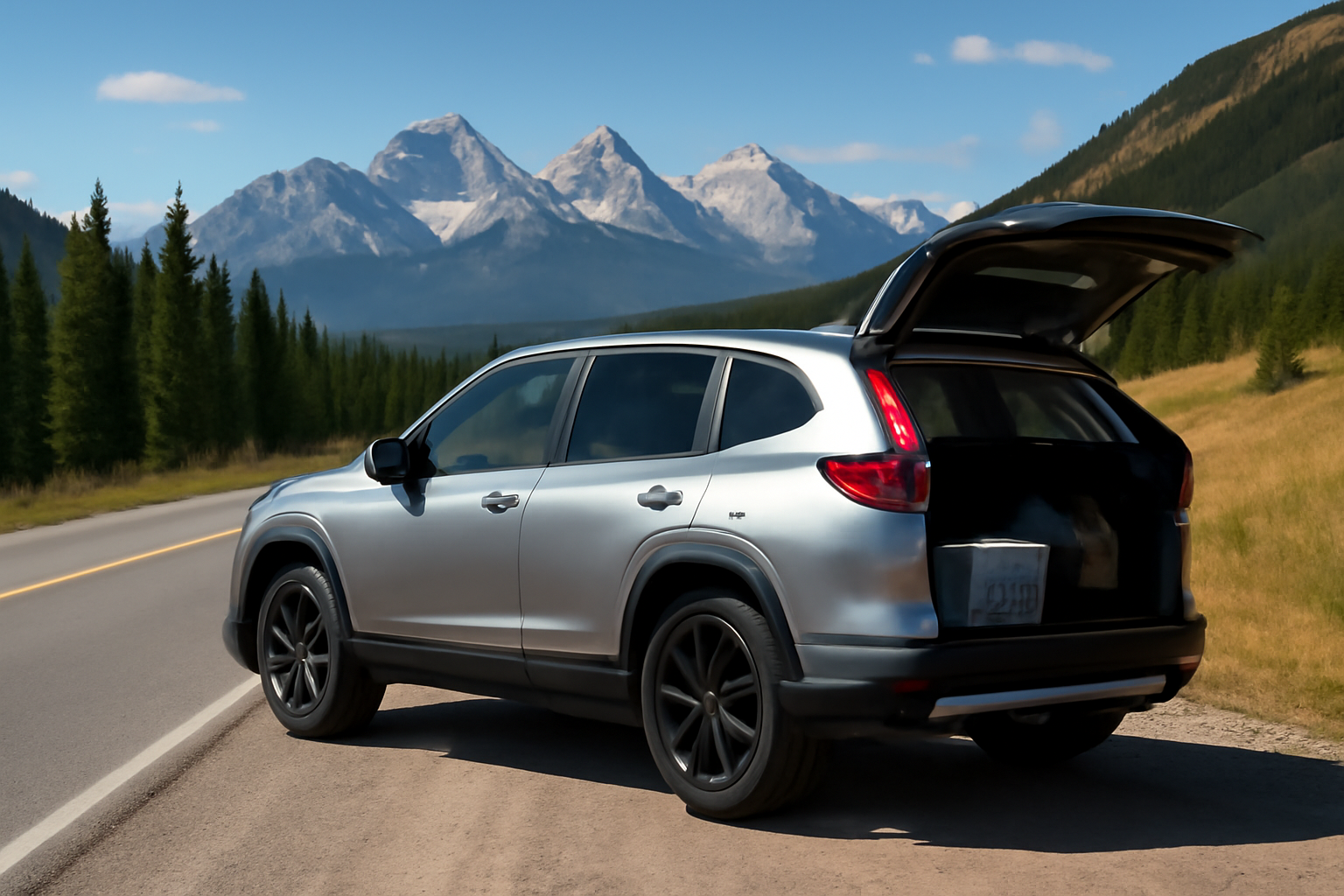
Picture this: you’ve loaded the cooler, the fly rods, and the kids’ bikes. The sun’s out, the route’s picked, and your tank is full. But instead of watching the needle drop fast against prairie headwinds, your SUV just keeps cruising—calm, quiet, and efficient. That’s the promise of the right fuel-efficient SUV for Alberta road trips. The trick is matching the spec sheet to real Alberta realities: winter, wind, gravel, elevation, and long highway stints.
In this car comparison and vehicle review, we’ll break down the best fuel-efficient SUVs for Alberta based on real-world needs—hybrids, PHEVs, and efficient gas AWD options—plus what to look for, how to test-drive, and smart ways to pay. It’s an auto comparison built for our roads and our weather.
What Matters Most for Alberta Road-Trip Efficiency
Before you compare models, focus on features that actually save fuel and stress here:
- AWD vs. tires: AWD adds confidence for icy mornings or muddy trailheads, but winter-rated tires (3PMSF symbol) are the bigger safety win. FWD hybrids with great winter tires can be both grippy and thrifty.
- Ground clearance: Look for ~200 mm if your trips include gravel, unplowed lots, or fresh spring ruts.
- Cold-weather smarts: Hybrids and PHEVs do best with preconditioning (warming the cabin while plugged in). Heat pumps, heated seats/steering wheels, and remote start with timer save fuel in deep winter.
- Block heater: Worth it for -20°C and below. Faster warmups = less idling and better L/100 km.
- Roof rails vs. boxes: Roof boxes crush highway economy. Consider a hitch carrier when possible.
- Tow rating and cargo: Alberta trips often mean bikes, a small trailer, or camping gear. Match your load to a realistic tow rating and cargo volume.
- Fuel economy reality: NRCan numbers are a benchmark. Expect 10–25% worse in winter depending on your route, warmups, and wind.
The Shortlist: Fuel‑Efficient SUVs That Make Sense in Alberta
NRCan combined L/100 km estimates are listed where available. Actual results vary—especially in winter.
Toyota RAV4 Hybrid (AWD)
- Why it works here: Balanced ride, excellent reliability, and real 6.0 L/100 km potential. With ~213 mm of ground clearance, it’s comfortable on gravel approaches.
- Estimated economy: ~6.0 L/100 km combined (NRCan).
- Highlights: Proven hybrid system, available heated everything, and a roomy cargo area.
- Watch-fors: High demand; used market prices can be strong.
- Best for: Drivers who want set‑and‑forget efficiency and strong resale on Alberta’s used market.
Honda CR‑V Hybrid (AWD)
- Why it works here: Quiet highway manners, spacious interior, confident snow performance with winter tires.
- Estimated economy: ~6.4 L/100 km combined.
- Highlights: Comfortable seats for long days, smart driver assists, excellent cargo function.
- Watch-fors: Hybrid trims can be pricier; availability varies.
- Best for: Families prioritizing comfort and consistency on long Alberta drives.
Hyundai Tucson Hybrid (AWD)
- Why it works here: Strong value, long warranty, and easy-going highway efficiency.
- Estimated economy: ~6.4 L/100 km combined.
- Highlights: Tech-forward cabin, available remote features for winter prep, solid cargo space.
- Watch-fors: Real-world winter economy can trend closer to 7+ L/100 km with heavy heat use.
- Best for: Value hunters who road-trip often and want modern tech.
Kia Sportage Hybrid (AWD)
- Why it works here: Big interior for the class and steady highway manners.
- Estimated economy: ~6.4 L/100 km combined.
- Highlights: Huge cargo area, calm ride, plenty of driver assists for long hauls.
- Watch-fors: Wheel/tire choices can nudge economy down; avoid aggressive all‑terrain tread unless you need it.
- Best for: Drivers who pack a lot but still want compact‑SUV thrift.
Ford Escape Hybrid (AWD)
- Why it works here: Quiet and efficient cruiser with predictable winter behavior.
- Estimated economy: ~5.8–6.0 L/100 km combined (trim-dependent).
- Highlights: Good ride comfort, available tow package for small trailers (check trim).
- Watch-fors: Inventory can be spotty; confirm parts/service access in your area.
- Best for: Highway-heavy commuters who want hybrid efficiency without drama.
Toyota Corolla Cross Hybrid (AWD)
- Why it works here: Smaller footprint, generous economy, and Toyota’s hybrid know‑how.
- Estimated economy: ~6.4 L/100 km combined.
- Highlights: Easy to park, decent ground clearance for the size, simple ownership.
- Watch-fors: Not the roomiest; better for couples or light-packers.
- Best for: City‑to‑mountain weekenders who want hybrid thrift in a smaller package.
Plug‑In Hybrids (PHEVs): Best for Mixed City‑Highway
If you can charge at home or work, a PHEV can cover weekday errands on electricity and still tackle long Alberta road trips on gas. In winter, expect reduced EV range—preheat while plugged in for best results.
Toyota RAV4 Prime (AWD)
- Why it works here: The do‑it‑all: long EV range for daily life, hybrid efficiency on the highway, and solid clearance.
- EV range: Up to ~68 km in ideal conditions (less in winter).
- Gas-only economy after depletion: ~6.0 L/100 km combined (hybrid mode).
- Watch-fors: High demand; order times and pricing vary.
Mitsubishi Outlander PHEV (AWD, 3-row)
- Why it works here: Optional third row for kids, useful EV range, and confident winter manners.
- EV range: ~61 km (ideal conditions).
- Gas-only economy after depletion: ~9.0 L/100 km combined (driving style and load matter).
- Watch-fors: Small third row; pack realistically for long trips.
Kia Sportage PHEV (AWD)
- Why it works here: Quiet EV commuting, strong torque for mountain grades when the gas engine assists.
- EV range: ~55 km (ideal conditions).
- Gas-only economy after depletion: Typically 7–8+ L/100 km depending on load and speed.
- Watch-fors: Winter range drops; precondition religiously when it’s cold.
Rebates note: Many PHEVs qualify for Canada’s federal iZEV incentive (up to $5,000) if the MSRP meets program caps. Alberta currently has no additional provincial EV rebate. Always verify current eligibility before you buy.
Efficient Gas AWD Picks (If You’re Not Ready for Hybrid)
Hybrids shine, but some gas AWD SUVs post respectable numbers and are easy to find new or used.
Nissan Rogue (1.5L VC‑Turbo, AWD)
- Estimated economy: ~7.6 L/100 km combined.
- Why it works: Good highway refinement and efficient cruising when driven smoothly.
- Watch-fors: CVT behavior isn’t everyone’s favourite; test on hills and passes.
Subaru Forester (AWD)
- Estimated economy: ~8.2 L/100 km combined.
- Why it works: Excellent all‑weather traction and ground clearance. Not the thriftiest, but confidence can prevent energy‑wasting wheelspin.
- Watch-fors: Prioritize winter tires to get the most from Subaru’s symmetrical AWD.
Toyota Highlander Hybrid (AWD, 3‑row)
- Estimated economy: ~6.7–7.0 L/100 km combined for a three‑row—impressive for family road trips.
- Why it works: Big space, small fuel bills, excellent long‑distance comfort.
New vs Used Cars: What’s Smart in Alberta?
Both can make sense; here’s how to decide for our climate and roads:
- Hybrids (used): Ask for hybrid battery health info and service records. Many brands warranty hybrid components 8–10 years; verify what’s left.
- PHEVs (used): Test EV range on a mild day. Cold will shorten it, but a healthy pack should still feel strong in town.
- Cold-weather gear: Check for a block heater, heated seats/steering wheel, remote start/app control, and an all‑weather cargo mat.
- Undercarriage: Inspect for gravel rash or rust from winter buildup. A pre‑purchase inspection is money well spent.
- Tires: Budget for winter tires if none are included. Efficiency and safety both improve when rubber matches the season.
- Warranty/recalls: Confirm any open recalls and remaining coverage, especially for electrified components.
How Winter Changes Your L/100 km (and What to Do)
- Expect 10–25% worse economy in deep winter due to cold starts, thicker fluids, snow drag, and cabin heat.
- Precondition while plugged in (PHEV/HEV with remote features) to save fuel on the first 10–15 minutes of driving.
- Use seat and wheel heaters so you can run the cabin temp slightly lower without freezing.
- Keep tires properly inflated: Cold drops PSI; low pressure hurts economy and stability.
- Limit idling: Two minutes is usually enough before gentle driving warms things up.
- Remove roof boxes/crossbars when not needed; they can add 10–20% drag at highway speeds.
Test‑Drive Like an Albertan
Bring your real life to the test. Load the family, pick your usual highway, and include:
- Highway climb and descent: Watch hybrid engine noise on long grades and braking stability on the way down.
- Crosswind segment: Alberta winds are real; note steering correction fatigue and noise.
- Rough shoulder or gravel: Listen for rattles and test ride quality at moderate speed.
- Pack check: Strollers, coolers, camp bins. Does the cargo floor and liftgate height work for you?
- Winter simulation: If it’s warm out, still test the defroster speed, heated seats, and remote start/app setup.
Cost of Ownership and Smart Financing
Hybrids and PHEVs often cost more upfront but pay you back in fuel savings—especially if your trips include long highway stretches with a full vehicle. If you’re comparing monthly payments, factor fuel, maintenance, and potential federal incentives for PHEVs.
To simplify the numbers, you can get pre-approved and shop confidently with a budget that fits your lifestyle. If cash flow matters today, explore $0 down car loans (on approved credit). Building or rebuilding credit? Our Alberta team helps with bad credit car loans and even auto loan refinancing if you’re trading out of a thirsty SUV into something more efficient.
Where to Shop in Alberta (and How to Compare Faster)
When you’re cross‑shopping this list, an open car marketplace saves time. Driving With Us Auto Market brings together new and used vehicles from our inventory alongside private seller cars Alberta drivers are listing—so your car comparison happens in one place. You can filter by fuel type (hybrid, PHEV, gas), tow rating, ground clearance, and driver‑assist features to create your own auto comparison shortlist that actually fits Alberta roads. It’s a car marketplace Alberta buyers can use to weigh options side‑by‑side, whether you prefer dealer inventory or a well‑cared‑for private sale.
Because we support financing for both dealership purchases and private transactions, you’re not boxed in by where the right SUV happens to be listed. And with practical car buying tips baked into each vehicle review and listing notes, you’ll know exactly what to check—block heaters, winter tires, service records—before you book a test drive.
Packing and Driving Tips to Stretch Every Litre
- Pack low, pack light: Heavy roof loads and boxes add drag; put heavier items in the cargo floor area.
- Use Eco modes on the highway: Many hybrids soften throttle and optimize climate for better L/100 km.
- Set cruise a bit lower: Dropping from 115 to 105 km/h can save meaningful fuel on long hauls, especially in headwinds.
- Fuel quality: Stick to the recommended octane. Premium won’t help a regular‑grade engine, but turbo engines that require premium should get it—especially on hot days and mountain climbs.
- Maintenance matters: Fresh oil, clean filters, and properly aligned wheels prevent wasted fuel.
Quick Picks by Traveller Type
- Efficiency first, everyday use: Toyota RAV4 Hybrid, Honda CR‑V Hybrid
- Best value tech bundle: Hyundai Tucson Hybrid, Kia Sportage Hybrid
- PHEV sweet spot (AWD): Toyota RAV4 Prime; family flexibility: Mitsubishi Outlander PHEV
- Three‑row with thrift: Toyota Highlander Hybrid
- Gas AWD, good manners: Nissan Rogue; winter‑ready confidence: Subaru Forester
- Smaller footprint, big savings: Toyota Corolla Cross Hybrid
Bottom Line
Alberta road trips ask a lot from an SUV: stability in wind, confidence in snow, room for gear, and long‑haul comfort. The best fuel‑efficient choices pair smart drivetrains with cold‑weather features and real cargo space. Start with the shortlist above, test‑drive like a local, and compare total cost of ownership—not just the sticker price.
When you’re ready, browse an open selection of hybrids, PHEVs, and efficient gas SUVs at Driving With Us Auto Market. You can line up options from dealers and private sellers, consider vehicle financing Canada‑wide programs, and get pre-approved to shop with confidence. With the right SUV, you’ll spend more time exploring Alberta—and less time at the pump.
Fuel economy figures are based on NRCan estimates available at the time of writing. Always verify current ratings, incentives, and model availability before purchase.