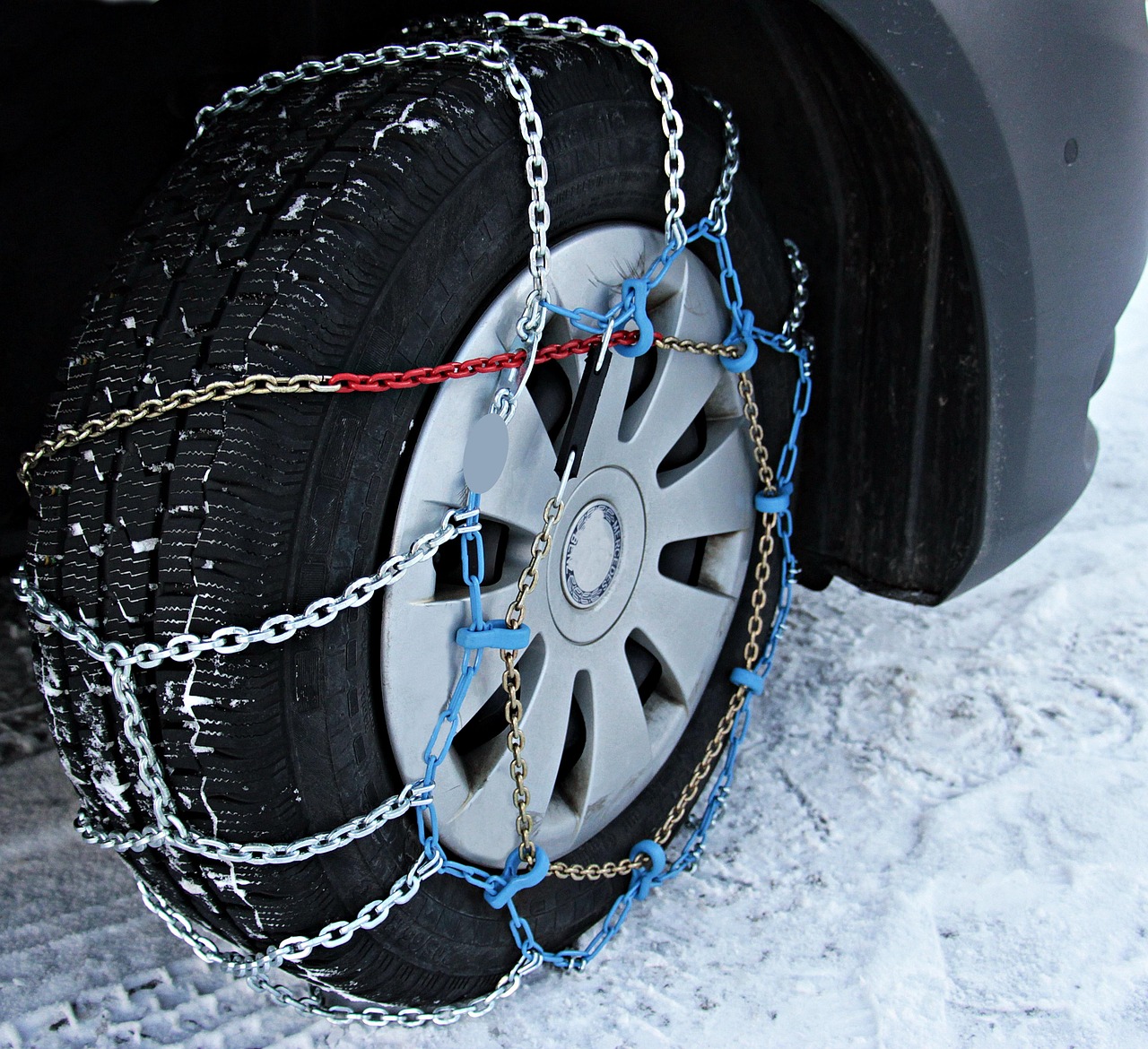
All-Season vs Winter Tires: The Cold-Weather Science
What really happens to your tires when Alberta turns to ice?
Picture a clear, crisp morning: frost on the windshield, thermometer hovering just below zero. You ease onto the highway, hit a shaded overpass, and suddenly the ABS chatters and the steering goes light. That nerve-jangling slide isn’t bad luck—it’s science. Rubber compounds harden in the cold, tread blocks stiffen, and on Alberta’s freeze–thaw “glare ice,” your tire’s microscopic grip can disappear in an instant. Choosing between all-season and winter tires isn’t just a budget decision—it’s a physics decision tailored to our province’s weather and roads.
The science: Rubber, temperature, and why 7°C matters
Modern tires are engineered around temperature windows. The softer the rubber (with carefully blended silica and oils), the better it conforms to cold, rough surfaces and the tiny irregularities on ice. The rule of thumb is simple: when daily temperatures consistently sit at or below about 7°C, all-season compounds start to stiffen and lose grip. Winter tires stay pliable well below that threshold, often down to -30°C or colder.
- All-season compounds: Optimized for moderate temps (+7°C to +30°C). In real Alberta cold, they harden, increasing braking distances and reducing cornering grip.
- Winter compounds: High silica, cold-weather oils, and micro-flexible polymers stay soft in sub-zero temps, maintaining grip on snow and ice.
- Sipes and biting edges: Winter tires use hundreds to thousands of tiny slits (sipes) that open under load to “bite” into ice and pack snow into the tread, snow-on-snow friction further improving traction.
In independent tests, winter tires can shorten stopping distances on cold pavement and ice by 20–40% versus typical all-seasons. That’s the difference between a close call and a collision when a deer darts out on a shaded rural highway.
Alberta’s driving reality: Why our roads demand a smarter tire choice
Alberta throws a unique mix at drivers: arctic outbreaks, chinooks, hard-packed snow, polished intersections, rural grid roads, wind-blown drifts, and wide-open highways with long, shaded bridges. Sand and gravel help, but they can also chew up tread and chip windshields. Even if you commute mostly on well-plowed roads, shoulder-season mornings can drop suddenly below freezing—exactly when all-seasons struggle most. If you split time between city streets, rural secondaries, and mountain foothills, winter rubber is the safer baseline for months of the year.
All-season vs winter: A side-by-side that matters here
Temperature window
- All-season: Best above 7°C; performance declines as temps drop. Great three-season choice.
- Winter: Designed for sustained cold; retains flexibility and grip well below freezing.
Tread design and siping
- All-season: Fewer sipes, wider grooves for water evacuation, not optimized for snow packing.
- Winter: Dense sipes, high void ratio, and snow-packing blocks to generate friction and channel slush.
Braking and handling
- Cold dry pavement: Winter tires often stop shorter because the rubber stays compliant. All-seasons can feel skittish.
- Glare ice and packed snow: Winter tires significantly reduce stopping distance and improve launch traction and stability control effectiveness.
AWD/4x4 myth-busting
All-wheel drive helps you go, not stop. On ice, your stopping distance is dictated by tire grip, not power distribution. An AWD truck on all-seasons can still out-brake (poorly) compared to a front-wheel-drive car on good winters. Don’t let driveline confidence mask tire limitations.
What about all-weather tires?
All-weather tires bridge the gap. Look for the Three-Peak Mountain Snowflake (3PMSF) symbol—the same winter certification used on dedicated snow tires. All-weathers use compounds and siping that work in the cold, but with designs that tolerate summer heat better than pure winters. They’re a strong choice if:
- You live where roads are cleared quickly but temps still dip below freezing.
- You want to avoid seasonal changeovers and storage.
- Your driving is mostly urban/suburban with occasional rural trips.
Trade-offs: In deep cold and on polished ice, top-tier winter tires still win. In +30°C July heat on chipseal, a dedicated summer or all-season tire will feel sharper and may wear more slowly.
Studded winter tires in Alberta: Legal and practical
Studded winter tires are legal for passenger vehicles in Alberta with no specific date restrictions. They add tungsten-carbide pins to improve grip on glare ice—handy where freeze–thaw cycles turn intersections and bridges into skating rinks. Consider studs if:
- You regularly encounter untreated rural roads, steep gravel grades, or wind-polished ice.
- Your travel times are early morning/late night when salt/sand crews haven’t been through.
Trade-offs: Road noise, slightly longer braking on bare pavement, and potential for faster wear if you spend most of winter on dry, clear roads. If your routes are mostly maintained highways, a premium non-studded winter tire with advanced compounds often strikes the best balance.
When should Alberta drivers switch?
- Fall install: When daytime highs consistently sit near 7°C or lower. Don’t wait for the first big snowfall; cold pavement alone reduces all-season grip.
- Spring swap: When nights stay above freezing and daytime highs climb well past 7–10°C. Running winters into warm spring accelerates wear.
Alberta’s chinooks complicate the calendar. Aim for temperature trends over single warm spells, and don’t panic-swap after two mild days if the 10-day forecast dips back below freezing.
Picking the right tire: Size, load, and age
- Size: Stick with the OEM size on your door jamb or owner’s manual. Narrower winter sizes can help cut through slush, but stay within approved fitments.
- Load index: Trucks and SUVs (especially with payloads or towing) should match or exceed the OEM load index. LT/E-load tires ride firmer; choose based on real needs.
- Speed rating: Winter tires may have lower speed ratings; that’s okay if they meet or exceed your legal driving speeds.
- Age: Check the DOT code (week/year). Rubber hardens with time. Around six seasons is often the practical limit even if tread remains.
Tread depth: How much is enough?
- Legal minimum: 1.6 mm (2/32 in). That’s not safe for winter.
- Winter safety minimum: Replace around 4 mm (5/32 in); below that, snow and slush traction drops sharply.
Use a tread gauge for accuracy. If you’re buying used wheels/tires with a vehicle, measure all four, check for uneven wear, and confirm date codes.
Pressure, TPMS, and cold-weather maintenance
- Pressure drops with cold: Expect about 1 psi loss for every ~6°C drop in temperature. Check pressures monthly and after major cold snaps.
- TPMS resets: If you run dedicated winter wheels, some vehicles need TPMS sensors cloned or re-registered to avoid warning lights.
- Rotation: Rotate every 8,000–10,000 km for even wear; cross-rotate directional/non-directional patterns properly.
- Alignment: Potholes, ruts, and gravel can knock alignment out. If you see shoulder wear or pulling, get it checked.
- Storage: Clean, dry, and dark. On rims, store stacked or hung; off rims, store upright and rotate position monthly. Tire totes keep interiors clean if you DIY transport.
Cost math: What winter tires really save
There’s an upfront bite, but winter tires often pay for themselves:
- Longer life overall: You split kilometers between two sets, extending the life of each.
- Accident avoidance: Even one avoided deductible/claim or minor fender repair can exceed the cost of a set.
- Insurance: Some Alberta insurers may offer small winter tire discounts—worth asking.
- Changeover/storage: Typical seasonal swap $80–$150; mount/balance on loose tires $120–$200. Seasonal storage at many shops is $60–$120.
Financing a vehicle and need winters? It’s common to roll a winter wheel/tire package into vehicle financing in Canada when you purchase. When you’re shopping through an open car marketplace or at dealerships like Driving With Us Auto Market, ask about adding winters to the bill of sale so you’re ready for first frost.
Buying used? Alberta-specific tire tips
Whether you’re browsing a car marketplace in Alberta or hunting private seller cars across the province, tires can swing value and safety:
- Ask for both sets: Many Alberta vehicles come with a winter set on steel or alloy wheels. That’s real value. If a listing shows “two sets of tires,” confirm tread depth and DOT age.
- Inspect for winter rating: Look for the 3PMSF mountain-snowflake symbol. “M+S” alone isn’t enough for true winter performance.
- Check sizes match: Ensure winter setup clears brakes and matches load requirements—common issue on half-ton and three-quarter-ton trucks.
- Test-drive on cold pavement: In sub-zero temps, notice stopping and steering feel. All-seasons may feel glassy; winters should feel planted.
- Negotiate smart: If there’s no winter set, price in $900–$1,600 for a quality package depending on vehicle size.
If you’re filtering listings for new and used cars Edmonton or a vehicle marketplace Edmonton style search—even if you’re actually located anywhere in Alberta—look for sellers who mention recent winter tire installs or include an extra set. It’s a reliable proxy for a vehicle that’s been winter-prepped and maintained.
Selling your car? Tire details that boost trust (and price)
Smart private seller tips for Alberta:
- List both sets with photos: Shoot clear tread close-ups with a gauge. Mention 3PMSF, DOT year, and approximate remaining tread in mm.
- Include receipts: Proof of purchase, rotation, and alignment adds credibility.
- Clean and bag: Present winter tires in tire totes or clean bags; it signals care and helps justify price.
- Be upfront on wear: If winters are near 4 mm, say so and price accordingly—it prevents renegotiation later.
On an open car marketplace like the one we run at Driving With Us Auto Market, transparent tire info helps your listing stand out among private seller cars in Alberta. Buyers appreciate honesty—and they move faster on well-documented vehicles.
FAQ: Quick hits for Alberta drivers
1) Do I need winter tires if I only drive in town?
Urban roads still see black ice at intersections and bridges. Winter tires aren’t just for deep snow—they outperform all-seasons on cold dry pavement too.
2) Are studded tires overkill?
Not if you regularly face untreated roads or early-morning glare ice. Otherwise, premium non-studded winters usually balance traction, comfort, and wear better.
3) Can I run winters year-round?
You could, but warm-weather braking, handling, and wear suffer. Swap to all-seasons or all-weathers in spring to save rubber and fuel.
4) Will winter tires impact fuel economy?
Slightly, due to softer compounds and aggressive tread. Proper inflation minimizes the difference.
5) What about chains?
Chains aren’t common for passenger vehicles here and are typically reserved for extreme, low-speed use. Winter tires are the practical everyday solution.
Putting it all together: Choose by science, not habit
If your winter includes sub-zero mornings, occasional rural drives, and the odd chinook freeze–thaw (so, most of Alberta), dedicated winter tires are the smart, science-backed choice from late fall to early spring. All-weathers are a strong one-set compromise if your driving is mostly cleared roads with milder cold snaps. All-seasons remain a great three-season option—just don’t expect miracles below 7°C.
Shopping for a vehicle? Ask for a winter set, confirm 3PMSF markings, and check tread depth and date codes. Selling? Lead with clear tire details—buyers notice. At Driving With Us Auto Market, our open marketplace connects buyers and sellers across Alberta, and our team can help you source winter packages or roll them into financing on both dealership purchases and private-sale transactions. Whether you’re browsing auto sales Edmonton style searches or comparing listings across the province, pairing the right tires with the right vehicle is essential car maintenance, smart vehicle care, and just good Alberta driving.
Bottom line: Let the thermometer guide you. When the mercury drops, let winter-rated rubber do the heavy lifting—and enjoy a calmer, safer drive all season long.