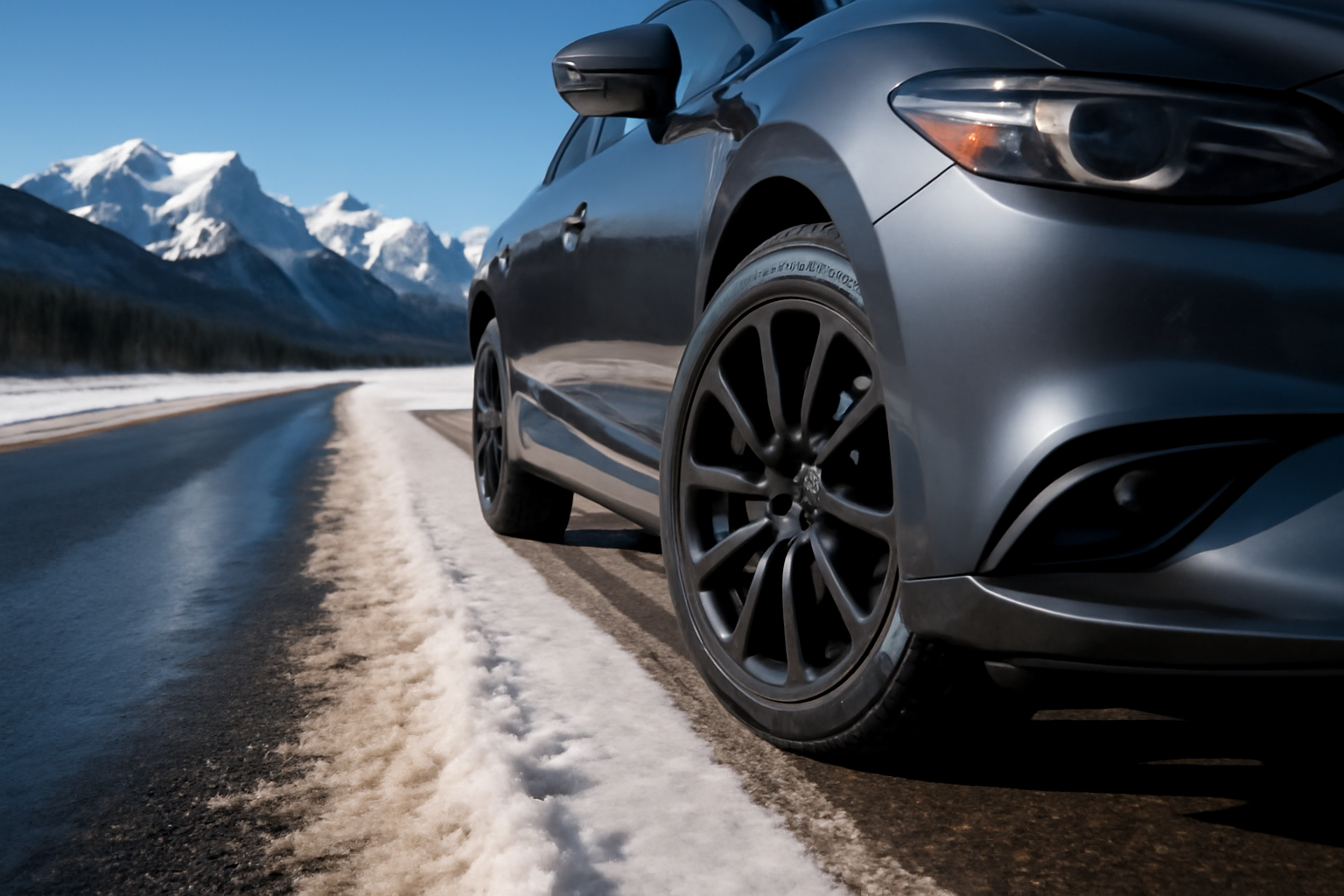
All-Weather Sport Tires: Alberta’s Smart Upgrade
Ever wish one set of tires could keep up with Alberta’s weather mood swings?
Picture this: the morning commute starts at -18°C with frost-nipped pavement, then a chinook rolls in and by lunch you’re splashing through slush, cruising on dry asphalt by supper. That’s a typical day for many Alberta drivers. If you’re tired of swapping between winter and summer sets—and storing, mounting, balancing, and recalibrating TPMS twice a year—there’s a compelling middle path: all-weather sport tires.
These aren’t your average all-seasons. All-weather sport tires blend winter-certified compounds with performance-oriented tread patterns, giving you year-round confidence plus a more engaging steering feel when the roads actually clear. Let’s unpack the hidden benefits, Alberta-specific considerations, and the maintenance steps that make them last.
All-Weather Sport Tires 101: What They Are—and Aren’t
Quick definitions so we’re talking apples to apples:
- All-season tires: Great in mild climates. Most aren’t winter-certified and harden up in deep cold. They carry M+S but rarely the three-peak mountain snowflake (3PMSF) symbol.
- Winter tires: Soft compounds and aggressive siping for sub-zero traction and deep snow, nearly always 3PMSF. Phenomenal in cold, but can feel vague and wear faster in warm temps.
- All-weather tires: The Canadian sweet spot: 3PMSF winter-rated compounds designed to stay pliable in the cold, but tuned to survive summer heat. True four-season use.
- All-weather sport tires: A performance-leaning branch of the all-weather family. They keep the 3PMSF winter rating but add stiffer shoulders, sportier tread blocks, and advanced silica blends for more precise steering and shorter braking on dry and wet pavement when temps rise.
Why this matters in Alberta: we swing between polar and springlike conditions in a single week. An all-weather sport tire can maintain winter composure while delivering the responsive feel you want on clear roads and chip-sealed highways.
Hidden Benefits on Alberta Roads
1) Real Winter Rating without the Spring Slump
Look for the 3PMSF symbol. That stamp means verified snow traction—something most “all-season” tires can’t claim. In Alberta’s -30°C snaps, the all-weather sport compound stays flexible, helping you launch from icy side streets and brake with confidence on packed snow.
2) Sharper Steering for the 80% of Days That Aren’t Blizzards
Stiffer shoulder blocks and reinforced center ribs give better response and lane-change stability on dry and wet pavement. On our long prairie stretches and open highways, that stability reduces fatigue and builds trust in the car’s reactions—especially when passing semis or managing crosswinds.
3) Slush-Planing Resistance
Directional V-shaped patterns and full-depth sipes channel meltwater and slush away from the contact patch. During chinooks or late-March thaws, this cuts your risk of that “floating” sensation when ruts fill with watery snow.
4) Better Cold-Wet Braking
Cold rain and refreeze events are common across Alberta. Silica-rich compounds shine here, trimming braking distances compared to standard all-seasons when pavement temps hover just above zero.
5) One Set, Fewer Headaches
- No seasonal swaps: Save the time and cost of spring/fall mount-and-balance, plus TPMS relearns.
- Space savers: No need to store a second set in your garage or shed.
- Consistent handling: No re-learning your car twice per year. The vehicle feels familiar in July and January.
6) Cost of Ownership Can Pencil Out
One quality set, properly rotated, can be more cost-effective than two mid-grade sets plus biannual service. Factor in fewer visits for mounting, balancing, and alignments triggered by wheel changes.
7) Works with Modern Safety Tech
ABS, stability control, and AWD systems benefit from predictable grip. All-weather sport tires’ consistent behavior across temperature swings helps those systems respond more accurately.
Where All-Weather Sport Tires Shine in Alberta
- Daily commuting across temperature swings: Start on frost, end on dry asphalt—no problem.
- Shoulder seasons: March/April and October/November can throw everything at you. These tires thrive on mixed conditions.
- Chip-seal and gravel connectors: Many secondary roads use chip-seal or gravel. Robust shoulder blocks and modern casing designs help resist chipping and stone drilling better than basic touring all-seasons.
- Prairie crosswinds: The stiffer sidewalls improve directional stability on long, open routes.
- Light towing and loaded trips: For cross-province camping or gear hauls, selecting the right load index and, if needed, XL casing keeps things stable.
When Dedicated Winters Still Win
Honesty check. If you regularly face:
- Extended -30°C weeks with drifted rural roads,
- Unplowed mountain passes or icy backcountry access, or
- Frequent deep-snow trailheads,
then a true winter tire may still be the better bet from December to March. Likewise, if you track the car or push hard on hot summer days, a dedicated summer performance tire will out-grip any all-weather. The “sport” in all-weather sport means better response than standard all-weathers, not race rubber.
Choosing the Right All-Weather Sport Tire for Alberta
1) Verify the 3PMSF Symbol
Non-negotiable if you want legitimate winter performance. It’s your quick visual confirmation that the tire meets a standardized severe-snow traction test.
2) Match Load Index and Speed Rating
- Load index: Ensure it meets or exceeds your vehicle’s door-jamb spec, especially for SUVs, trucks, or if you tow.
- XL (Extra Load): Consider XL casings for heavier crossovers and trucks to improve stability and resist pothole impacts on spring-thaw roads.
- Speed rating: W or Y ratings are common on sportier patterns and help deliver the steering precision you’re after.
3) Consider a Minus-One Wheel Setup
Dropping one inch in wheel diameter (with proper brake clearance) and increasing sidewall height can improve winter bump absorption and rim protection on potholes, while keeping the same overall tire diameter. Many Alberta drivers find this balances comfort and control on rough stretches.
4) Treadwear and Warranty
UTQG treadwear numbers can give a ballpark for longevity, but prioritize real-world reviews from cold-climate drivers. A good road-hazard warranty matters on gravel-prone routes.
5) Check the DOT Date Code
New tires can sit in warehouses. Look for the four-digit DOT code; “3425” means week 34 of 2025. Aim for fresh stock (under two years old) so you get maximum life from the compound.
6) Think about Noise and Comfort
Chip-seal surfaces can be loud. Many all-weather sport options use variable-pitch tread blocks and foam liners to reduce cabin hum on those longer Alberta stretches.
Maintenance That Maximizes Life (and Grip)
1) Rotation Schedule That Works Here
- Every 8,000–10,000 km or at every oil change. Alberta’s coarse surfaces can accelerate shoulder wear; regular rotations keep the set even.
- Directional tread: Front-to-back on the same side.
- Asymmetric non-directional: Use a cross pattern (e.g., rearward cross) if your vehicle allows.
2) Tire Pressure and Chinooks
Expect about 1 psi change for every 5°C shift. If a chinook boosts temps 20°C, your pressures can swing ~4 psi. Check monthly and before long trips. Use the door-jamb spec as your baseline, and adjust if carrying heavy loads (within manufacturer guidance). Underinflation hurts fuel economy and hikes heat; overinflation shrinks the contact patch and can lengthen winter braking.
3) Alignment After Pothole Season
Spring thaw exposes cracks and potholes. If the wheel tugs, the steering wheel sits off-center, or you notice feathering on the inner/outer shoulders, get an alignment. A proper toe setting is crucial for sport-pattern tires to maintain crisp turn-in and even wear.
4) Tread Depth Benchmarks
- New: Typically 8–10/32".
- Winter safety guideline: Replace around 5/32" for reliable snow evacuation and ice grip.
- Legal min in Alberta: About 2/32"—but waiting that long compromises wet and cold traction well before you hit the legal line.
5) Balancing and Road Force Checks
Vibrations at highway speed? Get a balance check. If the shake persists, a road-force measurement can pinpoint a tire/wheel uniformity issue—handy for sportier, stiffer-carcass tires that transmit more feedback.
6) Repair Rules for Punctures
Nails happen on construction-heavy routes. Repairs should be a proper plug-patch from inside, within the repairable zone (tread, not shoulder/sidewall). A quick plug-only is a temporary fix. If in doubt, visit a trusted car service or auto repair shop experienced with modern UHP casings.
7) Seasonal Cleaning
Rinse off road salt and gravel. Embedded stones can drill deeper into lugs; pick them out periodically to prevent long-term damage.
Budgeting and Buying Smart (Without Overpaying)
If you’re shopping for a different vehicle and want all-weather sport tires from day one, it can be efficient to roll a tire-and-wheel package into your financing. That way, your monthly payment reflects the true cost of safer, year-round grip.
At Driving With Us Auto Market, we help Albertans compare new and used options and bundle the right tires with the right vehicle—whether you’re buying from our inventory or through our open marketplace for private seller cars Alberta. Our team also supports financing for private-sale transactions, so you don’t have to compromise on the rubber you want just because the seller is an individual.
Shopping online? Many drivers search phrases like car marketplace Alberta, open car marketplace, or even vehicle marketplace Edmonton and new and used cars Edmonton to find deals. No matter where you land, make sure your shortlist includes a winter-rated all-weather option if year-round convenience is the goal.
If you’re working through a budget or credit rebuild, there are flexible options:
- Start the process and get pre-approved so you know your tire-and-vehicle budget before you shop.
- If your credit is bruised, explore bad credit car loans tailored to Alberta buyers.
- Prefer to keep cash in the bank? Ask about $0 down car loans and roll your tire package in from day one.
- Running your own gig? There are programs designed for variable income via self-employed car loans.
Whether you’re eyeing auto sales Edmonton listings or browsing across the province, a realistic total cost of ownership—fuel, insurance, routine vehicle maintenance, and the right tires—helps you buy once and buy well.
FAQs: Alberta Drivers Ask, We Answer
Do all-weather sport tires last as long as regular all-seasons?
They can be comparable if you rotate on schedule and maintain proper pressures. The performance-oriented compound and block stiffness can wear faster if alignment is off or if you drive aggressively, but many Alberta drivers report strong longevity with proper care.
Are these tires studdable?
Most all-weather sport tires are non-studdable. If you need studs, that’s a separate winter category. Studded tires are legal in Alberta, but you’ll trade away the all-weather convenience and summer-ready handling.
Do I still need chains?
Chains are rarely used on Alberta passenger vehicles and can damage modern wheels and drivetrains if misused. For extreme situations, dedicated winters (or studded winters) are a better solution.
Directional or asymmetric—what’s best?
Both can perform well. Directional V-patterns often excel in slush evacuation; asymmetric designs can balance inner/outer shoulder stiffness for cornering. Follow the rotation rules for whichever pattern you choose.
Will they handle towing?
Light to moderate towing is fine if you respect your vehicle’s ratings and choose the correct load index (XL if appropriate). For heavy towing, consider LT-metric tires or consult a specialist—your stability and braking margin matter more under load.
Test-Drive Checklist: Feel the Difference
When you’re evaluating a vehicle already equipped with all-weather sport tires—or after your install—use this quick road test:
- Initial turn-in: Should feel clean and prompt, not mushy.
- Mid-corner stability: Hold a steady arc in a long on-ramp; car should track without excess correction.
- Cold-stop performance: On a safe, empty road, perform a gentle hard stop. Note stability and ABS behavior.
- Slush lane change: Drive through a shallow, safe slush rut at moderate speed; car should stay composed without sudden yaw.
- Noise on chip-seal: Listen for droning; quality all-weather sport tires should keep it in check.
The Alberta Bottom Line
All-weather sport tires hit a uniquely Canadian sweet spot: genuine winter capability backed by engaging, confidence-inspiring steering when the roads clear. For many Alberta drivers—commuters, families, and spirited weekend cruisers—they reduce hassle, free up storage space, and keep you ready for whatever rolls in with the next chinook.
If you’re upgrading your ride, Driving With Us Auto Market can help you match the right tire to the right vehicle, whether you buy from our selection of new and used models or through our open marketplace connecting private sellers and buyers across Alberta. Pair smart tires with smart financing, budget for regular rotations and alignments, and you’ll be set for the long haul—no matter what the weather throws at you.