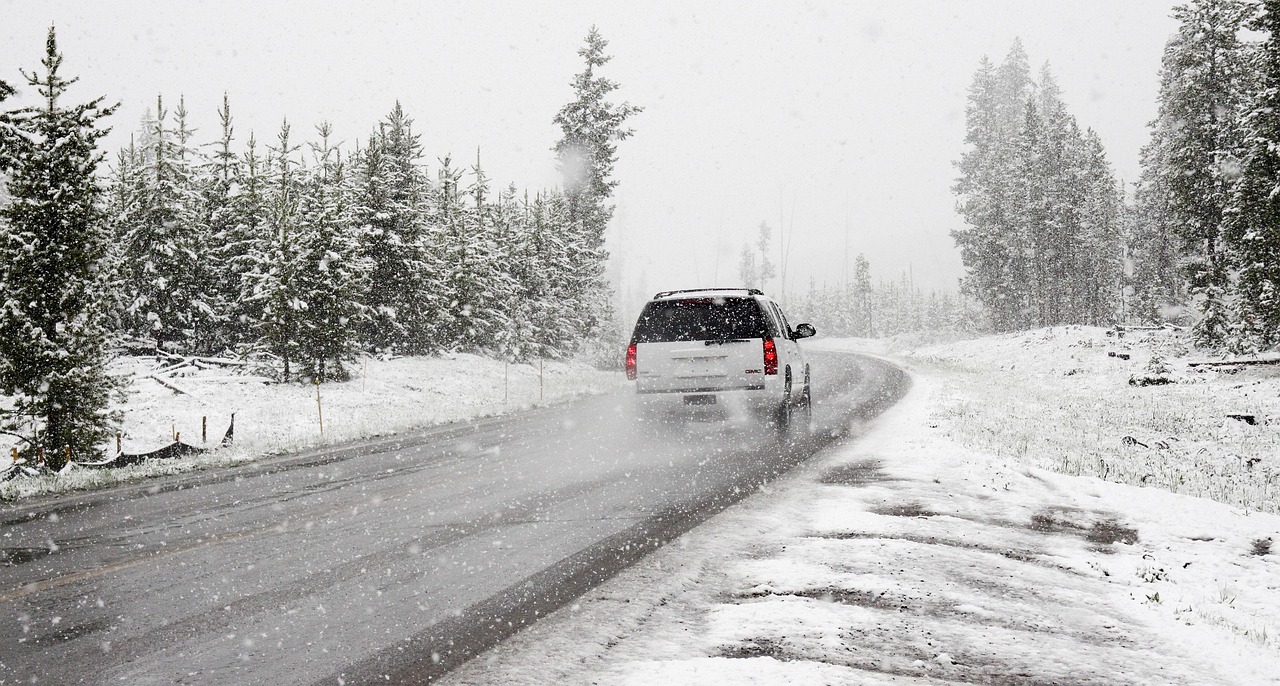
Black Ice, Clear Mind: Techniques That Save Lives
When the road looks dry but acts like glass
You’re heading down 44 St (Hwy 16) on a cold, clear morning. The road looks fine, but your tires suddenly whisper, your steering lightens, and the vehicle drifts toward the curb. That’s black ice—thin, nearly invisible, and common around Lloydminster when temperatures are near freezing, after sun melts snow and the evening refreezes it. Between prairie winds loading the surface with fine snow and shaded intersections along 50 Ave (Hwy 17), it can form in places you least expect. The good news? A few techniques, practiced and ready, make all the difference.
Black ice 101: What it is and where it forms in Lloydminster
Black ice is a thin, transparent layer of glaze ice that bonds to asphalt. You often won’t see it, but your senses will pick up clues:
- Temperature: Riskiest between -7°C and +2°C, especially after a sunny afternoon refreezes at dusk.
- Surface: Roads look darker and slightly glossy; paint lines look muted. At night, your headlights show a dull, even sheen.
- Sound and feel: Tires go quiet; steering feels light or vague.
Local hotspots around Lloydminster:
- Bridges and overpasses on Hwy 16: They lose heat faster and freeze first.
- Intersections and drive-thru exits along 50 Ave and 44 St: Packed snow polishes into ice with traffic.
- Shaded stretches near tree lines and buildings: Around residential curves by Bud Miller All Seasons Park and north-side neighborhoods.
- Rural routes to Kitscoty, Blackfoot, Marwayne, and Lashburn: Wind-blown powder compacts into invisible sheets, especially on east–west roads.
- Industrial approaches and rig roads in the County of Vermilion River: Meltwater from heavy vehicles refreezes at night.
Techniques that could save your life
1) Slow is smart—set a winter pace
On potential black ice, drive as if you have half the traction you think you do. That means dropping 10–20 km/h below posted limits, especially approaching bridge decks and shaded intersections. Give yourself a 7–10 second following distance—count the seconds as the lead vehicle passes a sign or light standard.
2) Hands, eyes, and smooth inputs
- Look where you want to go. Your hands follow your eyes. Keep your gaze far ahead down 44 St or along Hwy 17, not at the hazard.
- Steer gently. Sudden movements break traction. Think pressure, not jerks.
- Feather the throttle. Ease on power; avoid sudden lifts that can upset balance.
3) Braking on black ice: ABS is your friend
With anti-lock brakes (ABS), the right move in an emergency is stomp and steer—firm brake pressure you hold while you steer around the hazard. You’ll feel the pedal pulse; that’s normal. Without ABS (older trucks or classics), threshold brake: press until the wheels nearly lock, then ease slightly. Practice in an empty, icy lot if you can do so safely.
4) If you skid: how to recover
- Rear-wheel skid (oversteer): Look where you want to go and steer in the direction the rear is sliding. As the vehicle straightens, unwind the wheel smoothly. Avoid overcorrection.
- Front-wheel skid (understeer): Ease off the gas, straighten the wheels, and let them roll to regain grip. Then steer gently toward your line.
- All-wheel drive isn’t a force field. AWD helps you go, not stop. On black ice, everyone needs more space.
5) Cruise control: off
On icy stretches of Hwy 16/17, switch cruise off. If the system adds throttle on a slick patch, you could spin before you can react.
6) Use gears to your advantage
- Automatics: Select a lower gear on downhills to use engine braking; it’s smoother than brakes on ice.
- Manuals: Start in second gear to reduce wheelspin when pulling away from frosty lights downtown.
- EVs and hybrids: Dial regenerative braking to a lower setting on icy days to prevent abrupt deceleration that can upset balance mid-corner.
7) Traction control: when to keep it on (and off)
Leave traction control on while driving—it prevents wheelspin that leads to sideways slides. If you’re stuck in a snowed-in alley near College Park, briefly disable it to rock the vehicle out, then turn it back on before moving off.
8) Avoid the crown and shiny ruts
Ice builds in polished wheel tracks. If the lane is wide and it’s safe, position slightly left or right of the ruts for better grip. Watch for windrows and deep slush near centerlines after plows pass on 50 Ave.
9) Night driving: see the sheen
- Use low beams in falling snow or fog to reduce glare and spot that telltale dark gloss.
- Keep headlights—and your backup camera—clean; carry a microfiber cloth and a small spray de-icer.
- Polarized sunglasses can help you spot sheen during bright winter days.
Prepare your vehicle for Lloydminster winters
Winter tires: your real safety feature
On black ice and hard-packed snow, winter tires with the 3-peak mountain snowflake (3PMSF) symbol bite far better than all-seasons—especially below 7°C. In Alberta, studs are legal; studded winters can help in rural commutes toward Marwayne or Dewberry where roads can stay glassy for days. Make sure:
- Tread depth is healthy (6 mm+ ideally for winters).
- Pressures are checked weekly; you lose roughly 1 psi for every 5–6°C drop.
- You rotate seasonally; front-heavy vehicles will chew the fronts.
Brakes, battery, and fluids
- Brakes: If you feel pulsing beyond ABS activation, or squeals, get them checked. Long stopping distances can be a pad/rotor issue, not just the road.
- Battery: Cold kills weak batteries. If it’s 4–5 years old, test or replace before the first -25°C snap.
- Washer fluid: Use -40°C fluid; refill often. Keep spare jugs in the trunk.
- Wipers: Winter blades resist ice buildup. Replace yearly.
- Block heater: Use it below -15°C for easier starts and faster defrosts.
For pickups and SUVs
- Add weight over the drive axle in RWD pickups: secured sandbags or a purpose-made ballast improve traction.
- 4x4/AWD: Use the right mode; part-time 4x4 on dry pavement can bind, but on slick side streets, 4H can help you pull away with control.
- High center of gravity: Slow down more in crosswinds west of town; gusts plus ice can shift the vehicle mid-lane.
EV-specific notes
- Precondition the battery and cabin while plugged in; it saves range and clears windows sooner.
- Consider winter-rated EV tires; instant torque can overwhelm cold rubber.
- Use a gentler regen setting on black ice to avoid abrupt weight transfer.
Plan the drive like a pro
- Check 511 Alberta for Hwy 16/17 conditions before early commutes or trips to Edmonton or North Battleford.
- Build time buffers. Leave 10–15 minutes early for school runs near the Servus Sports Centre or Costco area; rushing invites mistakes.
- Choose safer routes. Prefer well-plowed arterials over short-cuts through shaded residentials after a storm.
- Watch microclimates. Open prairie west of town ices faster than in-town corridors protected by buildings.
What to do after a slide or minor incident
- Don’t slam the brakes if you’re already sliding; get the wheels rolling and pointed where you want to go.
- Pull over safely to a clear shoulder or lot to collect yourself. Check tires for damage and clear packed ice from wheel wells.
- If you’re stuck: Clear snow from in front of the drive wheels, use a traction mat or kitty litter, straighten the wheels, and gently rock out.
- If you go into the ditch outside town: Stay with the vehicle, run the engine 10 minutes per hour for heat, keep the exhaust clear of snow, and call for help.
Your winter safety kit for Lloydminster
- Foldable shovel and traction mats
- Sand or kitty litter
- Battery booster pack and cables
- Warm blanket, toque, gloves, hand warmers
- High-visibility vest and road flares/LED beacons
- Phone charger and power bank
- Ice scraper, brush, and de-icer spray
- First-aid kit and bottled water
- Non-perishable snacks
Buying a winter-ready vehicle for black ice
If your current ride white-knuckles you every time the forecast says “freezing drizzle,” it might be time to upgrade. Here’s what matters most on our roads:
- Electronic stability control (ESC): Standard on most vehicles since 2012; it’s a lifesaver on black ice.
- ABS and modern driver aids: Forward collision warning and automatic emergency braking are helpful, though they rely on sensors—keep them clean.
- Winter package: Heated seats/steering wheel, remote start, heated mirrors, and a block heater. They’re comfort features that also keep you focused and clear of frost.
- Good weight balance and predictable handling: Test drive on a cold day if possible.
Plenty of Lloydminster folks cross-shop broader Alberta listings in winter. It’s common to scan new and used cars Edmonton to find specific trims with winter packages or to compare pricing against auto sales Edmonton specials. When you expand your search radius, an open car marketplace can save time by pulling listings from dealers and private sellers together.
Shopping smart, locally and beyond
At Driving With Us Auto Market, we help buyers across Alberta—including Lloydminster—compare options easily. Our open marketplace connects buyers and sellers, whether you’re browsing dealer inventory or private seller cars Alberta listings. We also support vehicle financing Canada for both dealership purchases and private-sale transactions, so you can secure the right car without sacrificing winter safety features.
If you’re filtering through a car marketplace Alberta or even a vehicle marketplace Edmonton, use these car buying tips:
- Prioritize safety tech and tires over drivetrain hype. AWD helps, but winter tires matter more.
- Inspect tires on any used vehicle. Budget for new winter tires if the set is worn.
- Check for rust and underbody protection, especially wheel wells and brake lines—salt and slush pool there.
- Ask for service records showing recent car maintenance: battery test, brake service, fluids, wipers.
- Test electronics like ABS/ESC warning lights, remote start, and heated mirrors. Faults show up when it’s cold.
Selling your current vehicle
If you’re selling your car before winter truly sets in, clean the undercarriage, show recent service, and photograph tires and tread depth—buyers care. Our marketplace makes it simple to list with private seller tips built into the process so Lloydminster sellers get seen by shoppers from here to Edmonton.
Maintenance habits that keep you off the tow truck
- Weekly: Tire pressure check, headlight/camera wipe, washer fluid top-up.
- Monthly: Battery test if it’s older, brake inspection, lube door seals with silicone to prevent freezing.
- After storms: Knock packed ice from wheel wells; it can affect steering and braking.
- Before highway trips: Top off fuel to reduce condensation; plan stops along Hwy 16 where lots are plowed and lit.
Common myths—busted
- Myth: “I have AWD; I’m good.”
Truth: AWD helps you get moving; winter tires help you steer and stop. - Myth: “I can pump ABS brakes.”
Truth: Don’t pump ABS. Firm, steady pressure and steer. - Myth: “Black ice is rare.”
Truth: In Lloydminster, freeze–thaw cycles and windblown powder make it common on both city streets and rural grids. - Myth: “Lowering tire pressure gives more grip.”
Truth: Underinflation reduces control and can damage tires. Stick to door-jamb specs.
Local route examples: where to dial in caution
- 50 Ave (Hwy 17) through downtown: Frequent stop-and-go polishes snow into ice at crosswalks—approach gently and leave big gaps.
- 44 St (Hwy 16) westbound: Open stretches collect drifting powder; bridges freeze first at night. Ease off cruise and scan the surface.
- Residential connectors near Bud Miller: Shaded curves stay slick late into the day; be smooth with steering and throttle.
- County roads toward Kitscoty/Marwayne: Expect black ice where wind breaks with tree lines; keep speed conservative and hands light.
Quick-reference checklist before you roll
- Winter tires with good tread and proper pressure
- Washer fluid -40°C, fresh wipers, clear lights and cameras
- Block heater cord and extension ready
- Emergency kit onboard
- Route checked on 511 Alberta; time buffer added
- Cruise control off; stability control on
Final word
Black ice is sneaky, but it’s not unbeatable. With a calmer pace, smooth inputs, and winter-prepped gear, you’ll handle those invisible patches on Lloydminster’s streets and the stretches of Hwy 16/17 with confidence. If you decide it’s time for a safer, winter-ready ride, Driving With Us Auto Market brings Alberta shoppers together—dealers and private sellers alike—so you can compare, finance, and buy in one place with the features that matter when roads turn to glass.
Helpful resources
- Road conditions: 511 Alberta
- City of Lloydminster snow and ice control updates
- Owner’s manual for ABS/ESC and traction control specifics