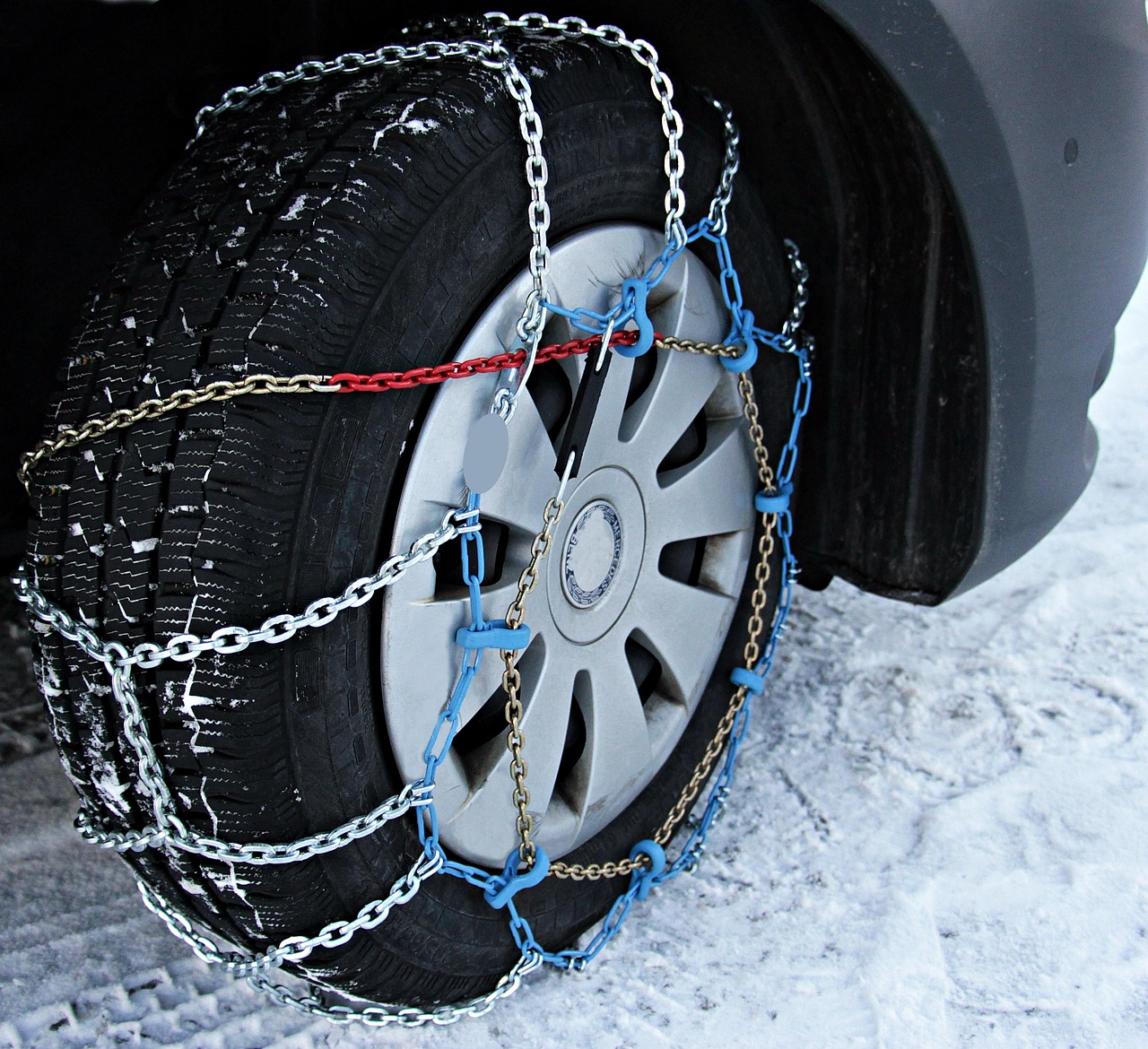
Edmonton Vehicle Maintenance for Harsh Climate
Why Edmonton Drivers Need a Different Maintenance Schedule
Edmonton isn’t just cold—it’s a testing ground for vehicles. One week you’re facing -35°C windchill and black ice, the next you’re dodging spring potholes and gravel, and by July you’re loading up for a road trip to Jasper or Calgary. A generic maintenance plan won’t cut it here. You need Edmonton-specific vehicle care that adapts to freeze–thaw cycles, road brine, and prairie dust.
At Driving With Us, a trusted car dealership in Alberta focused on quality used cars Edmonton buyers can rely on, we see what local conditions do to vehicles. The harsh Canadian climate accelerates wear on batteries, tires, brakes, and bodywork. The result: a proactive maintenance schedule saves you money, keeps you safer on Whitemud Drive, the Anthony Henday, and Yellowhead Trail, and protects your vehicle’s value.
Local realities that shape your plan
- Deep cold snaps: Extreme cold can reduce a battery’s available power dramatically and thicken fluids.
- Road brine and sand: Edmonton and Alberta highways use anti-icing brines and abrasives. They help grip but speed up corrosion and chip windshields.
- Freeze–thaw potholes: Spring can knock your alignment out in a single morning on 97 Street or the QEII.
- Wildfire smoke and dust: Summer air quality can clog cabin filters, especially on rural drives near Leduc, Beaumont, or Spruce Grove.
The Edmonton-Specific Maintenance Schedule
1) Before the first frost (September–October)
Get ahead of the cold. A one-hour fall check can prevent a winter breakdown.
- Battery test: Have the battery load-tested and charging system inspected. Consider a battery with adequate cold cranking amps (CCA) for Edmonton winters or add a battery blanket if you park outside.
- Block heater: Confirm your block heater works and inspect the cord for cracks. Use a timer so it activates 2–3 hours before your morning start to save power.
- Oil and filters: Switch to the winter-appropriate oil viscosity recommended by your owner’s manual (often 0W-20/0W-30 for modern engines). Replace engine air and cabin filters if they’re dirty—winter airflow matters for defrosting.
- Coolant strength: Verify freeze protection to at least -40°C with a tester. Top up with the correct type; never mix incompatible coolants.
- Winter tires ready: Choose tires with the three-peak mountain snowflake (3PMSF) symbol. Alberta allows studded tires year-round, but ensure they make sense for your driving mix.
- Wipers and washer fluid: Install dedicated winter wiper blades and fill with -40°C washer fluid. Keep a spare jug in the trunk.
- Rust prevention: Apply a quality rust inhibitor or oil spray, paying attention to seams, rockers, and underbody.
- Emergency kit: Add a shovel, traction aids or kitty litter, booster cables, blanket, toque and gloves, energy bars, headlamp, and a phone power bank. Include a second jug of winter washer fluid for highway slush on Highway 16.
2) Deep winter (November–March)
When temperatures dip and roads turn slick, consistent care keeps you moving.
- Tire pressure: Expect pressure to drop roughly 1 psi for every 5–6°C change. Check and top up weekly when temps swing.
- Wheel torque: After switching to winter tires, re-torque wheel nuts after 50–100 km to ensure they seat properly.
- Undercarriage wash: Rinse the underbody and wheel arches weekly during heavy brining to slow corrosion. Use touchless washes if you can, and dry seals after to avoid freezing doors.
- Door seals and locks: Treat door and trunk seals with a silicone-safe protectant. Keep lock de-icer in your home, not the glove box.
- Gentle warm-ups: Modern engines need roughly 30–60 seconds of idling. Drive gently to bring drivetrain components to temperature faster and reduce fuel use.
- Brake care after washes: After a wash, make a few soft brake applications to dry the rotors so they don’t freeze overnight.
- Visibility checks: Clear snow from the entire vehicle, including headlights, taillights, and roof. Fogged headlight lenses? Consider a restoration kit or replacement housings for brighter winter visibility.
3) Spring thaw and pothole season (April–May)
As Edmonton warms and roads deteriorate, focus on alignment, suspension, and de-salting.
- Full underbody clean: Do a thorough wash to remove brine and sand from seams, subframes, and brake components.
- Alignment and suspension check: If your steering wheel is off-center or the car pulls after a pothole hit on St. Albert Trail, get an alignment and inspect control arms, tie rods, and shocks.
- Brake service: Have caliper slide pins cleaned and lubricated and check rotor thickness. Corrosion traces from winter are common.
- Switch to all-season/summer tires: When overnight lows stay above +7°C, swap off winter tires to reduce wear and improve braking on dry pavement.
- Windshield chips: Spring gravel means chips. Repair promptly to prevent cracks; many insurers cover chip repair.
4) Summer heat and road-trip prep (June–August)
Edmonton summers are perfect for camping runs to Jasper or weekends in Calgary, but heat and dust add their own strain.
- AC performance check: If cooling is weak, have pressures and cabin filter checked. A clogged filter hurts airflow, especially during wildfire smoke days.
- Cooling system: Inspect hoses, belts, and coolant level before long trips. Heat exposes weak components.
- Tire health for highway speeds: Check tread depth and sidewalls for bulges or cracking. Set pressures to the placard value when cold for best fuel economy and safety.
- Brake inspection before mountain travel: Descents on Highway 93 require strong brakes. If you feel vibration or hear squeals, service before you go.
- Road-trip kit: Add a basic tool roll, tire inflator, tire plug kit, and an extra jug of washer fluid for bug season.
5) The 10-minute monthly driveway check
- Fluids: Engine oil, coolant overflow bottle, brake fluid level, and windshield washer fluid.
- Lights: Headlights (both beams), turn signals, brake lights, and license plate lights—crucial for winter visibility.
- Tires: Pressure and uneven wear; look for embedded gravel or nails after construction zones around Yellowhead upgrades.
- Battery terminals: Clean, tight, corrosion-free connections.
- Interior air: If the cabin smells musty or defrost is weak, replace the cabin filter—consider an activated carbon filter during smoke season.
Fluids and Components That Need Extra Attention Here
Oil and viscosity for Alberta winters
Cold starts are where oil choice matters most. Follow your owner’s manual for winter-weight oils—common modern grades are 0W-20 or 0W-30. The 0W rating flows faster during -30°C starts, reducing wear. If your vehicle sees heavy towing or frequent idling, consider a severe-service interval rather than the maximum oil-life monitor range.
Coolant, transmission, and AWD fluids
- Coolant: Maintain a 50/50 mix unless your manufacturer specifies otherwise. Test freeze protection in the fall.
- Transmission fluid: Extreme cold thickens ATF. If you notice harsh shifts in winter, a fluid service may help. Stick to OEM-spec fluids.
- AWD/4x4 differentials and transfer case: Edmonton’s stop-and-go plus winter traction control cycles work these hard. Inspect and service per the severe-duty schedule, often every 50,000–80,000 km.
- Brake fluid: Hygroscopic fluid absorbs moisture year-round. Replace every 2–3 years to maintain pedal feel and protect ABS components.
Battery and charging system
Cold can slash a battery’s effective output. If your battery is 4–5 years old, get a test before winter. Keep terminals clean, and ensure your alternator and belts are healthy. If you park outside at home or work near downtown or Whyte Ave, use your block heater in cold snaps to ease starts.
Tires and wheels
- Winter tires: Look for the 3PMSF symbol, not just M+S. Edmonton side streets and wind-blown rural routes toward Fort Saskatchewan demand real winter traction.
- Studded tires: Legal year-round in Alberta. They help on ice but can increase road noise. Consider your mix of city vs. rural driving.
- TPMS and pressure: Check pressures monthly and after big temperature swings. Underinflation hurts braking and can trigger TPMS warnings on frigid mornings.
- Rotation and alignment: Rotate every 8,000–10,000 km. After spring pothole encounters on 50 Street, schedule an alignment check.
Windshield, wipers, and visibility
- Washer fluid: Use -40°C fluid in winter, bug-wash in summer.
- Wipers: Winter blades resist icing; replace at the first sign of streaking.
- Defrost performance: A clogged cabin filter or low coolant can slow defrost. Verify both before winter.
- Chips and cracks: Gravel from sanded roads causes chips that quickly spread in freeze–thaw cycles. Repair promptly.
Underbody, rust prevention, and car washes
Brine and slush accumulate in rockers, subframes, and behind splash shields. A touchless underbody wash every 1–2 weeks during heavy brining helps. Consider mud flaps and paint protection film on leading edges to reduce chips. Annual rust protection is smart for vehicles that see the Henday daily.
Driving Tips That Protect Your Vehicle
Block heater and cold-start best practices
- Use a timer: 2–3 hours before your morning departure is typically enough.
- Check cords: Ensure the extension cord is heavy-duty, outdoor-rated, and in good condition.
- Start smart: After 30–60 seconds of idling, drive gently; the whole vehicle, not just the engine, needs to warm up.
Potholes, alignment, and wheel protection
- Spot and avoid: Leave extra following distance to see potholes on Gateway Boulevard and Whitemud.
- After a hit: If you feel vibration or the steering wheel goes off-center, get an alignment and wheel balance check.
- Protect your rims: Slightly higher tire pressures (within the placard range) can reduce pinch damage in spring.
Braking on brine and gravel
- Following distance: Increase space; ABS and traction control work overtime on mixed surfaces.
- Post-storm rinse: Wash brakes and underbody after storms to remove corrosive films.
- Parking brake tips: In deep cold after a wash, avoid setting a manual parking brake if components are wet and could freeze. For electronic brakes, engage and release once after short drive to dry components.
Budgeting, Scheduling, and Smart Planning
Keeping a vehicle reliable in Alberta is about timing and budgeting as much as wrenches. Here’s a realistic Edmonton plan to protect your wallet and your ride.
- Annual maintenance budget: Set aside 2–3% of your vehicle’s value for routine care. Winter tires, battery replacement at 4–5 years, and an annual rust treatment are the big-ticket items to plan for.
- Combine services: Pair your seasonal tire change with an inspection. Catching a weak battery in October is cheaper than a tow in January.
- Track with mileage and seasons: Follow severe-service intervals if you do short trips, idle in cold, or drive gravel roads near Spruce Grove and Stony Plain.
- Vehicle financing Canada considerations: If you’re upgrading, factor the cost of a winter tire set, block heater, and rustproofing into your budget. It’s smart to include these essentials when you plan payments.
Car Buying Tips for Edmonton Conditions
If you’re shopping used cars in Edmonton, pick a vehicle that’s already suited to our climate and roads. Ask about:
- Winter readiness: Block heater presence, remote start compatibility, and battery age.
- AWD/4x4 systems: Service history on differentials and transfer case.
- Undercar inspections: Signs of corrosion from brine and gravel rash on brake lines or rockers.
- Windshield and lighting: Chips, cracks, headlight clarity, and the cost to restore or replace.
- Tire packages: Availability of a second set of wheels with winter tires to save changeover costs.
At Driving With Us, we understand Edmonton’s roads because we drive them too. We’re happy to walk you through winter-ready features and provide a locally focused maintenance checklist with every purchase conversation. If you need referrals, we can connect you with reputable local shops for inspections and seasonal services. That’s part of why shoppers choose us for auto sales Edmonton trusts.
Real-World Scenarios and How to Handle Them
- -32°C morning in Mill Woods: Your car cranks slowly. Use the block heater overnight during extreme cold and schedule a battery test that day. Consider a higher-CCA battery if you park outside often.
- Whiteout on the QEII to Calgary: Slush covers headlights and sensors. Pull into a safe area, clear lights and cameras, top up washer fluid, and slow down—adaptive safety features can be impaired by buildup.
- Spring crater on 118 Avenue: You hit a pothole and now the steering wheel sits crooked. Get a same-week alignment and suspension check to prevent premature tire wear.
- Summer smoke week: Cabin smells stale and the AC struggles. Replace the cabin filter with an activated carbon filter; check condenser fins for debris.
- After a touchless wash at -20°C: Doors freeze shut. Wipe seals dry when possible and treat them with silicone in the evening. Park in a garage or face the sun for thawing.
How Driving With Us Helps Edmonton Drivers
Driving With Us is a trusted used car dealership serving Edmonton and surrounding areas. Our team focuses on vehicles that make sense for Alberta weather and roads, and we’re committed to sharing clear, practical guidance—not just selling cars. Whether you’re comparing AWD options, budgeting for winter tires, or exploring vehicle financing Canada programs that fit your life, we’re here with advice tailored to Edmonton. Ask us about:
- Edmonton-ready features: From block heaters to heated seats and all-weather floor liners.
- Maintenance planning: A personalized seasonal maintenance checklist for your vehicle and driving habits.
- Trusted service referrals: Connections to reputable local shops for alignments, fluid services, and rust protection.
When you shop with Driving With Us, you get more than a vehicle—you get a partner who understands the realities of Alberta driving.
Quick Reference: Edmonton Maintenance Checklist
Every month
- Check tire pressure and tread; adjust for temperature swings.
- Top up -40°C washer fluid and inspect wipers.
- Check oil level and watch for leaks.
- Test all exterior lights.
Every season
- Fall: Battery load test, coolant freeze protection, switch to winter oil weight, mount winter tires, apply rust protection.
- Winter: Weekly underbody rinse, treat door seals, re-torque wheels, keep an emergency kit in the trunk.
- Spring: Full underbody wash, alignment and suspension check, brake service, repair windshield chips.
- Summer: AC performance check, cabin filter (smoke season), pre-trip inspection of tires, brakes, and cooling system.
Annually or as needed (severe service)
- Brake fluid flush every 2–3 years.
- Transmission service per manufacturer severe schedule.
- AWD/4x4 differential and transfer case fluids per severe schedule.
- Battery test before winter; replace around year 4–5 if weak.
- Rust protection application.
With this Edmonton-focused schedule, your vehicle will handle the worst of winter, bounce back in spring, and run strong for summer adventures. For car maintenance guidance, car buying tips, and a great selection of used cars Edmonton drivers trust, visit Driving With Us—your go-to car dealership Alberta customers recommend for honest advice and local expertise.