Edmonton Vehicle Maintenance Schedule for Harsh Climate
Drive-Ready in YEG: A Maintenance Schedule Built for Edmonton
If you’ve spent a January morning trying to start your car at -30°C, you know Edmonton demands more from your vehicle. Between long cold snaps, gravel and sand on side streets, and spring potholes that show up overnight, vehicle care here needs a plan. This guide from Driving With Us — a trusted used car dealership serving Edmonton and surrounding areas — gives you a clear, Edmonton-specific maintenance schedule. We’ll help you cut costs, prevent breakdowns, and keep your car reliable whether you’re commuting the Henday, road-tripping to Calgary, or exploring Alberta’s backroads.
The Edmonton Maintenance Calendar
Use this simple schedule to match our seasons, temperatures, and road conditions.
Every Month (or every 1,500 km)
- Tire pressure: Cold air drops pressure (about 1 psi for every 5°C). In deep freezes, check weekly. Underinflation kills fuel economy and traction.
- Windshield washer fluid: Top up with -40°C or -45°C rated fluid. Summer blends will freeze in an Edmonton January.
- Lights and wipers: Salt film reduces visibility. Clean headlights, replace streaking blades, and consider winter blades to handle ice.
- Underbody rinse: Use touchless washes with undercarriage sprays to remove salt, sand, and calcium chloride. This is your best rust prevention in winter.
- Battery health: Slow cranks? Dim lights at idle? Edmonton cold punishes weak batteries. Test voltage if you notice changes.
Every 3 Months / 5,000–8,000 km
- Oil and filter change: Use high-quality synthetic. For many vehicles, 0W-20 or 5W-30 synthetic meets cold-start needs; confirm your owner’s manual.
- Brake inspection: Road salt causes surface rust on rotors and sticky caliper pins. Catch issues early to avoid uneven wear or pulsing.
- Tire rotation and visual alignment check: Alberta’s potholes and ruts can knock alignment out. Watch for steering pull or uneven wear.
- Fluids quick check: Coolant, brake fluid, power steering (if equipped), and transmission fluid levels and condition.
- Cabin air filter: Replace if airflow is weak — wildfire smoke and dust from gravel yards clog filters fast.
Fall Prep (September–November)
Prepare before the first big freeze or early snow on the QEII.
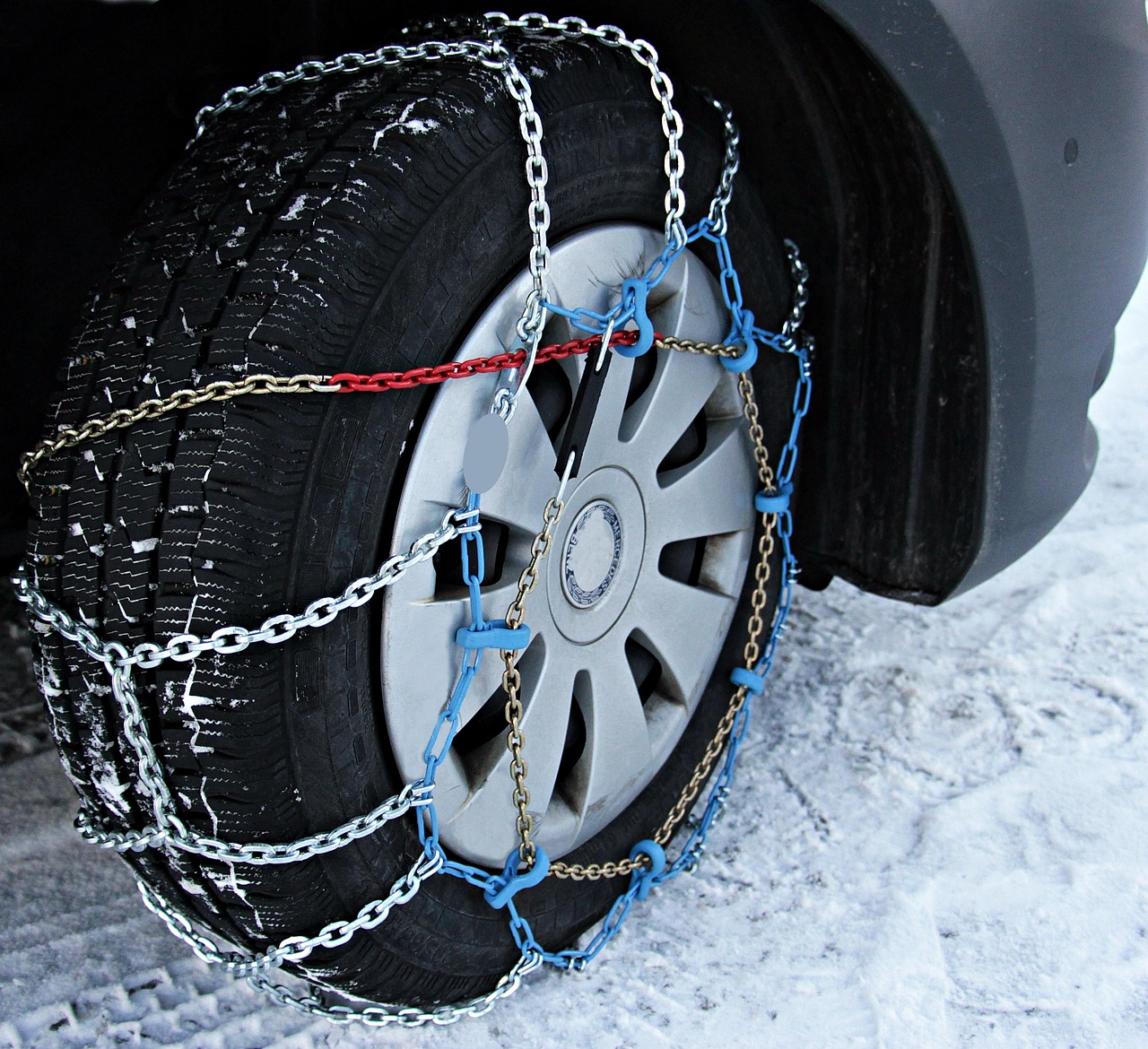
- Winter tires on: Install when daytime highs drop to 7°C. Studded tires are legal year-round in Alberta and help on rural and icy roads. Torque lugs after 100 km.
- Battery test: Edmonton cold can cut battery capacity in half. If it’s 4+ years old or marginal, replace before winter.
- Coolant/antifreeze strength: Confirm freeze protection to at least -40°C. A 50/50 mix is typical; 60/40 may be needed in extreme cold.
- Block heater and cords: Inspect cord, plug, and element. Use a heavy-duty, outdoor-rated extension cord and a timer to run 2–3 hours before morning starts.
- All-weather mats and trunk kit: Add rubber mats, a snow brush, booster cables, a tow strap, gloves, and a warm blanket.
- Wipers and fluid: Install winter wipers and fill with -40°C washer fluid.
Deep Winter (December–February)
- Weekly tire checks: Maintain pressures; traction and ABS performance depend on it.
- Brake cleaning: Salt can seize sliders; ask for caliper pin lubrication during service.
- Underbody wash: After warm spells or chinooks, wash off accumulated brine and slush.
- Short-trip strategy: Combine errands. Frequent short trips in Edmonton cold cause fuel dilution in oil and moisture buildup in exhaust.
- Start-up routine: Avoid long idling; 30–60 seconds is enough. Drive gently until the temperature gauge rises.
Spring Thaw (March–May)
- Pothole inspection: Check alignment and suspension after the freeze-thaw cycle. If the steering wheel is crooked or the car wanders on the Whitemud, book an alignment.
- Brake service: Remove winter rust, measure pad thickness, and check rear parking brakes for corrosion.
- Comprehensive wash and wax: Focus on wheel wells, rocker panels, and underbody. Consider a spring rust inspection.
- Swap to all-seasons (if applicable): When overnight lows stay consistently above freezing. Store winter tires in a cool, dark place.
- Windshield care: Repair chips quickly; gravel on Edmonton roads makes cracks spread fast during temperature swings.
Summer Road-Trip Readiness (June–August)
- A/C performance test: If it’s weak, check refrigerant and cabin filter; wildfire smoke can clog filters quickly.
- Cooling system check: Long grades to Jasper or Banff stress cooling systems. Inspect hoses, radiator fins, and coolant level.
- Tire rotation and balance: Highway trips on the QEII reveal imbalances. Balance ensures stable, quiet cruising.
- Brake fluid test: Replace every 2–3 years; moisture causes internal corrosion and reduces braking performance.
- Transmission service (as required): If you tow a camper or boat to Alberta lakes, follow severe-service intervals.
Fluids and Parts That Perform in Canadian Cold
Engine Oil
Use high-quality synthetic oil that meets your manufacturer’s spec. In Edmonton, a lower winter weight (e.g., 0W-20 or 0W-30) improves cold-start lubrication. If you do short trips or lots of idling, shorten change intervals to 5,000–8,000 km.
Coolant/Antifreeze
Confirm freeze protection to at least -40°C. Have the mixture tested each fall and verify your vehicle’s specific coolant type (don’t mix orange, pink, and green indiscriminately).
Washer Fluid
Use -40°C or -45°C winter fluid. Keep a spare jug in the trunk; highway spray on the Henday will empty a reservoir fast.
Batteries and Block Heaters
- Battery: Cold cranking amps matter in Edmonton. Test annually after year three; many Alberta batteries last 4–5 years.
- Block heater: A timer saves power; 2–3 hours pre-start is enough for most vehicles. Consider a battery blanket if you park outside.
Tires, Alignment, and Traction Strategy for Alberta
Trust your tires more than any other safety system in winter.
- Winter tires: Install when temps hit 7°C. Studded tires are legal year-round in Alberta and help on icy, rural highways.
- Pressure: Set according to the door placard, then recheck when temperatures plunge.
- Rotation: Every 8,000–10,000 km to even out shoulder wear from rutted city streets.
- Alignment: If you hit a pothole hard or the car drifts, book an alignment to protect tires and improve winter control.
Rust Prevention for Edmonton Roads
Sanding and anti-icing treatments help traction but accelerate corrosion.
- Underbody washes: Make them routine in winter and at spring thaw.
- Protective coatings: Consider annual oil, wax, or electronic rust protection. Focus on pinch welds, frame rails, and the rear subframe.
- Door drains: Clear debris so meltwater can escape. Check rocker panel drain holes too.
- Fast hardware checks: Lube hood latches, door seals, and caliper pins to prevent winter seizure.
Visibility and Glass Care
- Chip repair: Fix immediately. A $40 repair can prevent a $400 windshield replacement after a cold snap.
- Defrost discipline: Use A/C and heat to dry cabin air; moisture fogs glass when you track snow inside.
- Snow removal: Clear the roof and hood; blowing snow reduces visibility and can draw police attention.
EV, Hybrid, and Diesel Tips for Edmonton
EVs and Hybrids
- Preconditioning: Warm the cabin and battery while plugged in to preserve range.
- Heat pumps and seat heaters: Use seat and wheel heaters for comfort with less energy draw.
- Charging: Level 2 at home is a game-changer in winter; public DC fast charging can be slower at -20°C.
- Tires: Winter EV tires improve grip without a huge range penalty.
Diesel Owners
- Winterized fuel: Use local winter diesel and consider anti-gel additives during cold snaps.
- Glow plugs and block heater: Ensure both are working before December.
- Fuel filters: Replace on schedule; water and wax crystals cause no-starts in extreme cold.
Budgeting and Vehicle Financing for Maintenance
Planned maintenance is cheaper than repairs. Build a seasonal service fund or include protection plans with your purchase. As a car dealership in Alberta, Driving With Us can help structure vehicle financing in Canada to include winter tires, extended warranties, and service packages where available. A small monthly addition can cover big seasonal expenses (battery, tires, brakes) and protect your budget.
Real-World Edmonton Scenarios
1) The Terwillegar-to-Downtown Commuter
You park outside overnight and hit the Whitemud before sunrise. Set a block-heater timer for 5:00 AM, check tire pressures weekly, and wash the underbody after warm spells. Switch to winter wipers and bring extra -40°C washer fluid. If your steering wheel starts to sit off-centre after spring potholes, book an alignment.
2) Weekend Calgary Runs on the QEII
Highway slush and spray empty washer tanks quickly. Before leaving, top up fluid, torque winter lugs, and check tread depth. Keep a booster pack for cold restarts at roadside stops. If you notice vibration at 110 km/h, get a balance and rotate the tires.
3) The Contractor’s 4x4 in Fort Saskatchewan
Frequent gravel and jobsite mud mean more frequent air and cabin filter checks. Lube door latches and tailgate mechanisms to prevent winter freeze-ups. Follow severe-service schedules for transmission and differentials if you tow or haul.
Quick Edmonton Maintenance Checklist
- Install winter tires at 7°C; studs are legal in Alberta.
- Use -40°C washer fluid and winter wipers.
- Test battery each fall; replace at 4–5 years.
- Use synthetic oil and shorten intervals for short trips.
- Wash the underbody regularly to fight rust.
- Inspect brakes and lube caliper pins in winter.
- Check alignment after pothole season.
- Repair windshield chips immediately.
- Keep a winter kit: cables, brush, gloves, blanket.
Car Buying Tips That Fit Edmonton’s Climate
If you’re shopping used cars in Edmonton, consider:
- Block heater: A must-have for outdoor parking.
- Tire package: Budget for a dedicated set of winter tires and wheels.
- Service history: Look for regular oil changes and evidence of brake and coolant maintenance.
- Rust inspection: Check rocker panels, wheel arches, and subframes.
- Windshield condition: Chips and cracks are common; factor replacements into price.
At Driving With Us, we back our inventory with thorough inspections, clear history reports, and guidance on Edmonton-ready accessories. Whether you’re comparing SUVs for winter traction or seeking budget-friendly vehicle financing in Canada, we’re here to help.
FAQs: Edmonton Vehicle Care
Are studded tires legal in Alberta?
Yes. Studded tires are legal for passenger vehicles in Alberta and can be used year-round. Most drivers install them in late fall and remove them in spring to reduce road wear and noise.
How long should I idle in winter?
About 30–60 seconds is enough for oil circulation. Drive gently until the engine warms. Long idling wastes fuel and increases moisture in the exhaust and oil.
Do I really need a block heater in Edmonton?
If you park outside, yes. It eases cold starts, reduces engine wear, and improves cabin heat sooner. Use a timer for 2–3 hours before your morning start.
How often should I wash my car in winter?
Every 1–2 weeks, focusing on the undercarriage and wheel wells to reduce corrosion from salt and calcium chloride.
What tire pressure should I run in extreme cold?
Use the door placard as your baseline and recheck during deep freezes. Pressure drops roughly 1 psi for every 5°C fall in temperature.
Why Choose Driving With Us
As a local car dealership in Alberta, Driving With Us understands how our climate affects your vehicle. We help Edmonton families and workers find reliable cars, SUVs, and trucks that are ready for winter, and we can connect you with trusted service partners for seasonal maintenance. From auto sales in Edmonton to practical car buying tips and long-term vehicle care plans, we’re here to make ownership simple and affordable.
Looking for a winter-ready ride or need advice on timing your next service? Contact Driving With Us today. We’ll help you build a maintenance schedule that suits your driving, your budget, and Alberta’s rugged weather.