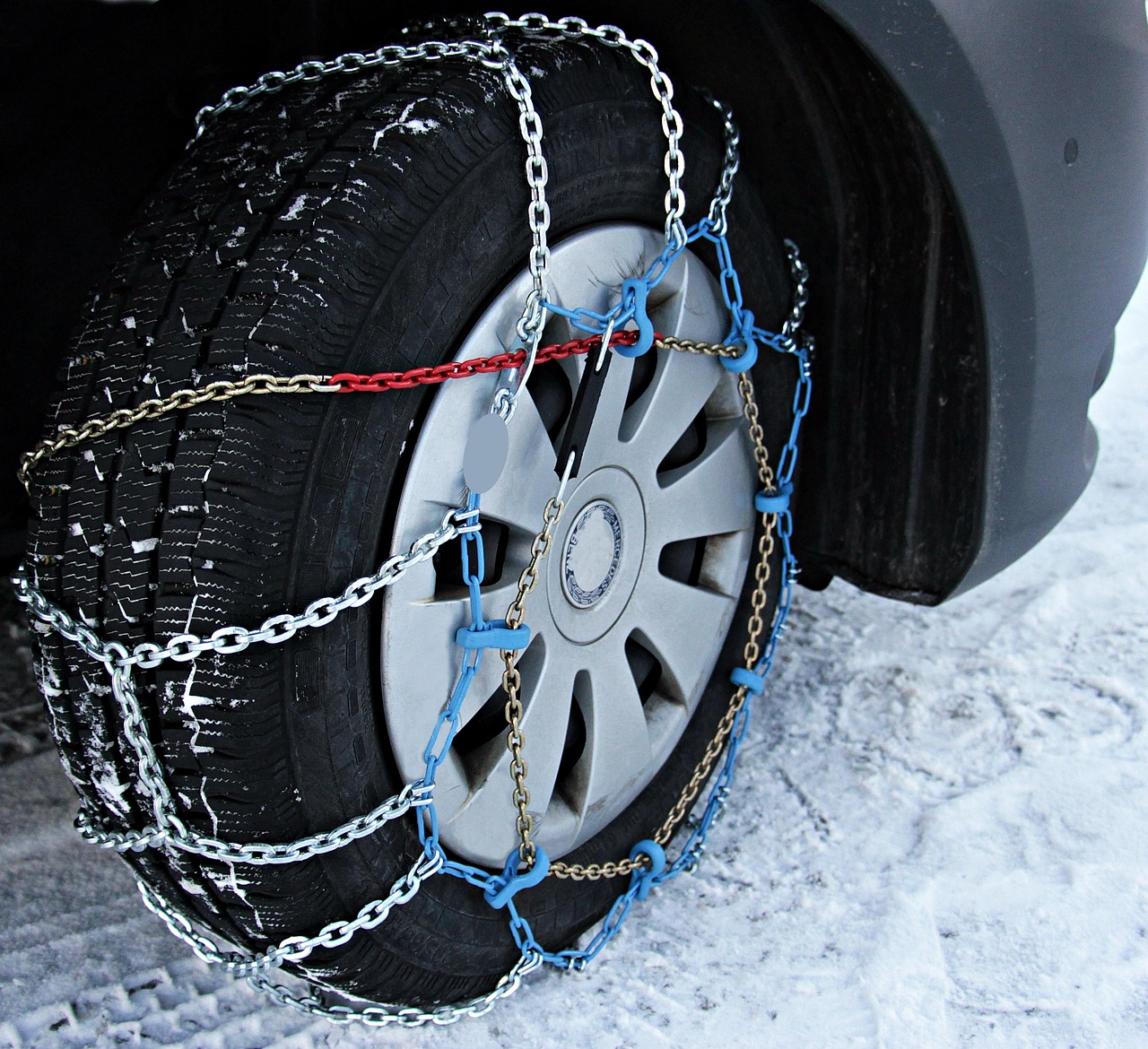
Edmonton Winter Driving Tips for Safer Roads
Winter Driving Safety Tips for Edmonton Roads
Edmonton winters bring deep cold, blowing snow, and fast-changing conditions that test even seasoned drivers. If you live in Edmonton, Sherwood Park, St. Albert, Leduc, Fort Saskatchewan, or you regularly head down the QEII toward Calgary, you know that safe winter driving is about more than slowing down. It starts with the right preparation, smart technique, and a car that is set up for the job.
As a trusted used car dealership in Alberta, Driving With Us has helped thousands of local drivers get winter-ready vehicles and the knowledge to use them confidently. Below, you will find Edmonton-specific advice, practical checklists, and real-world examples to help you handle the season with less stress and more safety.
Why Edmonton Winter Driving Is Different
Our local conditions are uniquely tough. Expect:
- Deep cold that affects batteries and tire pressure, often below minus 20 Celsius with wind chills lower than minus 30.
- Frequent freeze-thaw cycles that create black ice, especially on bridges and overpasses like Groat Road, Quesnell Bridge, and the Whitemud crossing.
- Blowing and drifting snow in open areas along Anthony Henday Drive, Yellowhead Trail, and the QEII heading toward Red Deer and Calgary.
- Rutted residential streets and windrows after plows pass, plus seasonal parking bans announced by the City of Edmonton.
With these realities, a little planning pays off in a big way.
Prep Your Vehicle Before The First Snow
Great winter driving starts with a vehicle that is ready. A pre-season inspection helps you catch issues before they strand you in the cold.
1) Tires that match Alberta conditions
- Choose tires with the three-peak mountain snowflake symbol. Dedicated winter tires deliver the best grip below 7 Celsius. All-weather tires are a solid compromise if you want year-round convenience, but they are not the same as all-seasons.
- Check tread depth. Aim for at least 6/32 inch for winter driving. Less tread means longer stopping distances on ice and slush.
- Set pressures correctly. Cold snaps can drop tire pressure by about 1 psi for every 5 Celsius. Check monthly and after big temperature swings.
2) Battery and starting system
- Cold reduces battery capacity significantly. If your battery is more than 4 years old, have it load-tested before deep cold hits.
- Inspect terminals for corrosion and ensure your block heater works. Use a simple outlet tester or ask a shop to confirm the cord and element are in good shape.
- A smart plug-in routine helps. Two to three hours on a timer before your morning start is usually enough in typical Edmonton cold snaps.
3) Fluids and visibility
- Fill with winter washer fluid rated to at least minus 40 Celsius. Keep an extra jug in the trunk.
- Use the correct coolant mix and verify there are no leaks. Check your oil and consider the viscosity recommended for cold weather by your manufacturer.
- Install winter wiper blades to cut through slush and sleet. Replace any streaky or chattering blades.
- Clean headlight lenses and ensure your rear lights work. In daytime snow, low beams make you more visible than daylight running lights alone.
4) Heat, defrost, and door care
- Test the defroster, heater fan, and cabin air filter. A clogged filter can slow defogging.
- Lubricate door seals with a silicone-based product to prevent freezing shut. Keep lock de-icer in your coat, not the glovebox.
- Rubber floor liners help contain melted snow and protect carpets from road salt.
5) Emergency kit for Edmonton commutes
- Compact shovel, traction mats or kitty litter, tow strap, booster cables, and a basic tool kit.
- Thermal blanket, extra gloves and toque, hand warmers, and a high-visibility vest.
- Snacks, water in a non-glass container, flashlight with spare batteries, phone charger, and a power bank.
- Reflective triangles or road flares, plus a first-aid kit.
Winter Tires in Alberta: What Locals Need to Know
Alberta does not mandate winter tires, but in our climate they are the single biggest performance upgrade you can make. On icy intersections along 97 Street or Whyte Avenue, a good set of winter tires can cut your stopping distance dramatically compared to all-season tires.
- AWD and 4WD help you go, not stop. Traction control can get you moving through windrows, but only winter-rated tires give you reliable braking and cornering grip on ice.
- Switch when daytime highs stay near 7 Celsius or lower, often late October in Edmonton. Swap back in late April when freeze-thaw ends.
- Consider a second set of winter wheels. It protects your nicer rims from road salt and makes seasonal changes faster.
Day-of-Driving Checklist for Edmonton Roads
- Check 511 Alberta for highway conditions, incidents, and camera feeds: 511 Alberta.
- Review the City of Edmonton snow and ice updates, including any seasonal parking bans: City Snow and Ice Control.
- Clear snow and ice from all windows, mirrors, headlights, taillights, and the roof. A snow sheet sliding off the roof can block your windshield under braking.
- Confirm tire pressures and top up washer fluid. Keep a jug in the cargo area.
- Warm the vehicle briefly. In most cases 30 to 60 seconds of idling is enough before driving gently. Extended idling wastes fuel; smooth driving helps your engine reach operating temperature sooner.
- Plan more time than usual and tell someone your route if you are leaving the city.
Driving Techniques That Work on Edmonton Streets
1) Smooth inputs and longer follow distances
Slow everything down. Keep a 7 to 10 second following gap in snow or on icy roads. Gentle throttle, early braking, and smooth steering help your tires maintain grip on rutted surfaces and polished intersections.
2) Use your ABS correctly
On a slick downhill toward the River Valley or approaching a busy Whitemud interchange, firmly apply the brakes and let ABS pulse. Do not pump the brake pedal. Steer toward your open escape path and look where you want to go.
3) Avoid cruise control on slippery roads
Cruise control can over-accelerate when wheels slip on black ice across bridges or open stretches of the Henday. Stay in full control with your right foot.
4) Take it easy through intersections and lane changes
Polished ice builds up near stop lines. Begin braking well in advance and complete most of your slowing before turning. When changing lanes in slushy ruts on Yellowhead, signal early and move gradually to prevent the vehicle from pulling unexpectedly.
5) Hills, ramps, and overpasses
- Uphill: Build a little momentum before the slope, then hold steady throttle. Stopping mid-hill may leave you stuck.
- Downhill: Enter slower than you think. Use engine braking where appropriate and keep steering inputs minimal.
- Bridges and overpasses: Expect colder surfaces and black ice. Reduce speed before you reach them.
6) Night and low-visibility driving
Shotgun slush and blowing snow can hide lane markings on Terwillegar Drive or Gateway Boulevard. Use low beams in falling snow, and follow reflective markers, not the faint tire tracks that may guide you off the lane.
City vs Highway: Edmonton, QEII, and Beyond
Conditions change quickly when leaving the city. A clear commute in south Edmonton can turn into ground drifting near Nisku and Leduc, and patchy ice past Wetaskiwin on the way to Red Deer and Calgary.
- Watch for crosswinds at open interchanges on Anthony Henday Drive. Sudden gusts can move high-profile vehicles and push you across slush ruts.
- On the QEII, leave extra room behind transport trucks. Their spray can blind you and deposit slush that quickly freezes to your windshield.
- If plows are out, give them space. It is safer and faster overall to follow a plow at a safe distance than to pass into unplowed lanes.
- On Highway 16 heading toward Elk Island or Jasper, expect wildlife near dusk and dawn. Reduce speed and scan the ditches for movement.
What To Do If You Get Stuck or Stranded
Stuck in a windrow or icy rut
- Clear packed snow from around the drive wheels and under the vehicle. A small shovel is invaluable.
- Use traction mats or kitty litter in front of the tires. If you have drive modes, select a snow mode if available.
- Use gentle rocking motions between drive and reverse. Avoid spinning tires at high speed; it can melt ice into glare ice and dig you deeper.
Stranded in extreme cold
- Stay with the vehicle. It offers shelter and is easier for responders to find.
- Keep the exhaust pipe clear of snow before running the engine. Run it periodically for heat and conserve fuel.
- Crack a window slightly for ventilation and display a bright cloth or hazard triangle.
Winter Car Maintenance and Vehicle Care
Routine car maintenance helps prevent small issues from becoming major headaches in minus 25. Build these habits into your winter routine.
- Keep the fuel tank at least half full to prevent condensation and to ensure you have reserve heat on longer trips.
- Wash the vehicle regularly, including an undercarriage rinse, to minimize corrosion from salt and sand. A quick wash after warm spells helps preserve brake lines and suspension components.
- Check wheel alignment after severe pothole hits. Freeze-thaw cycles create potholes that can knock your alignment out, causing uneven tire wear.
- Lubricate door hinges and hood latch. Treat weatherstripping with silicone to prevent sticking.
- Replace a weak battery before the next cold snap. A slow crank on a minus 10 morning often becomes a no-start at minus 25.
- Use a quality ice scraper and snow brush that will not scratch paint. Avoid using hot water to melt ice on glass.
Real-World Edmonton Scenarios and How To Handle Them
Scenario 1: Whiteout on Anthony Henday Drive
The wind picks up near the open fields by the southwest Henday, and visibility drops to a few car lengths. Slow gradually, increase your following distance, and avoid sudden lane changes. If visibility becomes near zero, exit safely at the next opportunity rather than stopping on the shoulder, where you risk being struck.
Scenario 2: Black ice on Whitemud at dusk
A mild afternoon followed by falling evening temperatures creates thin, nearly invisible ice. Reduce speed before bridges and ramps, keep inputs gentle, and leave extra room for the unexpected. If the vehicle begins to slide, look where you want to go and steer smoothly in that direction while keeping steady pressure on the brakes if ABS engages.
Scenario 3: Morning start at minus 30 in north Edmonton
Plug in the block heater for a couple of hours before start, cycle your glow plugs if you drive a diesel, and allow 30 to 60 seconds of warmup. Clear all windows and lights, then drive gently to let fluids circulate. If the engine cranks slowly or the dash lights flicker, have the battery tested promptly.
Scenario 4: Weekend trip from Edmonton to Calgary
Before leaving, review 511 Alberta and weather alerts. Pack an emergency kit, top up fuel, and plan extra time. Expect changing traction past Leduc and near Airdrie due to open crosswinds and drifting snow. Follow plows rather than passing, and watch for black ice on overpasses near city interchanges.
Shopping for a Winter-Ready Vehicle in Edmonton
If you are considering used cars Edmonton buyers trust for winter, look for features that make a real difference in our climate:
- Remote starter with long-range fob or app control, block heater, and battery blanket.
- Heated seats and steering wheel, heated side mirrors, and a quick-clearing defroster.
- All-wheel drive or four-wheel drive with snow mode or selectable drive settings.
- Advanced safety systems such as stability control, blind-spot monitoring, and good LED headlights.
- Room for a full winter tire and wheel set, plus robust all-weather floor liners.
Car buying tips for winter include asking for service records, checking the battery age, verifying the condition of winter tires, and confirming that the block heater works. If you are comparing models, test how quickly the defroster clears fogged glass and whether the backup camera stays usable in slush.
How Driving With Us Helps You Prepare
Driving With Us is a car dealership Alberta drivers count on for straightforward advice and winter-ready vehicles. We serve Edmonton and surrounding communities with:
- Winter-ready inspections on every unit we sell, including battery testing, block heater verification, and fresh winter washer fluid.
- Optional winter tire and wheel packages, remote starter installation, and all-weather floor liners.
- Flexible vehicle financing Canada options with approvals tailored to your budget. We work with a range of lenders to keep payments comfortable.
- Transparent pricing, trade-in evaluations, and zero-pressure test drives on snow or slush days so you can feel how the vehicle behaves in real conditions.
- After-sale support for seasonal car maintenance, from tire swaps to brake checks and alignments after pothole season.
If you are browsing auto sales Edmonton listings, our team can shortlist vehicles that suit your commute and weekend plans, whether that is a compact AWD for downtown parking, a family SUV for Sherwood Park hockey runs, or a truck ready for acreage life outside Stony Plain.
Extra Tips That Make Winter Easier
- Fuel choice: If you drive a turbocharged vehicle, use the recommended octane and consider fuel from busy stations to minimize water contamination in extreme cold.
- Headlights on, always: In snow or freezing rain, turn on low beams so your taillights are illuminated too. Daytime running lights usually do not turn on the rear lights.
- Keep the exhaust clear: Before starting after a heavy snowfall, clear snow away from the tailpipe to prevent exhaust from backing up into the cabin.
- Mind the roof: Frozen sheets of snow can slide forward under braking and blind you. Brush the roof every time.
- Gentle garage transitions: Moisture build-up from warm garages can create ice around brakes and door seals when you park outside overnight. Dry mats and wipe seals when possible.
- Insurance check: Some insurers offer potential discounts for winter tires in Alberta. Ask your provider.
Local Resources for Edmonton Drivers
- 511 Alberta Road Reports: 511.alberta.ca
- City of Edmonton Snow and Ice Control: edmonton.ca/transportation/streets-snow
- Weather Alerts and Forecasts: Environment and Climate Change Canada
Your Next Step
Winter driving does not have to be stressful. With the right preparation and a vehicle you trust, Edmonton roads become manageable even on the coldest mornings. Whether you need a winter-ready SUV, a commuter car with great fuel economy and heated features, or a truck set up for rural Alberta, our team is ready to help.
Visit Driving With Us to explore used cars Edmonton buyers rely on, get practical car buying tips, and set up a winter safety inspection. From vehicle care to financing, we are here to make your season safer and simpler.