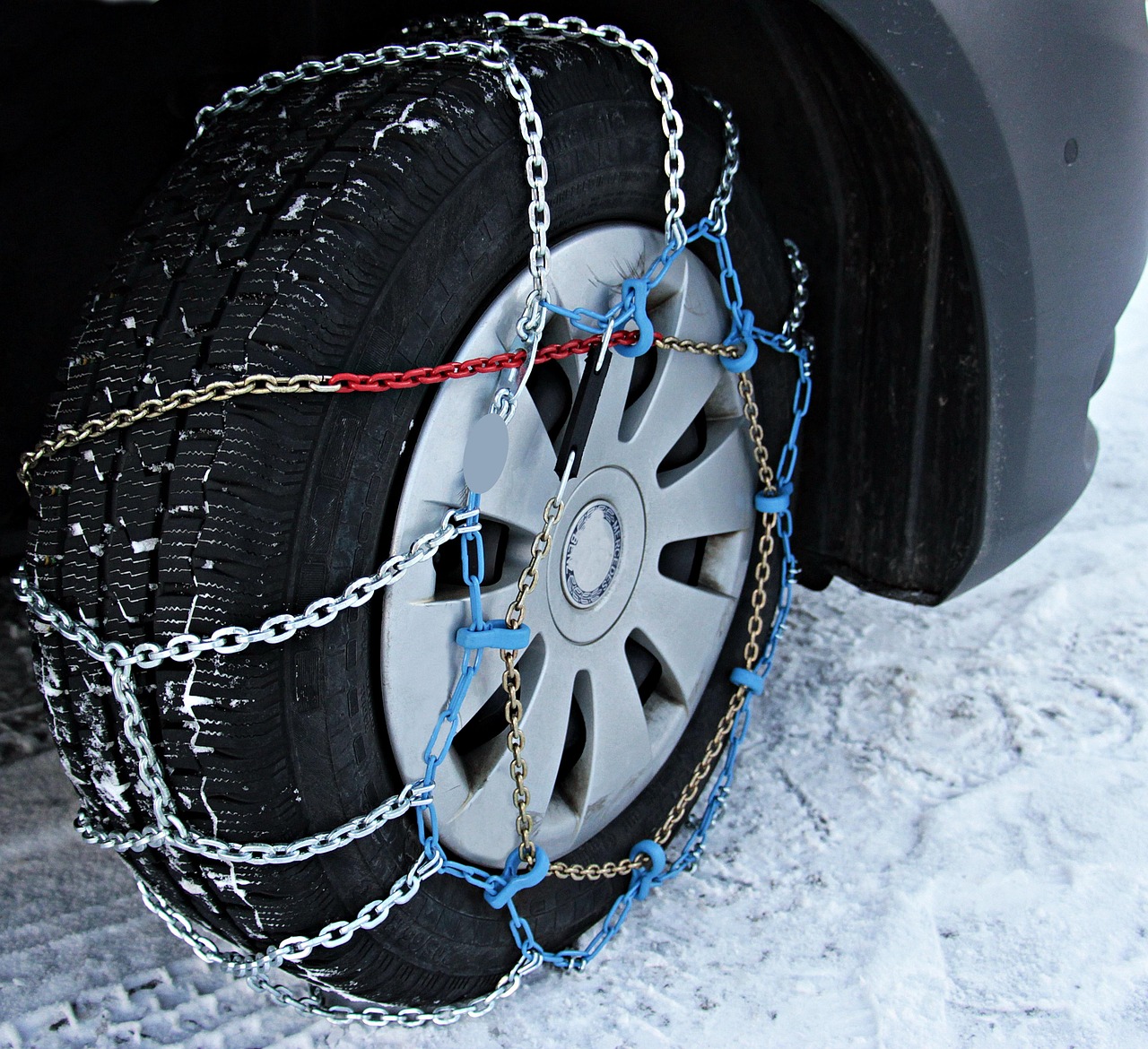
Edmonton Winter Driving Tips That Actually Work
Is your car ready for Edmonton’s first icy morning?
You know the day: the forecast calls for a light dusting, and we wake up to a full-on snow globe. Roads around Mill Woods turn into mashed potatoes, the High Level Bridge glazes over, and Anthony Henday’s right lane becomes a rutted adventure. Winter driving in Edmonton isn’t just about slowing down—it’s about preparing your car, your tires, and your mindset for the kind of cold that makes door locks freeze and washer fluid turn to slush.
Why winter driving in Edmonton is uniquely tough
Edmonton winters swing from deep cold snaps to sunlit afternoons that cause freeze–thaw cycles. That’s prime “black ice” territory—especially on river valley routes like Groat Road, Capilano, and the Walterdale Bridge. Freeways like Whitemud and Yellowhead can drift over quickly during snowbursts, while open stretches around St. Albert and Sherwood Park get strong crosswinds. Step outside the city on QEII toward Red Deer and Calgary or Highway 16 to Elk Island and Jasper, and you’ll meet blowing snow and ground blizzards that reduce visibility to nothing.
Translation: the same commute can feel completely different day-to-day. Proper prep and smart driving techniques make all the difference.
Winter tires: the non-negotiable for Edmonton
Let’s tackle the biggest winter driving upgrade first. Winter tires aren’t just “nice to have” in Edmonton—they’re essential once temperatures consistently sit below 7°C. That’s when all-season rubber firms up and loses grip. Winter tires are made with softer compounds and aggressive tread patterns that stay pliable and bite into snow and ice.
What to look for on the sidewall
- Three-Peak Mountain Snowflake (3PMSF) symbol: This indicates the tire meets winter performance standards. Don’t rely on “M+S” alone.
- Studded options: Studded winter tires are legal for passenger vehicles in Alberta and give extra bite on glare ice. If you regularly drive bridges, rural highways, or hilly river valley routes, studs can be worth it. If you cross into B.C., check their seasonal stud rules.
Edmonton-specific winter tire tips
- Go narrower for deep snow: A slightly narrower winter tire (within manufacturer guidance) can cut through slush and ruts better—useful on unplowed side streets.
- Four matching tires: Mixing tires on AWD vehicles can damage the drivetrain. Replace all four, not just the fronts or rears.
- Steel wheels: Mount winter tires on dedicated steel rims to save your alloys from salt and speed up seasonal swaps.
- Pressure checks: You’ll lose about 1 psi for every 5–6°C temperature drop. Check pressures during cold snaps; an underinflated winter tire loses grip and wears faster.
- Timing: Aim to install winter tires in October, before the first frost. Don’t wait for that late-October snow squall.
Prepping your vehicle for Edmonton’s deep cold
Before the first real cold snap, give your vehicle a thorough once-over. Edmonton winters reveal weaknesses fast.
Cold-start essentials
- Battery health: At -20°C, battery capacity can drop by 40%. Have your battery load-tested and verify Cold Cranking Amps (CCA) are up to spec. If it’s 4–5 years old, consider replacing before winter strands you in West Edmonton Mall’s parking lot.
- Block heater: Plug in at -15°C or colder. Test your block heater and cord now—many cords crack or corrode. A simple test lamp or outlet monitor can confirm it’s working.
- Engine oil: Run the recommended winter grade (often 0W-20 or 0W-30 for newer vehicles). Thinner oil flows faster and reduces cold-start wear.
See and be seen
- Washer fluid: Use -40°C fluid. Top up before storms and keep a spare jug in the trunk.
- Wipers: Install winter blades that resist ice buildup. If your car has heated wiper park or a heated windshield, learn how to activate it.
- Lights: Clean headlights and taillights often; LED headlamps can ice over because they run cooler. Carry a soft cloth in the door pocket.
- Defog like a pro: Use A/C with heat to remove moisture and switch off recirculation. Clean the inside of your windshield with a proper glass cleaner to reduce haze.
Traction, steering, braking
- Brakes and alignment: If your steering wheel is off-center or the car pulls, get an alignment. Poor alignment plus icy ruts on Whitemud equals sudden lane drift.
- AWD/4x4 systems: Engage four-wheel drive periodically to circulate fluids. Know how to activate snow or low-traction modes.
- Floor mats: Use winter mats to contain slush. Wet carpets fog windows and freeze door seals overnight.
Your Edmonton winter emergency kit
- Snow brush/ice scraper, compact shovel, traction aids (sand, kitty litter, or traction boards)
- Booster cables or a lithium jump pack, tow strap
- Warm gloves, toque, thermal blanket, spare socks, hand warmers
- High-visibility vest, reflective triangles or flares
- Phone charger and battery pack
- Non-perishable snacks and water (insulated bottle)
- Lock de-icer (keep it in your jacket, not the glove box)
Edmonton road tactics: real-world winter driving tips
These habits make a big difference on our specific roads.
1) Gentle everything: throttle, brake, and steering
On ice and packed snow, smooth inputs keep traction. If ABS chatters under your foot, keep steady pressure and steer where you want to go—don’t pump the brakes. With traction control, ease onto the throttle to avoid intervention. If you’re stuck starting on ice, briefly disable traction control to allow some wheel movement and use a higher gear in manuals.
2) Double your space: 6–8 seconds following distance
On clear dry roads, 3 seconds works. In Edmonton winter, go 6–8 seconds. That extra cushion helps when the SUV ahead suddenly discovers black ice near the High Level or Henday bridge decks. Start braking earlier, and avoid hard lane changes across frozen ruts.
3) Hills and river valley routes
- Momentum is everything: Give yourself space and keep a steady speed up Groat or Capilano when it’s slick. Avoid stopping partway up.
- Downhill control: Drop a gear and let engine braking help. Feather the brakes; don’t ride them.
- Bridges freeze first: Expect glare ice on Henday crossings, Walterdale, and the High Level on cold mornings.
4) Freeway etiquette on Henday, Whitemud, and Yellowhead
- Mind the windrows: Plows leave snow ridges; plan lane changes early and cross ruts at a shallow angle.
- Never pass a plow on the right: Give at least 10 car lengths behind the plow. The road is best behind it.
- Skip cruise control: On patchy ice and snow, cruise can cause unexpected wheelspin. Keep manual control.
- Watch shaded sections: Underpasses and tree-lined stretches near the river stay icy long after the sun comes out.
5) Residential streets and parking bans
When the City of Edmonton declares a seasonal parking ban on designated snow routes, move your vehicle to help graders clear windrows. It speeds up the process and reduces the mini-curbs you’ll face the next morning in neighborhoods like Terwillegar, Mill Woods, and Clareview.
6) Highway trips beyond the city
Heading to Calgary or Red Deer on QEII, or west on Highway 16? Check 511 Alberta for real-time road conditions, incidents, and plow tracking. Fill up before leaving the city and keep the tank at least half full—unexpected closures or detours can add long delays, especially in whiteouts south of Leduc or near open farmland.
Visibility and comfort hacks that matter
- Clear it all: Remove snow from the roof, hood, and lights before you drive. That big sheet of roof snow will slide onto your windshield at the first stop on Jasper Ave.
- Door seals: Wipe them dry and apply a silicone conditioner to prevent freezing shut after slushy days.
- Pre-heating: Remote start warms the cabin, but it’s not a substitute for a block heater. Limit idling and start driving gently after 30–60 seconds; your engine warms faster under light load.
- Interior moisture: Knock snow off boots and mats; consider a small desiccant pack inside the cabin to help reduce morning fog.
AWD vs. winter tires: what really helps in Edmonton
All-wheel drive helps you go, but it doesn’t help you stop. Winter tires help you go, turn, and stop. The safest combo for Edmonton’s mix of deep cold and black ice is winter tires on any drivetrain. If you have AWD or 4x4, you still need proper winter rubber for cornering and braking on Henday ramps and icy side streets.
Look for winter driving features that make life easier here: heated steering wheel and seats, heated windshield or wiper park, remote start, high-output defrost, and a factory block heater. Ground clearance matters when neighborhoods haven’t been plowed yet.
What to do if you slide or get stuck
- Skid recovery: Look where you want to go and steer gently toward it. Ease off the brake or throttle until the tires regain grip.
- If you’re stuck: Clear snow away from the drive wheels, lay down sand/kitty litter, and gently rock the vehicle forward–back. Turn off traction control briefly to get momentum, then re-enable it once you’re moving.
- In a ditch: If you’re safe and warm, stay with the vehicle. Use hazards, set reflective triangles, and call for help. AMA and many insurers offer roadside service; keep those numbers handy.
Buying or upgrading for Edmonton winters
If you’re shopping for a vehicle with winter driving in mind—whether you’re commuting downtown from Windermere or weekend-tripping to Jasper—you’ll want to prioritize the right features.
Winter-friendly features to look for
- Factory block heater and accessible cord
- Heated seats and steering wheel; heated mirrors
- Remote start with long-range fob or app control
- AWD or 4x4 with snow/ice drive modes
- Good ground clearance and approach angles for rutted residential streets
- LED headlights with effective wash or heating, or good-quality halogens with clean lenses
When you’re comparing vehicles at dealerships like ours, ask whether a winter tire and steel wheel package can be bundled into the deal. If you’re eyeing a private listing through our open marketplace, consider a pre-purchase inspection and budget for winter tires if the vehicle doesn’t include them. At Driving With Us Auto Market, we sell both new and used vehicles, and our marketplace connects private sellers and buyers across Alberta—plus we can arrange financing for dealership purchases and private sale transactions. That means if you find the perfect winter-ready SUV in St. Albert or a well-kept AWD sedan in Sherwood Park, we can help you secure it and get it winter-prepped.
Local resources every Edmonton driver should bookmark
- 511 Alberta: Real-time road conditions, cameras, and plow locations – 511.alberta.ca
- City of Edmonton Snow and Ice Control: Parking bans, priority routes, and neighbourhood clearing – search “City of Edmonton snow and ice control”
- Environment Canada: Weather warnings and windchill advisories – weather.gc.ca
- AMA Roadside Assistance: If you commute on Henday or travel Highway 2 often, it’s worth it
Winter driving myths—busted
- “All-seasons are fine in the city.” Not when it’s -20°C. Winter tires use a compound designed for cold; all-seasons harden and slide.
- “AWD means I can stop faster.” Stopping is all about tire grip and road surface. AWD does nothing for braking distances.
- “I’ll just throw some sandbags in the trunk.” Weight can help rear-drive traction, but too much weight increases stopping distance. Balance is key.
- “I should pump my brakes on ice.” If you have ABS, apply firm, steady pressure and let the system work. Steer around trouble, don’t fight the pedal pulsation.
- “Winter tires wear out fast on dry roads.” In cold, dry conditions, quality winter tires wear reasonably—and the safety gains on those surprise icy mornings are massive.
A quick, Edmonton-ready winter checklist
- Install 3PMSF winter tires (consider studs if you drive icy bridges/highways often)
- Test battery, confirm healthy CCAs; replace if borderline
- Verify block heater and cord function; start plugging in at -15°C
- Top up -40°C washer fluid; install winter wipers
- Inspect brakes and alignment; check AWD/4x4 operation
- Pack a winter emergency kit with shovel, traction aids, and jump pack
- Clean and protect door seals; switch to winter floor mats
- Plan extra time for Henday/Whitemud commutes; skip cruise control
- Check 511 Alberta before highway trips; keep fuel above half
Final word: Confidence comes from preparation
Edmonton winter driving will always throw curveballs—freezing drizzle on Yellowhead, sudden whiteouts south of Leduc, or rutted side streets in Callingwood. But with proper winter tires, a cold-ready vehicle, and local know-how, you can handle it with confidence. If you’re upgrading your vehicle or need a winter tire package, we’re here to help. At Driving With Us Auto Market, our team supports buyers and sellers across Alberta—whether you’re shopping new or used on our lot or finalizing a private deal through our open marketplace. We can even roll winter tires and accessories into your financing so you’re set before the next storm hits.
Drive safe, keep it smooth, and we’ll see you out there—preferably with clear roads and a working block heater.