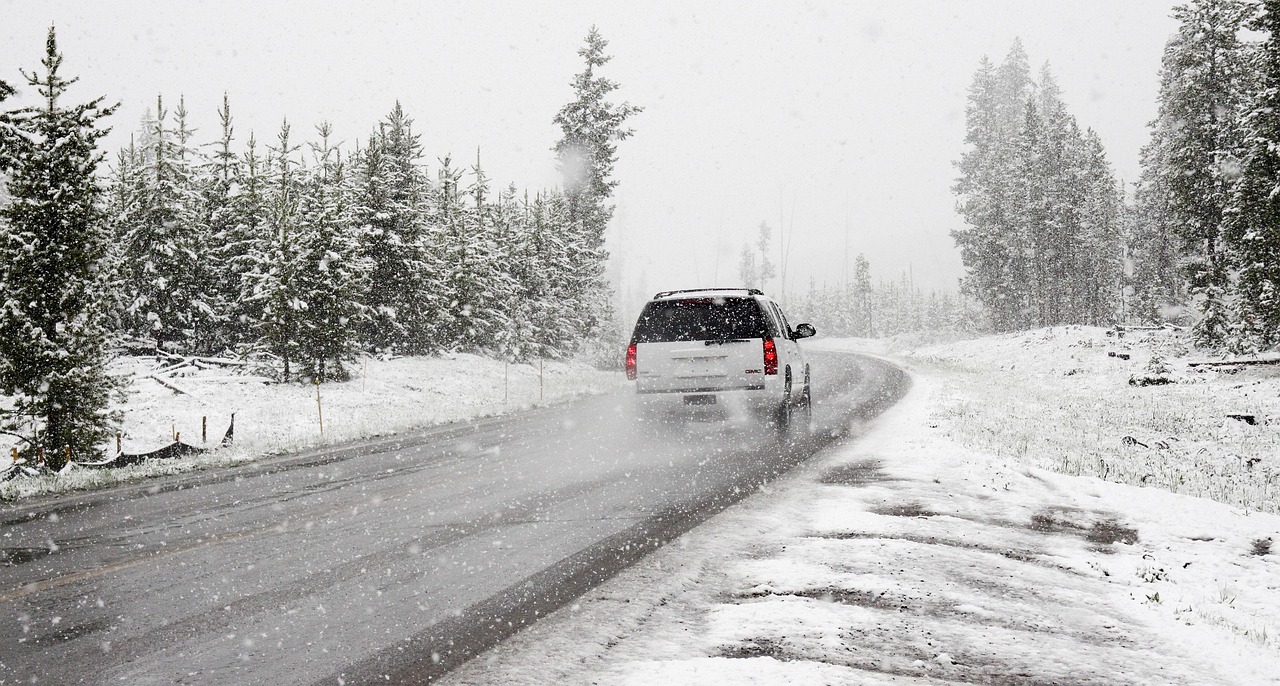
Edmonton Winter Driving Tips That Work
Edmonton Winter Driving Safety Tips That Work
When winter arrives in Edmonton, it doesn’t tiptoe in—it barrels through with deep freezes, sudden snow squalls, and long stretches of pavement polished by wind and traffic. Between the open exposures on the Anthony Henday, busy interchanges on the Yellowhead, frosty bridge decks over the river valley, and whiteout potential on Highway 2 toward Calgary, driving smart is non-negotiable. This guide from Driving With Us Auto Market delivers practical, Edmonton-tested tips to help you prepare your vehicle, drive more safely, and make sound buying or selling decisions as winter sets in.
Along the way, we’ll weave in car buying tips for Alberta drivers, how to prep a listing if you’re selling your car, and how our vehicle marketplace Edmonton shoppers use offers financing for private sale purchases and solutions for negative equity.
Why Edmonton Winters Demand a Different Approach
Edmonton’s winter is a mix of deep cold snaps (hello, -30°C), frequent freeze–thaw cycles, and wind that can turn dry pavement into black ice within minutes. Bridges like the Quesnell, High Level, and Groat Road overpasses often freeze faster than the rest of the road. Residential streets can be rutted after snowfalls, and windrows can narrow lanes. On ring roads like the Anthony Henday, crosswinds and drifting snow are common. All of this means your winter vehicle care and driving habits need to be deliberate and local-smart.
Pre-Winter Vehicle Prep: Your Edmonton Checklist
Start early—ideally before the first extended freeze. Here’s what matters most for car maintenance and vehicle care in Alberta:
1) Winter Tires: Your Best Safety Upgrade
- Choose true winter tires with the Three-Peak Mountain Snowflake symbol. All-season tires harden in cold; winter tires stay pliable, improving grip and braking on icy Edmonton roads.
- Tread depth: Aim for 6 mm or more before winter. Traction drops significantly below 4 mm.
- Inflation: Cold air reduces tire pressure. Check monthly and set to door-jamb specs when tires are cold.
- AWD isn’t a shortcut: All-wheel drive helps you go; winter tires help you stop and turn. In Edmonton, winter tires beat AWD on all-seasons every time.
- Alberta travel: If you’ll cross into B.C. this winter, many highways require winter tires from Oct–Apr. Plan accordingly.
2) Battery and Block Heater
- Test your battery if it’s 3–5 years old. Cold drains cranking power fast. Ask for a load test and check CCA (cold cranking amps).
- Plug in the block heater around -15°C or colder. Edmonton parkades and many workplaces offer outlets—carry a good-quality outdoor-rated extension cord.
- Inspect the block heater cord for cracks or frays before the first freeze.
3) Fluids, Wipers, and Defrost
- Windshield washer fluid rated to -40°C is a must. Keep a spare jug in the trunk.
- Wiper blades: Install winter blades for heavier snow and ice. Replace if they streak.
- Coolant/antifreeze: Ensure proper mix and level. A cooling system check can prevent mid-winter surprises.
- Oil: Use the viscosity recommended for cold weather in your owner’s manual; it helps cold starts.
- Defrost and HVAC: Verify both front and rear defrosters work. For fog, turn off recirculation to let dry outside air in.
4) Brakes, Lights, and 4WD/AWD Systems
- Brakes: Have them inspected; winter roads amplify any weakness.
- Lights: Clean lenses regularly. Use full headlights in snow and dusk; don’t rely on daytime running lights (DRLs), which may not activate your rear lights.
- 4WD/AWD: Test engagement before the first storm. Know how to lock or select modes as needed.
5) Underbody Protection and Rust Prevention
- Salt and sand: Edmonton uses sand and de-icing products. Consider undercoating and wash the undercarriage regularly to prevent corrosion.
- Door seals: Treat with silicone to prevent freezing. Keep a small de-icer on hand for locks.
Build a Smart Winter Emergency Kit
Even a short commute can turn into a long wait during a jackknifed semi on the Henday or a pileup on the Yellowhead. Pack:
- Foldable shovel and traction aids (sand, kitty litter, or traction boards)
- Booster cables or a compact booster pack
- Warm blanket, gloves, toque, and chemical hand warmers
- High-visibility vest, flashlight or headlamp, extra batteries
- Snacks, water, and a phone charging cable
- First-aid kit and a tow strap (if you know how to use it safely)
- Small candle and matches/lighter for emergency warmth
Save key numbers: roadside assistance, your insurer, and 511 Alberta for live road reports.
Edmonton Driving Techniques That Actually Help
These winter driving tips are tuned to the way our local roads behave when temperatures dive:
Leave More Space—Much More
- 8–10 seconds of following distance gives you time to brake and steer around trouble. Edmonton intersections build ice layers fast—don’t tailgate.
- Look far ahead on Whitemud and the Yellowhead to spot brake lights early.
Brake and Steer Smoothly
- ABS works best with firm, steady pedal pressure—don’t pump the brakes.
- Traction control may reduce power to stop wheelspin. If stuck, gentle throttle in a higher gear (or a “Snow” mode) can help.
- Rutted lanes on residential roads can tug your wheels—hold the wheel steady and change lanes slowly.
Bridges, Shade, and Black Ice
- Bridge decks like the Quesnell and Groat Road overpasses freeze first. Approach at a consistent speed and avoid sudden inputs.
- Shaded sections on St. Albert Trail and Terwillegar Drive can hide ice late into the afternoon.
- Black ice appears when temperatures hover around zero. If you feel the wheel go light, ease off the throttle and steer gently.
Highway 2, QEII, and Rural Alberta
- Crosswinds and drifting are common between Edmonton and Red Deer. Keep both hands on the wheel and anticipate gusts in open areas.
- Snowplows: Give them room—stay back at least 10 car lengths and never pass on the right when they’re throwing snow.
- Plan stops for fuel and warm-ups when heading to Calgary or Fort McMurray—stations can be spaced out and conditions change fast.
See and Be Seen: Visibility Secrets
- Clear it all: Remove snow and ice from the entire car—roof, hood, lights, and cameras. Flying snow from your roof endangers others.
- Use the right setting: Set lights to Auto or On so your tail lights are lit in snow and at dusk; DRLs alone don’t illuminate the rear.
- Manage fog: Turn off recirculation, run A/C with heat to dry the air, and crack a window slightly if needed.
- ADAS sensors: Keep cameras, radar, and parking sensors clean. Assist systems can be limited by snow and slush; don’t over-rely on them.
Winter Car Care: Little Habits, Big Payoffs
- Warm up wisely: Limit idling; start driving gently after 30–60 seconds to warm the drivetrain faster and save fuel.
- Wash smart: Use touchless washes during milder spells (around -10°C to -5°C). Dry door seals and apply silicone to prevent freezing.
- Fuel: Keep at least a half tank in case of delays and to reduce condensation in the tank.
- Alignment: Potholes show up after freeze–thaw. If the wheel pulls or tires feather, book an alignment—winter traction depends on it.
EV and Hybrid Owners: Cold Weather Best Practices
- Precondition the cabin and battery while plugged in; you’ll preserve range for the drive.
- Heat pumps and seats: Use heated seats and wheel to reduce HVAC load.
- Range expectations: Plan for reduced range in deep cold. Use apps like PlugShare to map DC fast chargers around Edmonton, Sherwood Park, and Red Deer.
- Tires still matter: Winter tires dramatically improve stopping distances on icy pavement for EVs and hybrids.
Buying or Selling a Vehicle Before Winter
Edmonton’s winter can expose a car’s weaknesses fast. Whether you’re browsing new and used cars Edmonton shoppers trust or preparing to list your vehicle, use these car buying tips and private seller tips to stay ahead of the season.
For Buyers: Features Worth Having
- Winter-ready features: Remote start, heated seats and steering wheel, heated mirrors, and a good defrost system.
- AWD/4WD vs winter tires: If budget forces a choice, prioritize winter tires first; then consider AWD if your routes include rural Alberta or steep driveways.
- Block heater: Verify the car has one—and that it works. Many Alberta-spec vehicles do, but check the cord and plug.
- Service history: Look for recent battery tests, brake service, and cooling system maintenance.
- Undercarriage condition: Check for rust and ask about undercoating—salt and brine can take their toll.
Shopping across the province? Our open car marketplace connects you with both dealer inventory and private seller cars Alberta-wide. If you find the right fit from a private seller, we can help with vehicle financing Canada-wide, even for non-dealer purchases.
For Sellers: Winter-Ready Listings That Sell
- Equip winter tires (or include them in the sale). Buyers appreciate a turn-key solution.
- Fix the small stuff: Replace wipers, top up -40°C washer fluid, confirm the block heater works, and clear any dash warning lights.
- Detail for winter: Clean glass inside and out, treat door seals with silicone, and wash the undercarriage.
- Honest photos: Take clear daylight photos showing tires, block heater cord, and the cargo area with emergency kit.
- Records ready: Provide recent inspection, battery test, and brake report. It builds trust in winter.
Listing on our vehicle marketplace Edmonton is simple. Driving With Us Auto Market promotes your car to qualified buyers across Alberta and, if needed, can host safe test-drives at our location. We also support negative equity exits with minimum losses where possible—talk to us about options if your loan balance is higher than your car’s value.
Financing and Negative Equity: How We Help
- Private sale financing: Found a great car from a private seller? We can arrange financing and protect both parties with proper paperwork.
- Trade or sell with negative equity: We’ll review solutions to minimize losses—sometimes a refinance, sometimes a sale supported by our buyer network.
- Pre-approvals: Get a winter-ready budget before you shop. It simplifies negotiations and helps you compare vehicles fairly.
As a car dealership Alberta drivers trust and a modern open car marketplace, we blend the selection of auto sales Edmonton buyers want with the flexibility private sellers need.
Real-World Winter Scenarios in Edmonton (and How to Handle Them)
1) The Green Light Ice Patch
You’re first in line at a green on Whyte Ave. The car in front of you fishtails slightly and stops short. With winter tires, extra following distance, and gentle throttle, you can pull away smoothly. Without those habits, a light tap of the brakes might lock wheels on ice and slide you into the crosswalk. Tip: Always expect polished ice at busy intersections.
2) The Henday Whiteout
Wind picks up near the river crossings and visibility drops. Slow to a safe speed, increase following distance, and switch on full headlights (not just DRLs). If conditions worsen, use the next safe exit to regroup. Tip: Don’t pull onto the shoulder in near-zero visibility unless absolutely necessary; you risk being struck.
3) The Residential Rut Trap
After a big snowfall, your neighbourhood street is rutted. Keep a steady wheel and low speed. When changing lanes, signal early, check traction, and cross ruts at a shallow angle to avoid getting pulled off line. Tip: Momentum—not speed—helps you gently crest windrows without spinning.
4) The Highway 2 Crosswind
Southbound to Calgary, a crosswind pushes the vehicle sideways on icy patches. Hold the wheel firmly with both hands and anticipate gusts. Keep space around transport trucks and avoid abrupt lane changes. Tip: Take breaks—fatigue magnifies wind correction errors.
Local Logistics: Parking Bans, Plows, and Timing
- Snow and ice control: The City of Edmonton posts parking bans and plowing schedules after major snowfalls. Move vehicles to avoid tickets and to help crews clear your street.
- Timing your trips: When a storm is forecast, run errands early and avoid peak-hour commutes. Leave extra time for bridges and interchanges.
Insurance, Roadside, and What to Do After a Minor Collision
- Coverage check: Ask your provider about glass coverage and any winter tire incentives. Some insurers offer perks for documented winter tires.
- Dash cams: Useful for winter claims and hit-and-run incidents.
- After a fender-bender: If safe, move to a parking lot or shoulder, exchange information, take photos, and capture the scene conditions (ice, snow piles, poor visibility). File reports as required.
How Driving With Us Auto Market Supports Safer Winter Decisions
Driving With Us Auto Market is a trusted source for new and used cars Edmonton residents rely on—plus an open marketplace for private sellers across Alberta. Here’s how our model helps in winter:
- Dual choices: Shop our marketplace inventory or browse vetted private seller cars Alberta-wide in one place.
- Financing for private sales: We offer vehicle financing Canada-wide even when you buy from a private seller—secure, transparent, and convenient.
- Negative equity guidance: If you’re upside down on your loan, we’ll help you explore options to exit with minimal loss.
- Buy and sell safely: Arrange a safe meeting with the seller, review the paperwork, and consider a pre-purchase inspection so surprises don’t emerge in the first cold snap.
- Winter-ready guidance: Our team can recommend tires, battery checks, and winter accessories tailored to your vehicle and commute.
Quick Reference: Edmonton Winter Driving Resources
- 511 Alberta for road and weather alerts
- City of Edmonton snow and ice control updates and parking bans (city website)
- Roadside assistance (e.g., AMA) and your insurance provider’s claims line
- Local tire shops for winter tire availability and installation
Final Word: Prepare Early, Drive Deliberately
Winter safety on Edmonton roads boils down to preparation, patience, and the right equipment. Fit proper winter tires, test your battery, stock a simple emergency kit, and practice smooth inputs in an empty lot as the first snow falls. If you’re upgrading vehicles, lean on our car buying tips and let us connect you with the right fit—from AWD crossovers for rural commutes to efficient city runabouts with rock-solid heaters. And if you’re selling your car, our vehicle marketplace Edmonton drivers trust can help you reach serious buyers—backed by financing options and safe, transparent transactions.
Have questions about winter prep, features to look for, or financing a private sale? Reach out to Driving With Us Auto Market. We’re the Alberta auto marketplace drivers count on, and we’re here to keep you moving safely—no matter how low the mercury goes.