Edmonton Winter Driving Tips You’ll Actually Use
Ever hit black ice on the High Level Bridge and felt your stomach drop?
If you drive in Edmonton, you know winter isn’t just a season—it’s a skill set. Between the river valley bridges that ice up first, powdery drifts on Anthony Henday, and rutted residential streets after a dump, winter driving here demands more than generic advice. Let’s walk through practical steps—what to do, when to do it, and why it matters specifically on Alberta roads.
Why winter driving in Edmonton is different
Our weather swings are wild. One week it’s +2°C and slushy on Whyte Ave, the next it’s -30°C with wind chills turning the QEII into a deep freeze. Those rapid temperature flips create black ice, especially on bridges like Walterdale and Groat, and on shaded stretches of Connors Road and Scona Road. Add in strong northwest winds across open areas by the airport and Nisku, and you get drifting snow that hides polished ice underneath.
- Freeze-thaw cycles mean morning glare ice even after sunny afternoons.
- River valley bridges cool faster than regular roads—expect earlier icing.
- Residential streets develop deep ruts—watch for frozen “railroad” grooves when changing lanes.
- Plow priorities matter: main routes like Whitemud and Yellowhead clear first; neighbourhoods can stay slick for days.
Winter tires: your Edmonton-specific guide
When to switch to winter tires in Edmonton
Plan your swap when daytime highs consistently hit 7°C or below—usually mid to late October in Edmonton. Don’t wait for the first big snowfall; by then shops are slammed and you’ll be nudging along Gateway Boulevard on all-seasons. Set a reminder around Thanksgiving and watch the 14‑day forecast.
M+S vs. 3PMSF vs. all-weather: what’s right for you?
- All-season (M+S): Not enough for Alberta winters—rubber hardens in the cold.
- All-weather (3PMSF): A solid compromise if you can’t store two sets; better than all-season, but not as strong as true winter rubber in deep cold.
- Dedicated winter tires (3PMSF): Best traction in snow and on ice. For most Edmonton drivers, this is the smart pick.
Studded or studless?
Studded tires are legal in Alberta for passenger vehicles and can help on hard ice, like the polished corners near 97 Street and 118 Ave after a deep freeze. That said, modern studless tires with advanced compounds and sipes perform brilliantly across our typical mix of packed snow, ice, and slush—without the noise. If you live up in St. Albert or Sherwood Park and your commute involves rural grid roads, studs may be worth it.
Size, tread depth, and pressure
- Go narrower: A slightly narrower winter tire can cut through snow better. Follow your owner’s manual or ask a trusted shop for a recommended winter size.
- Tread depth: Replace around 5/32" for winter tires; more depth means better snow evacuation.
- Pressure: You lose roughly 1 PSI for every 5°C drop. Check pressures often when the mercury dives—underinflation kills traction and range (especially for EVs).
AWD and 4WD still need winter tires
AWD helps you go; winter tires help you stop and turn. On black ice at the top of Groat, AWD won’t save you if your rubber can’t grip. Install four matching winter tires—never just two.
Buying winter tires on a budget
Used sets can work if you inspect them carefully: check the DOT date (aim for under six winters), look for even wear, cracking, and at least 6/32" tread. If you’re shopping vehicles, ask if a second set of winter wheels is included; many Edmonton sellers keep them. On our open marketplace at Driving With Us Auto Market, you’ll often see vehicles listed with winter sets—great value if you’re gearing up for the season. We can also help finance tire-and-wheel packages with a vehicle purchase, even on private sale transactions.
Prep your vehicle for Edmonton winters
Battery and block heater basics
- Battery health: Cold slashes capacity. If your battery is 3–5 years old, get a load test before the deep freeze. Look for good cold cranking amps (CCA) for Alberta cold snaps.
- Block heater: Plug in around -15°C or when your engine cranks slowly. Use a heavy-duty, outdoor‑rated extension cord and a timer to run 2–4 hours before departure. Many workplaces across Edmonton have powered stalls—great for daytime starts.
- Cables and corrosion: Clean terminals and secure the block heater cord; a dangling cable can tear off in slush ruts.
Fluids, filters, and wipers
- Oil: Use the manufacturer-recommended winter grade—full synthetic flows better in deep cold.
- Coolant: Ensure proper mix; a hydrometer test takes minutes and prevents expensive damage.
- Washer fluid: Choose -40°C rated fluid. Keep a spare jug in the trunk (inside a bag). Winter blades with a protective shell shed ice better.
- Cabin air filter: A clean filter improves defrosting and reduces fogging.
See and be seen
- Defrost technique: A/C on, temp warm, fan mid-to-high, and fresh air (not recirc). Microfiber towel for inside glass makes a big difference.
- Lights: Clean lenses before every drive—road grime on Whitemud builds up fast. Consider brighter bulbs within legal specs.
- Sensor care: ADAS cameras and radars (front grille, windshield) clog with slush; clean them or driver aids won’t work when you need them most.
Emergency kit for Edmonton commutes
- Blanket, extra gloves/toque, and chemical hand warmers
- Booster pack or cables, tow strap, and compact shovel
- Traction aids (sand/kitty litter or traction boards)
- First aid kit, high‑visibility vest, and reflective triangle
- Snacks and insulated water bottle (don’t rely on plastic bottles in deep cold)
- Lock de‑icer (keep it in your jacket, not the glove box)
- Phone charger and power bank (store warm to preserve charge)
Keep your fuel at least half full to prevent line freeze and give yourself heat if you’re stuck on the Henday during a pileup.
Driving techniques that work on Edmonton roads
Control the basics: speed, space, and smooth inputs
- Following distance: 6–8 seconds in snow or ice. Double that on black ice.
- Steering and throttle: Be gentle. Any sudden input—especially when switching lanes in ruts on 137 Ave—can break traction.
- Braking: If you have ABS, press firmly and steer—don’t pump. Without ABS, use threshold braking (firm, short of lockup).
- Cruise control: Off on slippery surfaces. A surprise wheel spin on the Yellowhead can cause a fishtail.
Hills, bridges, and interchanges
- Hills: On Connors or Scona Road, leave extra space and keep a steady, modest pace. If traffic stops mid-hill, wait at the bottom for a clear run rather than stopping on ice.
- Bridges: Expect earlier icing on Walterdale, High Level, and Groat. Light braking before the bridge, then coast and steer smoothly across.
- Interchanges: Henday ramps ice quickly in shade. Enter slower than usual and look far ahead—avoid mid‑corner braking.
Snowplow etiquette (and the Alberta rule)
- Stay well back—10 car lengths is a good start. The plow throws snow and hides hazards.
- Never pass on the right.
- When passing workers or plows with flashing lights, slow down and move over. In Alberta, you must reduce speed and give space; 60 km/h is a common threshold when lights are flashing—follow posted instructions and be prepared to go even slower for safety.
Lane choice and ruts
Freshly plowed lanes often have better grip than polished, rutted ones. If you must change lanes on Whitemud’s icy grooves, signal early, check mirrors, then ease the wheel and maintain light throttle so the tires can climb out without spinning.
City-specific strategies that save time (and stress)
Plan around plow schedules
Edmonton prioritizes major routes first. After big dumps, watch the City’s plow maps and local news to find active zones. Residential parking bans are common—respect them or risk a tow and a snow windrow blocking your driveway in Mill Woods or Terwillegar.
Route planning tools
- 511 Alberta: Live highway conditions from QEII to Highway 16. Essential for trips to Red Deer, Calgary, or Jasper.
- City updates: Follow Edmonton’s channels for parking bans and plow progress.
- Weather: Hourly forecasts matter—glare ice often hits at morning rush as temps dip.
Highway tips for Alberta winter driving
- QEII to Calgary: Open prairie crosswinds stack drifts—watch for sudden whiteouts near Airdrie and Red Deer.
- Highway 16 (Yellowhead): Polished lanes after heavy truck traffic; extra space behind semis to avoid ice spray.
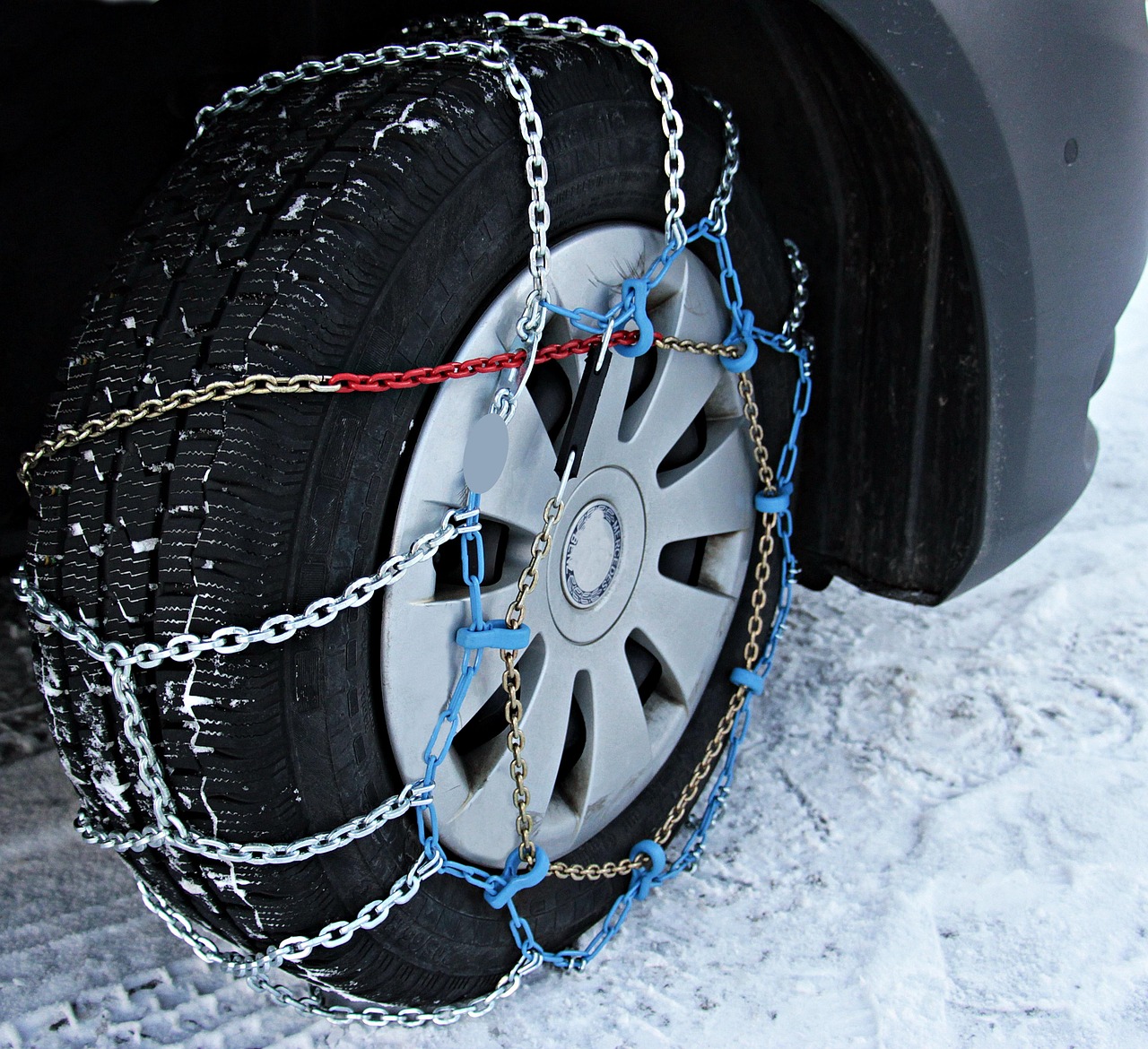
- Mountain runs: If you’re heading toward Jasper, check 511 for closures and carry a real winter kit. Alberta doesn’t mandate chains like BC’s mountain passes, but conditions can rival them.
Tips for trucks and SUVs
- Weight over the drive axle: For RWD pickups, secure 90–180 kg of sandbags over the axle (tie them down). Don’t overload—too much weight hurts braking.
- 4H vs. Auto 4WD: Use 4H on consistently slippery surfaces; Auto 4WD works well for mixed conditions. Avoid 4H on dry pavement to prevent drivetrain bind.
- LT winter tires: If you tow or haul, choose winter-rated LT tires with proper load range and the 3PMSF symbol.
EV and PHEV winter know-how
- Precondition: Warm the cabin and battery while plugged in—schedule departure on cold mornings.
- Use seat/steering wheel heat: More efficient than blasting cabin heat.
- Range reality: Expect 20–40% reduction in deep cold. Plan charging at hubs like South Edmonton Common, West Edmonton Mall, or near downtown.
- Regen braking: It may be limited in cold temps; winter tires help regain control. Be gentle with pedals until the battery warms up.
What to do if you slide or get stuck
Recovering from a slide
- Eyes where you want to go, not at the hazard.
- Ease off the accelerator; don’t slam brakes. If ABS engages, steer smoothly.
- On RWD vehicles, gentle throttle can help straighten out—practice in an empty, snowy lot to learn your car’s behaviour.
Getting unstuck
- Clear packed snow from in front of the drive wheels.
- Use traction aids (sand, mats). Avoid spinning—heat turns snow to ice.
- Rock the vehicle in Drive/Reverse if your transmission allows.
- If you must run the engine, make sure the tailpipe is clear of snow to prevent carbon monoxide buildup.
When in doubt, call roadside assistance. On a dark January evening off 23 Ave, safety > pride.
Shopping for a winter-ready vehicle (or adding winter must-haves)
Maybe your car struggles every February on the climb out of the river valley, or your growing family needs AWD and heated everything. When you’re shopping at dealerships like ours—Driving With Us Auto Market—you can compare new and used vehicles suited for Alberta winters, from compact AWD crossovers to plug‑in hybrids with heat pumps. Ask about:
- Winter packages: Mounted winter tires on steel rims, TPMS sensors programmed, and proper torque settings.
- Cold-weather features: Remote start, heated seats/steering wheel, heated windshield/washer nozzles, and reliable block heaters.
- Inspections: Brake pad thickness, battery health (CCA), and coolant protection for sub‑zero temps.
Buying from a private seller instead? Our open marketplace connects Edmonton and Alberta sellers with buyers, and we can arrange financing and mechanical inspections for private sale deals too—so you don’t have to gamble on Kijiji luck. We’ll help you factor in the cost of winter tires and any must‑do maintenance into one affordable payment.
Quick Edmonton winter checklist
- Install 3PMSF winter tires by mid–late October; check pressure monthly.
- Test battery; plug in the block heater around -15°C.
- Carry -40°C washer fluid; swap to winter wiper blades.
- Pack a real emergency kit (warmth, traction, power, first aid).
- Keep fuel at least half full.
- Clean lights and sensors before every drive; learn your ABS/ESC.
- Use 511 Alberta and City plow maps; plan around parking bans.
- Slow, smooth inputs; 6–8 seconds following distance; cruise off.
Final word
Winter driving in Edmonton asks a lot from both you and your vehicle. Set yourself up with the right tires, a warmed-up engine block, clear visibility, and calm technique, and you’ll handle everything from icy Groat Road mornings to snowy late‑night runs down the Yellowhead. If you need a winter‑ready vehicle—or help financing one from a private seller—Driving With Us Auto Market has your back across Alberta. Until then, keep it smooth, leave space, and stay plugged in—literally.