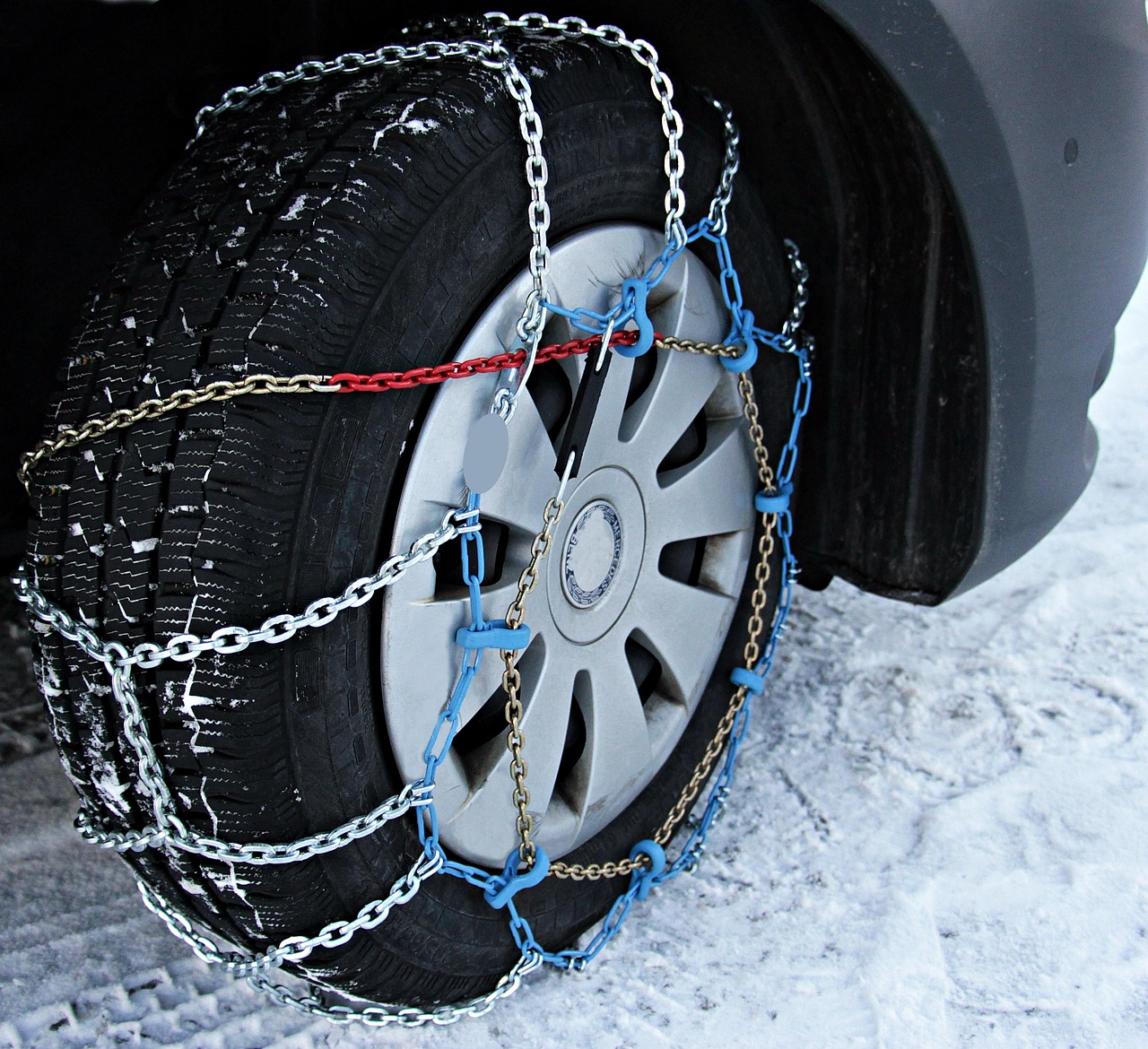
Extend Your Car's Life in Edmonton Winters
Why Edmonton Winters Are Hard on Your Car
Edmonton winters aren’t just cold—they’re variable. One week it’s -30°C, the next a mild Chinook drifts in and roads turn slushy before refreezing into ruts and black ice. That swing stresses every system on your vehicle. Cold thickens fluids, saps battery power, hardens rubber components, and accelerates corrosion when road salt and gravel mix with moisture. Add in potholes on the Henday, packed snow on residential routes, and wind chills on open stretches of the QEII toward Calgary, and it’s easy to see why cars age quickly here.
Good news: with a few Alberta-specific habits, you can slow the wear, improve reliability, and keep costs in check. At "Driving With Us"—a trusted used car dealership serving Edmonton and surrounding areas—we’ve helped thousands of drivers get more life from their vehicles. These are the cold-weather strategies we use ourselves.
Pre-Winter Baseline: The Checkup That Pays You Back
Book a fall inspection—ideally in September or October—so you’re ready before the first deep freeze.
1) Battery and Starting System
- Load-test the battery: A battery that’s fine at +10°C can stumble at -20°C. Ask for a CCA (Cold Cranking Amps) test. If it’s 4–5 years old or testing weak, replace it before winter, not during the first cold snap.
- Inspect terminals and cables: Clean corrosion and ensure tight connections. Poor contact is a top cause of no-starts on frigid mornings.
- Check the alternator and starter: A quick charging system test verifies your alternator is keeping the battery topped up during short winter trips.
2) Oil and Fluids for Extreme Cold
- Use the correct oil viscosity: Many modern vehicles in Alberta run 0W-20 or 5W-30 in winter. The “0W” or “5W” cold rating helps oil flow on -30°C start-ups. Verify your owner’s manual.
- Coolant strength and condition: A 50/50 mix with appropriate freeze protection is essential. Old coolant can lose anti-corrosion properties—flush per schedule.
- Brake, power steering, and transmission fluids: Cold thickening can delay shifts and reduce steering assist. Check level and condition; consider a transmission service if it’s overdue.
3) Heating, Defrost, and Cabin Air
- Heater core and thermostat: If your temperature gauge struggles to reach normal or heat is weak, address it now. Efficient warm-up reduces engine wear.
- Cabin air filter: A dirty filter fogs windows and overworks your blower motor—replace before winter.
4) Belts, Hoses, and Rubber
- Inspect for cracks and glazing: Cold stiffens rubber. Prevent a snapped belt or split hose by replacing anything suspect.
- Wiper blades: Install beam-style winter blades; they shed ice better and protect your windshield.
Daily Cold-Weather Habits That Extend Vehicle Life
Smart Warm-Up: Less Idling, More Gentle Driving
In Edmonton’s deep cold, idling feels comforting, but long idles dilute oil with fuel and waste gas. Best practice:
- Idle for 30–60 seconds, then drive gently. At -25°C or colder, up to 2 minutes is reasonable.
- Keep RPMs low for the first 5–10 minutes; this warms driveline fluids and reduces wear.
- If you use a remote starter, set the run time to the shortest comfortable window.
Use Your Block Heater—Strategically
- When to plug in: At -15°C or colder, plug in 2–4 hours before departure. A simple outdoor timer saves power.
- Check the cord and outlet: Inspect for cracks, loose prongs, or heat damage. A faulty cord is a fire risk.
- Benefits: Easier starts, faster cabin heat, lower fuel use, and less engine wear.
Keep the Battery Happy
- Short trips drain charge; mix in a longer highway run weekly or use a smart charger overnight.
- Infrequently driven cars (spare vehicles, project cars) benefit from a battery maintainer, especially in detached garages.
Tires, Alignment, and Suspension: Where Rubber Meets Alberta Roads
Winter Tires: Edmonton’s Best Upgrade
- Pick the mountain-snowflake symbol: That severe-snow rating matters on cold hardpack and black ice.
- Size and pressure: Mildly narrower tires can cut through slush. Set pressure to the door-sticker spec when tires are cold; pressure drops ~1 PSI per 5°C of temperature fall.
- Rotation and tread depth: Rotate every 8,000–10,000 km. Replace winter tires at ~5 mm tread for best ice performance.
Real Edmonton scenario: after a warm day and a quick refreeze, residential ruts can grab your tires. Good winter rubber and correct pressure reduce rut-tracking and help you climb windrows plowed along side streets.
Alignment and Pothole Protection
- After big thaws or spring breakup: Get an alignment check. Hitting a hidden pothole under slush on the Yellowhead can knock toe settings out and chew tires quickly.
- Suspension wear: Listen for clunks over frost heaves—sway bar links and struts take a beating in Alberta. Fixing minor play early protects tires and brakes.
Fight Rust: Salt, Slush, and Sand Don’t Have to Win
Undercarriage Washing Routine
- Every 1–2 weeks in winter: Use a touchless wash with underbody spray, especially after wet snowfalls when salt is heavy.
- Focus on trouble spots: Wheel wells, rocker panels, and the rear hatch area collect brine.
Protection Options
- Rubberized coatings and oil sprays: Annual oil sprays can slow corrosion, especially on older trucks and SUVs. Avoid blocking drain holes.
- Mud flaps and liners: They cut salt spray and gravel rash on paint and brake lines.
Edmonton example: A customer commuting St. Albert to south Edmonton saved a decade-old SUV’s brake lines by rinsing the underbody weekly and applying an annual oil spray—costing far less than a full brake line replacement.
Clear Sightlines: Glass, Wipers, and Defrost
Washer Fluid and Wipers
- Use -40°C fluid: It resists freezing in the lines on bridge decks over the river valley.
- Replace the reservoir cap: A missing cap lets moisture in and turns your fluid into a slushie.
Defog Like a Pro
- AC on with heat: The AC system dehumidifies air even in winter, clearing windows faster.
- Moisture control: Rubber floor mats and a quick shake-off of snow from boots keep carpets dry. A small moisture absorber in the cabin helps persistent fogging.
Drivetrain and Brakes: Don’t Neglect the Hard Workers
AWD/4x4 Maintenance
- Fluid services matter: Differentials and transfer cases handle extra load in snow. Follow your interval—cold thickened fluids can starve bearings.
- Tire matching: AWD systems dislike mismatched circumferences. Keep tires rotated and replace in sets to protect the center coupling.
Brake Care in Salt Season
- Free up slider pins: Corrosion causes uneven pad wear. An annual clean-and-lube saves rotors.
- Parking brake habits: On very wet, mild days before a deep freeze, parking brakes can freeze on. If you must use it, release and move the vehicle a metre to break ice bond.
Fuel System and Exhaust: Small Habits, Big Payoff
Keep the Tank at Least Half Full
Minimizing air space reduces moisture and helps prevent fuel line icing. It also ensures you have heat if you’re stuck in traffic on the Whitemud during a snowstorm.
Fuel Additives: Use With Care
- Modern fuels: Most Alberta gasoline contains up to 10% ethanol, which already absorbs water. Occasional isopropyl-based gas-line antifreeze can help in extreme cold, but check your owner’s manual.
- Diesels: Use winterized diesel and the correct anti-gel additive. Keep DEF from freezing solid by storing it indoors.
Driving Tips for Edmonton and the QEII Corridor
- Black ice zones: Expect it on bridge decks, overpasses, and the low spots near the river valley—especially after Chinooks roll up from Calgary and temps drop again overnight.
- Rutted side streets: Hold a steady throttle, let the vehicle track, and avoid abrupt steering inputs. Gently straddle ruts rather than fighting them.
- Braking: Start slowing earlier. On packed snow, leave 8–10 seconds of following distance. Use smooth, progressive pedal pressure to let ABS work.
- Downshifting for control: In vehicles with manual modes, use gentle engine braking on descents. Avoid big gear drops that could unsettle the vehicle.
- Traction control: If stuck, rock gently forward and back. Briefly disabling traction control can help start a roll; turn it back on once moving.
Your Winter Emergency Kit: Edmonton Edition
- Warm gloves, toque, and thermal blanket
- Compact shovel and traction aids (sand, kitty litter, or traction boards)
- Jumper cables or a lithium jump pack rated for cold
- High-visibility vest, road flares/triangles, and a flashlight
- Phone charger and power bank
- Non-perishable snacks and water (insulated to prevent freezing)
- Windshield scraper, extra -40°C washer fluid, and spare wiper blade
Real-world example: After a sudden whiteout east of Sherwood Park, one of our customers used a small shovel and traction boards to get free in minutes—avoiding a long tow truck wait in -25°C wind chill.
Interior Care: Small Comforts, Lower Wear
- Seat heaters and leather: Give seats 30 seconds before sitting with full weight to prevent seam stress in stiff, cold leather.
- Key fob batteries: Cold drains coin cells fast. Replace them pre-winter to avoid being locked out in a blizzard.
- Door seals: Wipe seals clean and apply a silicone protectant to prevent freezing shut.
When to Repair vs. Replace: Budgeting for Alberta Winters
Winter amplifies small issues. If your car needs a battery, tires, brakes, and rust work all at once, compare repair costs to the vehicle’s value. Sometimes, moving into a winter-ready model—AWD, good ground clearance, remote start, heated features—makes sense.
As part of our auto sales Edmonton service, "Driving With Us" can help you price out total winter readiness on your current car versus upgrading to a safer, newer model. We also share transparent car buying tips and provide guidance on vehicle financing Canada options that can include winter tire packages or protection plans. If you decide to keep your current ride, we can recommend trusted local shops for cost-effective car maintenance.
Edmonton-Specific Money Savers
- Block heater timers: Two to four hours of preheat is as effective as all-night plug-ins and slashes your power bill.
- Insurance and glass coverage: With gravel on Alberta roads, glass chips are common. Repair early to avoid full replacements.
- Winter tire discounts: Ask about financing winter tires with your vehicle purchase—many lenders in Canada allow it, helping spread the cost.
Quick Seasonal Checklist
Early Fall (Sept–Oct)
- Battery load test; replace if weak
- Install winter wiper blades and -40°C washer fluid
- Check coolant strength and change oil to winter-grade if specified
- Mount winter tires; set pressures to door-sticker spec
- Inspect belts, hoses, brakes, and suspension
- Test block heater; add an outdoor timer
Deep Winter (Nov–Feb)
- Wash underbody every 1–2 weeks
- Keep tank at least half full
- Limit idling; drive gently until warm
- Top up washer fluid; carry a spare jug
- Monitor tire pressure after big temperature swings
Late Winter/Thaw (Mar–Apr)
- Check alignment and suspension after pothole season
- Inspect brakes for salt-related sticking
- Plan spring maintenance and tire changeover
How "Driving With Us" Helps Edmonton Drivers
Whether you’re maintaining a daily driver or shopping for used cars Edmonton relies on in winter, our team is here to help. As a customer-first car dealership Alberta shoppers trust, we:
- Source vehicles with clean histories and strong maintenance records
- Advise on winter-readiness features: remote start, heated seats, block heaters, AWD
- Offer personalized car buying tips for Edmonton conditions and commute routes
- Provide flexible vehicle financing Canada solutions, including options to bundle winter tires and protection packages
- Connect you with reputable local service partners for ongoing vehicle care
From north Edmonton to Leduc and across the QEII to Calgary, our goal is to keep your vehicle reliable, safe, and cost-effective in every season.
Final Word: Protect Your Investment, Drive With Confidence
Winter driving in Alberta doesn’t have to be hard on your car. With smart warm-up habits, the right tires, proactive fluid and brake maintenance, rust prevention, and an Edmonton-ready emergency kit, you’ll extend your vehicle’s life and reduce surprise repairs. If you’re considering an upgrade or want a straightforward assessment of winterizing your current ride, reach out to "Driving With Us". We’ll give honest advice, tailored to your routes and budget—because keeping our community safe and mobile is what we do best.