Inside Alberta’s Luxury Car Boom: What Shoppers Should Know
Are Alberta luxury buyers really ignoring the headlines?
It seems that way when you’re passed by a fresh AMG or a top‑trim truck with every winter package under the sun. Despite ongoing economic concerns—higher borrowing costs, inflation pressures, and mixed consumer confidence—luxury car sales are climbing across Alberta. That mirrors the national picture in recent auto industry news and car news Canada coverage, where premium brands and high‑trim models are grabbing more share than many expected.
So what’s going on, and how should you shop if you’re considering something upscale? Here’s a straight‑talk, Alberta‑focused look at the surge—and practical steps to score a great deal in today’s market.
Why luxury sales are surging now
1) Alberta’s lifestyle and income patterns
- Energy and trades incomes: Cyclical but strong pay in energy, construction, and trades helps some buyers weather rate hikes and still step up to premium vehicles.
- Trucks as luxury: In Alberta, a high‑trim pickup or SUV (think massaging seats, adaptive cruise, and surround‑view cameras) is the family vehicle, work partner, and weekend adventure rig. That counts as “luxury,” even if there isn’t a German badge.
- Winter confidence: All‑wheel drive, heated everything, and advanced safety tech sell themselves when it’s ‑25°C with blowing snow on Highway 2.
2) National and global market forces
- Supply recovery: After years of shortages, inventory for premium brands and upper trims has improved, making it easier to actually find what you want.
- Leasing and incentives: Captive lenders for luxury brands often promote lease and finance offers that soften the monthly blow—even when bank rates are elevated.
- Tech and safety leap: Buyers are prioritizing advanced driver assistance, better infotainment, and premium interiors, moving the needle from mid‑spec to high‑spec.
3) Alberta’s tax advantage—plus one federal wrinkle
- Only 5% GST: Alberta has no provincial sales tax. On a $70,000 SUV, that’s meaningful versus provinces with PST/HST.
- Federal Luxury Tax: New vehicles priced above $100,000 may be subject to the federal Luxury Tax (in addition to GST). If you’re building a spec that creeps into six figures, budget for this at order time.
What it means if you’re shopping upscale in Alberta
New vs. used luxury: How to choose
New: Best for custom builds and the latest tech. Ask about rate buydowns, lease‑cash, loyalty/“pull‑ahead” offers, and winter tire/wheel incentives. Time your deal as new car releases land; outgoing model years often see stronger discounts.
Used: Luxury vehicles can depreciate quickly in the first three years, which is great for value seekers. Look for Certified Pre‑Owned (CPO) warranties and thorough service records. If you’re browsing private seller cars Alberta listings, protect yourself with lien checks and an independent inspection (more below).
Financing and leasing tactics in today’s market
- Shop approvals before you shop cars: A financing decision in hand helps you pounce on the right vehicle and negotiate from strength. You can get pre-approved online in minutes and walk into any negotiation with confidence.
- Consider terms creatively: Some luxury buyers prefer leases for warranty coverage and easier swaps as tech evolves. Others finance with larger down payments or balloon options to keep payments stable.
- Cash‑flow friendly options: If you’re saving your cash for winter wheels, protection film, or a home charger, consider $0 down car loans and compare the total cost versus using savings.
- Credit challenges: Alberta’s economy can be cyclical. If your credit took a hit, specialized programs for bad credit car loans and car loans after bankruptcy can still open the door to safe, reliable luxury—especially on CPO units.
Tip: Even if you keep your search province‑wide, lender portals often tag urban hubs. Don’t be thrown off by references like “auto financing in Edmonton”—those programs typically serve all Alberta buyers.
Total cost of ownership in Alberta
- Fuel: Many performance engines require 91‑octane. Factor the premium over regular, especially if you rack up highway kilometres.
- Insurance: Premium vehicles generally cost more to insure. Ask your insurer about telematics or winter tire discounts (availability varies by insurer in Alberta).
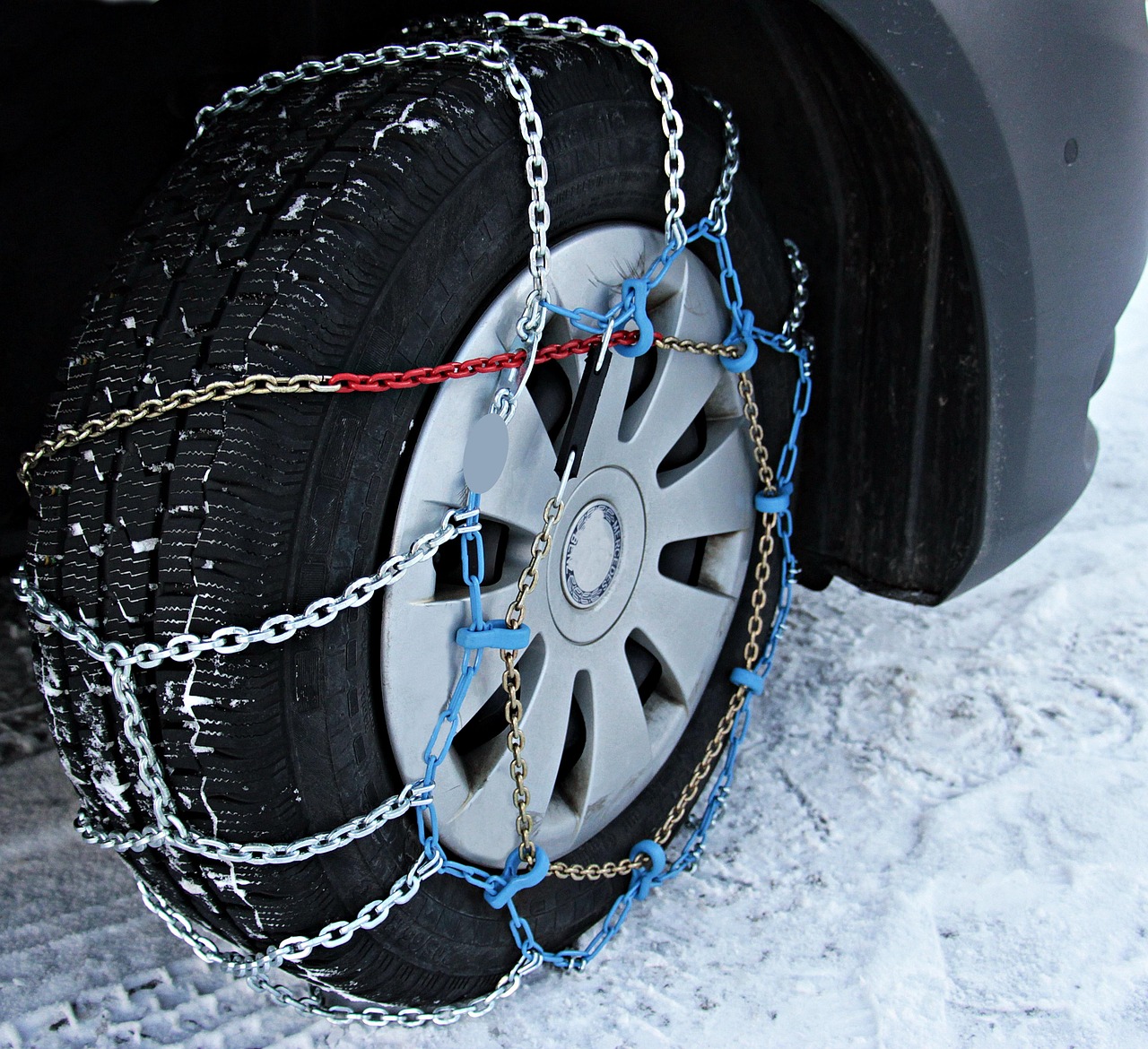
- Winter gear: Budget for true winter tires (not just M+S). Studded tires are legal in Alberta, and they help on icy rural roads. Many luxury models need pricier, larger‑diameter tires.
- Paint and glass protection: Alberta’s sand and gravel can pepper paint and windshields. Consider a clear paint‑protection film and glass coverage add‑ons.
- EV cold‑weather reality: Expect range drops in deep cold. Pre‑conditioning, heat pumps, and a Level 2 home charger make winter EV life far easier.
Alberta‑specific buying essentials
Know your rules and paperwork
- AMVIC matters: Dealers in Alberta are regulated by AMVIC. Review your purchase agreement carefully—there’s typically no cooling‑off period on vehicle sales here.
- Private sales: For a used luxury from a private seller, confirm the seller’s ID matches registration, get a signed bill of sale, and run a lien search through Alberta’s Personal Property Registry (PPR). Don’t rely on a vehicle history report alone.
- Out‑of‑province: Bringing a vehicle from another province? You’ll likely need an Out‑of‑Province (OOP) inspection before registration.
- Plates and insurance: In Alberta, plates stay with you (not the vehicle). You’ll need insurance and a bill of sale to transfer your plate within the required window.
Winter readiness checklist for luxury vehicles
- AWD calibration: Test AWD engagement and traction control on a safe, snowy surface if possible. Ensure winter tires are properly sized for your model.
- Block heater: Many luxury models include one; confirm function and cable. It’s a must‑have for reliable cold starts below ‑20°C.
- Advanced driver aids: Check that radar and camera sensors perform correctly in slush and road grime. Heated washer jets and wiper de‑icers are underrated heroes.
- Run‑flats vs. spare: Run‑flats are common, but rural driving might justify a spare and a roadside plan.
How to inspect and test‑drive a luxury vehicle in Alberta
Before you fall in love with the leather:
- Scan the tech: Pair your phone, test CarPlay/Android Auto, load navigation, and verify every camera view. Replaceable electronics are costly out of warranty.
- Drive a proper route: Include highway speeds, rough patches, and a few hard stops to listen for suspension knocks or brake vibrations.
- Check for winter wear: Look for salt build‑up in wheel arches, corrosion on underbody hardware, and pitting on the windshield. Alberta’s roads can be tough on finish and glass.
- Independent inspection: For used or private seller cars Alberta finds, book a pre‑purchase inspection with a technician familiar with the brand. A clean scan of control modules is non‑negotiable on modern luxury cars.
What’s trending: Models and segments winning in Alberta
High‑trim pickups and full‑size SUVs
Think of fully loaded domestic pickups and body‑on‑frame SUVs as Alberta’s unofficial luxury class. If you tow sleds or a camper, expect demand to stay strong—especially for torque‑rich diesels and advanced trailering tech.
Performance SUVs and crossovers
From German badges to Japanese luxury, performance SUVs pair family practicality with all‑weather grip. Demand tends to spike before and after the first big snowfall.
Premium EVs and PHEVs
Upscale EVs and plug‑in hybrids are gaining ground here, aided by quiet powertrains, one‑pedal driving, and heated everything. In deep winter, pre‑conditioning and home charging are the keys to happiness—and garage electrical upgrades should be part of your budget.
Marketplace realities: Where Alberta buyers are finding deals
Inventory has normalized at many dealers, but the best finds often surface online—especially when you’re flexible about colour and options. On any car marketplace Alberta shoppers trust, filters help you zero in on accident‑free history, warranty status, and winter packages. You’ll also see momentum in searches like new and used cars Edmonton and activity on a vehicle marketplace Edmonton feed; that’s normal even if you plan to buy elsewhere in the province.
At Driving With Us Auto Market, we list both new and used vehicles and run an open car marketplace where private sellers can post their rides. If you spot “the one” from a private seller, our team can help you line up financing and logistics so you don’t miss out while handling due diligence.
Financing for private sales and dealer buys
Whether you’re transacting with a dealer or a private owner, it’s the same car and the same road—so you deserve the same access to funding. Our financing partners support deals across Alberta, with options suited to business owners, first‑time luxury buyers, and families upgrading to safer SUVs. Compare offers, and remember you can get pre-approved before you even book a test drive.
Negotiation and timing tips in a rising luxury market
- Chase the changeover: When fresh new car releases hit, prior model years often see price pressure. If you love the “old” cockpit design, you can win on value.
- End‑of‑month/quarter: Dealers sometimes stretch for targets. This can translate into better trade values, accessory credits, or a more attractive payment.
- Bundle the winters: Aim to include winter tires on dedicated rims, all‑weather mats, and protection film. It’s often cheaper when negotiated up front.
- Cast a wider net: Don’t hesitate to search province‑wide. High‑demand specs pop up in unexpected places, and transport within Alberta is usually straightforward.
- Be inspection‑ready: If you’re bidding on a hot private listing, having your inspection shop pre‑booked for the next day can seal the deal.
Luxury EVs in Alberta: The cold‑truth short list
- Range drops in cold: Expect reduced range below ‑10°C. A heat pump helps; so does pre‑conditioning while plugged in.
- Home charging: A 240V Level 2 charger is practically mandatory for a smooth winter routine. Price in the electrician’s work.
- Winter tires still rule: Instant torque means you’ll want premium winters to actually use that power on ice.
- Road trips: Plan fast‑charging stops ahead of time and have a backup—rural Alberta spacing can be wide.
Smart protections for premium vehicles
- CPO or extended warranties: Complex electronics and air suspensions can be pricey. Coverage can pay for itself with one repair.
- Gap insurance: Consider it if you’re low down or on a long term—especially on high‑depreciation models.
- Theft deterrents: Secure garage, OBD locks, and GPS tracking are smart upgrades for higher‑profile models.
Quick Alberta checklist before you sign
- Confirm GST and, if applicable, federal Luxury Tax on builds over $100,000.
- Verify winter kit: true winter tires, block heater, remote start, and heated windshield elements.
- Run an Alberta PPR lien check for private purchases; match seller ID to registration.
- Book a brand‑savvy inspection and a module scan on used luxury vehicles.
- Factor premium fuel and insurance into monthly costs; request quotes before committing.
- Ask about accessories and protection add‑ons during negotiation, not after.
- Line up financing early—ideally get pre-approved—to move quickly on scarce specs.
The bottom line: Alberta’s luxury lift isn’t just hype
Between Alberta’s unique vehicle culture, improving inventory, and tech‑packed trims, premium models are earning their keep—even with economic headwinds. For shoppers, the opportunity is twofold: leverage competition among sellers and use data‑driven car buying tips to protect your budget. Watch vehicle trends and marketplace trends, compare offers on a trusted open car marketplace, and be ready to move when the right vehicle appears.
Driving With Us Auto Market connects Alberta buyers and sellers on one platform—dealers and private owners alike—and supports financing for both. Whether you’re scanning auto sales Edmonton headlines or scrolling rural listings after a long shift, we can help you make a luxury purchase that’s smart for winter, smart for your wallet, and smart for Alberta roads.
Need a head start?
- Get matched with lenders and get pre-approved.
- Compare terms, including $0 down car loans.
- If life threw you a curveball, explore bad credit car loans or car loans after bankruptcy.
Then focus on what matters: finding the right luxury vehicle for Alberta life—built for ice, gravel, big skies, and long highways.