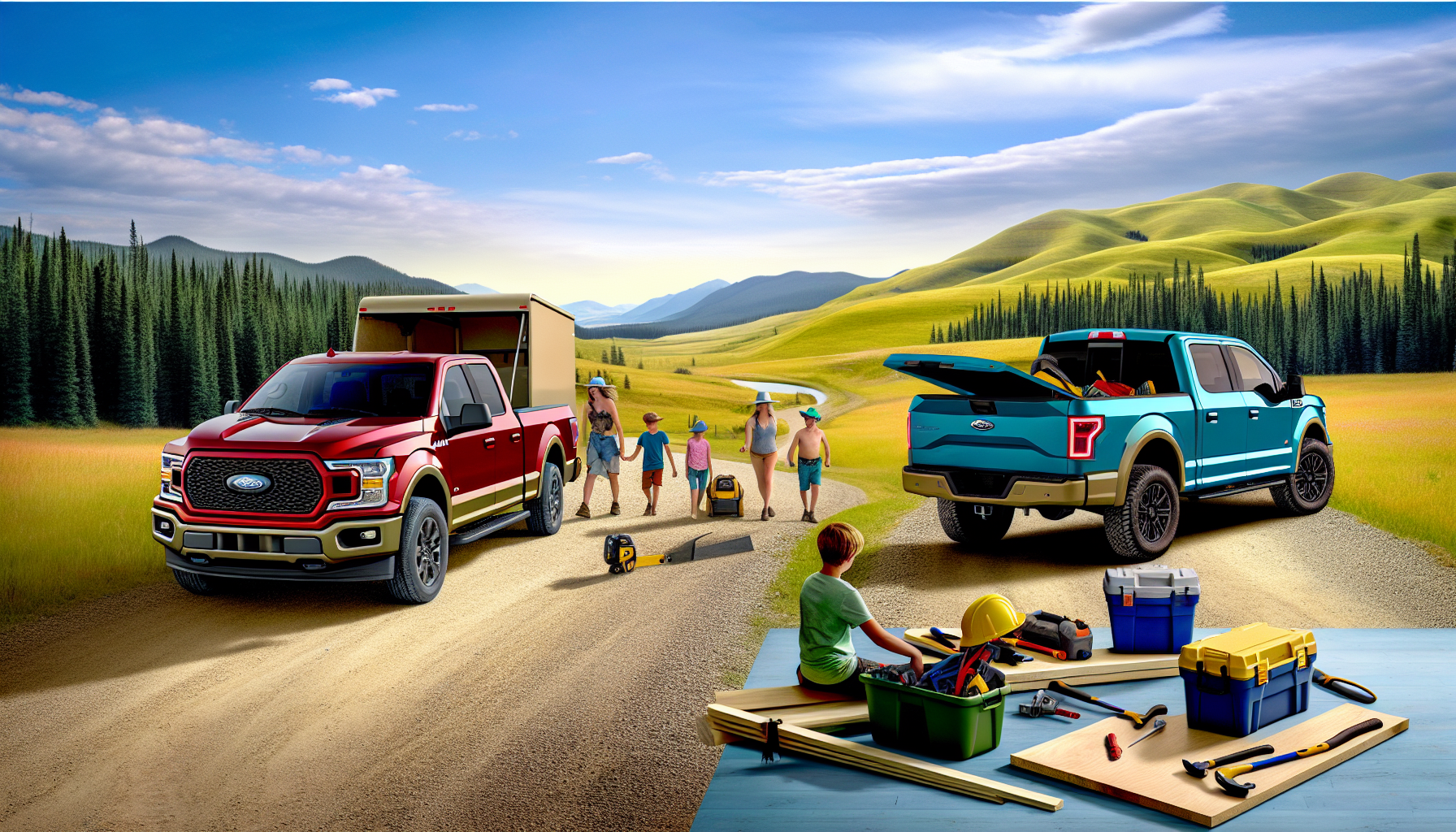
Mid-Size Truck Showdown: Built for Work and Weekends
Work boots on Friday, mountain boots by Sunday? Pick the right mid-size truck for Alberta.
If your weekdays are all about payloads and site runs, and your weekends are for towing the boat, hunting gear, or a pair of snowmobiles out to deep snow, a mid-size pickup hits the sweet spot. You get real 4x4 capability for Alberta winters, enough towing muscle for common trailers, and a cab/bed combo that still fits underground or street parking. The challenge? There are more strong contenders than ever—and the best choice depends on how you actually use your truck.
Why mid-size trucks make sense in Alberta
- Capability without excess: Most mid-sizers tow between roughly 5,000–7,700 lb and offer 1,400–1,700 lb payload—plenty for ATVs, sleds, landscaping gear, and small campers.
- Winter-friendly tech: 4x4 with low range, traction modes, heated everything, and factory block heaters are common on Canadian trims.
- Manageable size: Easier to maneuver downtown or on tight site access roads than a full-size; better visibility in traffic and on rutted leases.
- Efficiency: Turbo-fours and refined V6s often return better real-world L/100 km than bigger trucks—handy when your work takes you across long Alberta stretches.
How we compared these trucks
This is a real-world Alberta-focused auto comparison. We considered towing and payload, snow performance, off-road hardware, cabin comfort for long drives, and total cost of ownership. We also weighed reliability records, availability on the Alberta market (both new vs used cars), and resale value—because these trucks hold dollars differently out here.
The contenders: strengths and watch-outs
Toyota Tacoma (new generation)
Why it shines: The Tacoma’s reputation in Alberta is built on durability and resale. The latest generation adds modern tech, a punchy turbo powertrain, and serious factory off-road trims (TRD Off-Road, TRD Pro, and Trailhunter). If you’re bouncing between oil lease roads and logging access, the Tacoma’s crawl features, locking rear diff, and skid plating feel purpose-built. Toyota’s hybrid “i-FORCE MAX” option (on select trims) brings big low-end torque for towing and steep grades without the thirst of an old-school V6.
Keep in mind: Max towing is typically lower than some rivals (around the mid-6,000 lb range when properly equipped), and popular off-road trims can push the price up. If you need absolute tow max for a heavier cargo trailer, check the spec sheet carefully by cab, bed, and axle ratio.
Best for: Buyers who prioritize off-road control, long-term reliability, and resale value; contractors who value durability over headline tow figures.
Ford Ranger (current generation)
Why it shines: Strong towing (up to roughly 7,500 lb when configured right), a balanced ride, and quiet highway manners make the Ranger a prime Alberta commuter that still works weekends. Turbo power brings great altitude performance in the foothills. The interior tech and driver aids are modern without being intrusive.
Keep in mind: Towing and payload vary a lot by trim and options. If you’re eyeing the hardcore off-road variants, expect lower tow and payload ratings. As always, confirm the trailer package and brake controller are onboard before you sign.
Best for: Mixed work/play with frequent towing, and drivers who do big highway kilometres between towns.
Chevrolet Colorado
Why it shines: The 2.7L turbo-four (in multiple outputs) delivers diesel-like torque with gas convenience, and tow ratings can peak around 7,700 lb. The ZR2 is among the most capable factory off-road rigs in the segment—think long-travel suspension, lockers, and serious clearance. Interior storage and the tech interface are friendly when you’re gloved up in -25°C.
Keep in mind: Off-road trims reduce payload and tow capacity. Some owners report a firmer ride on aggressive tire packages. As with all turbo engines, stick to maintenance intervals—especially oil changes—when you run long and cold.
Best for: Drivers who want maximum towing in a mid-size and Alberta-ready off-road chops in one package.
GMC Canyon
Why it shines: Essentially a more upscale Colorado with similar turbo torque and towing, plus premium interior touches. The AT4X variant is a serious off-road machine with a comfortable cabin for long stints between sites and trailheads.
Keep in mind: You’ll generally pay more for the GMC badge and features versus comparable Colorados. Double-check tire packages if you prioritize winter ice performance over off-road traction.
Best for: Alberta drivers who want ZR2-level off-road hardware with a more refined daily drive.
Nissan Frontier
Why it shines: A straightforward, naturally aspirated V6 and 9-speed auto bring simplicity—and that’s a selling point when you rack up cold starts. The Pro-4X trim adds Bilstein shocks, skid plates, and an electronic diff lock for legitimate off-road use. On the used market, the Frontier often undercuts rivals while delivering solid capability.
Keep in mind: Fuel economy trails some turbo-four competitors. Towing generally tops out in the mid-6,000 lb zone, so confirm your trailer weights.
Best for: Value hunters and buyers who want a tough, low-drama setup that’s easy to live with in Alberta winters.
Honda Ridgeline
Why it shines: The most comfortable daily driver in the segment. Unibody construction rides like an SUV, the bed trunk is brilliant for winter gear, and the dual-action tailgate is great for job site access. Real-time AWD is excellent on icy paved roads, and cabin ergonomics shine on longer highway hauls.
Keep in mind: Towing is typically capped at around 5,000 lb and ground clearance isn’t in the rock-crawler class. If your work takes you into deep ruts or you’re towing a heavier enclosed trailer, look elsewhere.
Best for: Alberta drivers who prioritize comfort and smart storage over hardcore off-roading—think on-road winter reliability, ski trips, and light-duty jobs.
Jeep Gladiator
Why it shines: It’s a Wrangler with a box—removable top and doors, serious 4x4 hardware, and excellent approach/departure angles. Properly equipped, towing can land in the 7,000–7,700 lb ballpark. If your Alberta weekends are pure backcountry and your weekdays involve lighter payloads, nothing compares for trail access.
Keep in mind: Fuel economy and wind noise are trade-offs. Ride comfort is more truckish, and pricing for Rubicon-level hardware can climb quickly.
Best for: Off-road-first buyers who still need pickup utility and legit tow ratings.
Alberta-specific buying checklist
1) Match tow and payload to the real world
- Know your actual trailer weights (sled trailer vs. enclosed work trailer). Include fuel, tools, and tongue weight.
- Ask for the truck’s door jamb payload and official tow rating for that VIN—cab/bed, axle ratio, and tire package matter.
- Plan for winter: snow adds drag, and cold air can change boost response on turbo engines. Leave headroom.
2) Winter gear that pays for itself
- Block heater and remote start: Many Canadian-market trucks include a block heater; confirm the cord and test the outlet. Remote start is a game-changer at -30°C.
- Heated seats and wheel: Not just comfort—warm hands improve control on icy mornings.
- All-weather mats and spray-in bedliner: Slush happens. Protect the cabin and the box.
- 3PMSF winter tires: Dedicated winters reduce stopping distances dramatically on ice, even with 4x4.
3) Off-road and site access priorities
- Locking rear differential: Essential for rutted lease roads and steep, snowy access.
- Skid plates and tow points: Alberta gravel is no joke—protect oil pans and diffs, and ensure you can be recovered safely.
- Ground clearance and sidewall: Taller sidewalls resist sharp rock cuts better than low-profile all-terrains.
4) New vs used trucks in Alberta
- Used advantages: Lower buy-in and plenty of well-kept contractor rigs. Search terms like “new and used cars Edmonton” or “auto sales Edmonton” might surface lots, but cast the net province-wide to get the best selection.
- Used cautions: Inspect frames for corrosion from salted highways, check for bed sag from heavy payloads, and scan for off-road rash (skid plates, control arms, rocker panels).
- Service records: Turbo engines love fresh oil—ask for receipts. Verify recalls are closed.
- Test in the cold: If you can, cold-start the truck. Listen for belt squeal, check charging voltage, and confirm HVAC performance.
Head-to-head recommendations
- Best overall for Alberta balance: Toyota Tacoma TRD Off-Road or Trailhunter—rock-solid capability, smart tech, and resale that softens long-term cost.
- Best towing in a mid-size: Chevrolet Colorado (High Output) or GMC Canyon with tow package—check for integrated brake controller and bigger cooling.
- Best daily driver: Honda Ridgeline—unbeatable ride, superb winter manners on pavement, stellar in-bed trunk.
- Best off-road-first: Jeep Gladiator Rubicon or Colorado ZR2/GMC AT4X—true trail capability with usable beds.
- Best value used buy: Nissan Frontier Pro-4X—simple, tough, and often more affordable on the Alberta market.
- Wildcard worth a look: Ford Ranger—tow-friendly, tech-forward, and a highway cruiser when you burn kilometres between sites.
Financing and budget tips for Alberta truck buyers
Contractor cash flow, seasonal work, and long distances can make budgets tricky. A few car buying tips to keep your plan realistic:
- Start with a real number: Factor insurance, winter tires, maintenance, and fuel for your typical weekly route. Then get pre-approved so you’re comparing trucks you can truly afford.
- Keep working capital: If you’d rather keep cash for tools and materials, consider $0 down car loans on strong-credit applications.
- Credit not perfect? Building or rebuilding credit doesn’t have to delay your work rig. Explore bad credit car loans structured for stable, on-time payments.
- Self-employed? Income verification can be messy when you’re invoicing per job. We regularly arrange self-employed car loans using bank statements or NOAs instead of a traditional T4.
New to Canada and starting fresh? There are programs designed to help you get on the road quickly with fair terms; ask about car loans for new immigrants tailored to limited credit history.
Shopping smart across Alberta
Whether you’re browsing a car marketplace in Alberta, scrolling a vehicle marketplace in Edmonton listings, or checking roadside “For Sale” signs out in the country, cast a wide net. On our end, Driving With Us Auto Market helps buyers and sellers across the province in two ways:
- New and used: We stock both, so you can do a true side-by-side car comparison and vehicle review without bouncing between multiple sellers.
- Open marketplace: Our open car marketplace lets private sellers list trucks, and we can arrange financing on those private seller cars in Alberta too—so you’re not limited to dealer inventory.
If you’re juggling trucks from a few sources, we’re happy to do an unbiased auto comparison, including total cost of ownership (tax, fees, accessories, financing) so you see the real difference on paper before you commit.
Trim and options: what Alberta buyers actually use
Cab and bed
- Crew cab (four full doors): Best for family and crew transport, plus secure interior storage when the wind is howling.
- Long bed (6’+): Worth it if you haul lumber or sled decks. Just remember your parking and garage clearances.
Tow packages
- Factory integrated brake controller and 7-pin wiring save you headaches.
- Upgraded cooling and alternators help when you tow up steep grades in the cold.
Off-road gear vs. payload
- Lifted suspensions and larger tires look great, but they reduce payload and towing. If you carry palletized materials, confirm the door jamb payload after mods.
- Skid plates, recovery points, and an e-locker add confidence without a huge payload penalty.
Comfort that pays back
- Adaptive cruise takes the edge off long winter drives between towns.
- Heated mirrors and wiper de-icers are small options that prevent big annoyances.
- All-weather seat fabrics and vinyl floors survive slush and job site grime.
Maintenance and protection for Alberta conditions
- Underbody protection: Consider rustproofing if you run Highway 2, 16, or the QEII corridor in winter. Road spray and brine take a toll.
- Fluid intervals: Cold starts are hard on oil. Stick to severe-service schedules, especially on turbo engines.
- Battery and block heater: Replace older batteries proactively before a deep freeze. Test your block heater annually.
- Spare and recovery: Carry a full-size spare, proper jack, shovel, traction boards, and soft shackles. Alberta shoulders can be icy and soft in the same week.
Used truck inspection tips (DIY and professional)
- Frame and suspension: Look for fresh undercoating over rust (red flag), bent skid plates, cracked CV boots, and seepage around shocks.
- Powertrain: On turbo gas engines, listen for cold-start rattles and check for TSBs or software updates. On V6s, confirm timing chain service history if applicable.
- Electrical and heaters: Test heated seats, steering wheel, window defrost, and block heater cord. A weak alternator shows up fast in winter.
- Driveline: Engage 4-High and 4-Low on gravel; feel for binding or hesitation.
- Telematics and cameras: Salt can fog or corrode sensors—make sure safety tech works before you buy.
Who should pick what? Quick Alberta scenarios
- Contractor with a small enclosed trailer and daily site hops: Ford Ranger or Chevy Colorado/GMC Canyon with factory tow package. Add winter tires and a spray-in liner.
- Weekend warrior hitting forestry roads and ski hills: Toyota Tacoma TRD Off-Road with a tonneau cover, recovery kit, and block heater.
- Family-first driver who tows a fishing boat a few weekends a year: Honda Ridgeline with winter tires and rubber mats; enjoy the ride all week.
- Backcountry hunter/angler who wants open-air fun: Jeep Gladiator with all-terrains, skid plates, and a bed rack.
- Budget-focused buyer wanting rugged and simple: Nissan Frontier Pro-4X used; invest the savings in tires and maintenance.
Price, resale, and total cost of ownership
In Alberta, trucks hold value well—especially Toyota Tacoma and off-road-specialist trims (ZR2, AT4X, Rubicon). That can make the new-vs-used decision tricky. If resale is key, paying a bit more upfront for a high-demand trim may net out when you sell. If your plan is to keep the truck long enough to amortize the purchase, a value-driven used Frontier or a lightly used Ranger can be a sharp play.
Remember to compare interest rates and terms side by side. For many buyers, the monthly line is the deciding factor—compare offers apples-to-apples across lenders. If you’re shopping both dealership inventory and private seller cars across Alberta, lenders that support private sales give you more choice without sacrificing protection. That’s a big advantage of working with an open marketplace that finances both paths.
Putting it all together
There isn’t a single “best” mid-size truck—there’s the best one for your Alberta life. If you’re maxing out towing and still want mid-size agility, lean Colorado/Canyon or Ranger. If you split weeks between sites and the backcountry, the Tacoma’s trail tech and reliability are hard to beat. If comfort is king and your trailer’s light, the Ridgeline is hands-down the nicest to live with. And if your weekends are pure adventure, the Gladiator turns the whole province into a playground.
When you’re ready to compare real trucks side by side, browse widely—dealers, private listings, and open marketplaces. At Driving With Us Auto Market, we list both new and used vehicles and host an open marketplace for private sellers across the province. We also arrange financing for dealership purchases and private sales, so you can shop the whole Alberta market with one approval. If you want a head start, you can get pre-approved in minutes and focus on the fun part: test drives in the trucks that fit your work and your weekends.
FAQ: Quick hits for Alberta buyers
Do I really need 4x4?
Yes, if you drive in Alberta winters outside perfectly cleared roads—or tow. 4x4 helps you get moving and maintain control on packed snow and ice.
Can a mid-size handle my sled trailer?
Most two-place enclosed sled trailers, fully loaded, sit within mid-size tow ranges—just check the weight sticker and your truck’s VIN-specific rating. Add a brake controller if required.
Turbo-four vs V6 in the cold?
Both work in Alberta. Turbo-fours deliver great torque and altitude performance; just keep oil changes on schedule. V6s are simple and strong but can drink a bit more fuel.
What about searches like “vehicle marketplace Edmonton” or “new and used cars Edmonton”?
They’ll surface lots of inventory, but the best deal might be elsewhere in the province. Use a car marketplace in Alberta that lets you compare listings province-wide and supports financing for private sales, too.
Pro tip: Keep a winter kit in any mid-size truck you buy—booster pack, tow strap, candles, gloves, and a small shovel. Alberta weather is unforgiving, but the right prep and the right truck make every workday and every weekend better.