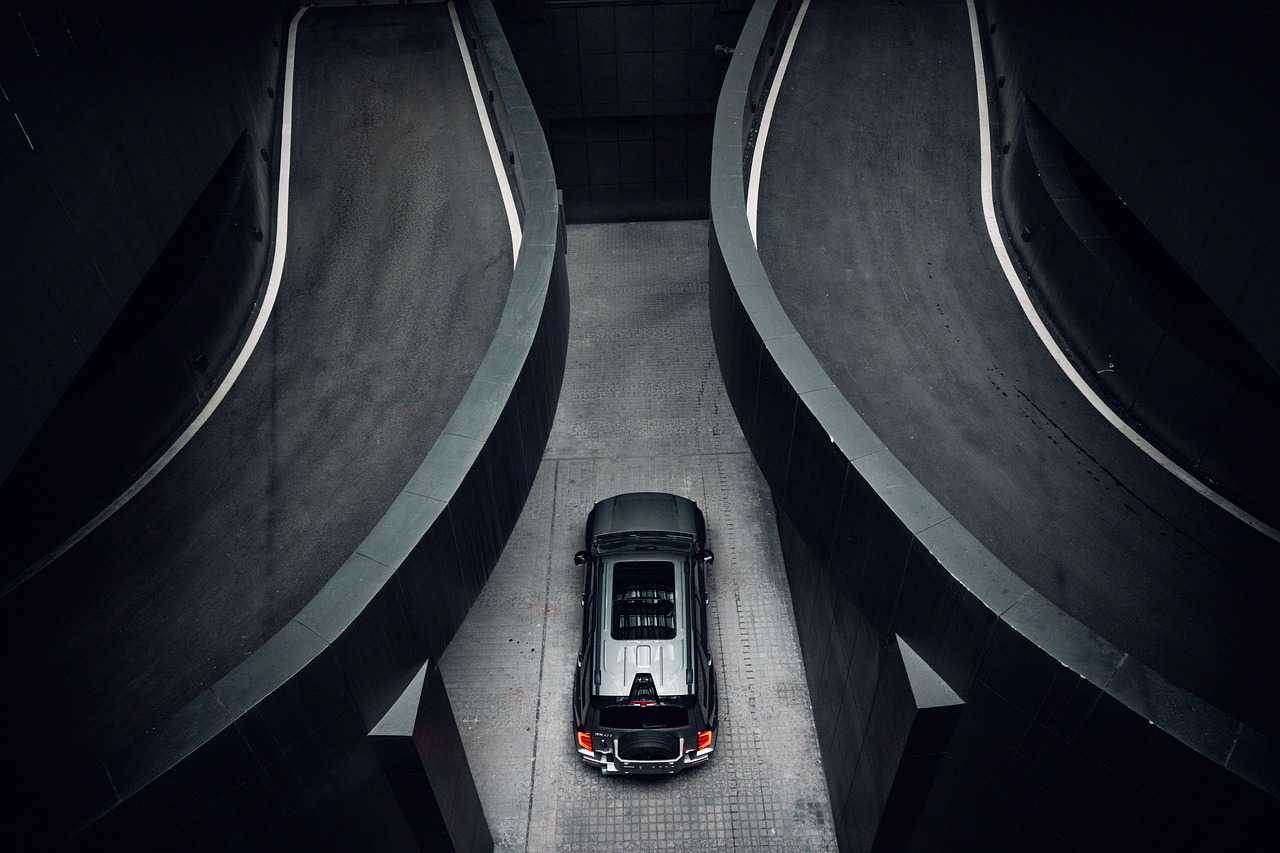
Model Y vs Mustang Mach‑E: Electric SUV Showdown
Two Heavyweights, One Prairie: Which EV SUV Fits Alberta Best?
Picture this: a February morning at -28°C, a wind gust ripping across the open prairie, and a fresh layer of hard-packed snow on the highway. You want an electric SUV that starts warm, tracks straight on rutted lanes, and still has enough range to make the next fast charger. Between the Tesla Model Y and Ford Mustang Mach‑E, which one actually delivers for Alberta life?
This isn’t a spec-sheet arm-wrestle. It’s an Alberta-focused auto comparison with practical advice you can use—how each handles winter, what charging really looks like here, and which trims fit our roads, climate, and budgets.
Quick Verdict for Alberta Drivers
If you need the broadest charging coverage and top efficiency in cold weather, the Tesla Model Y holds the edge—particularly for rural driving and regular highway trips. If you want a more traditional interior, Apple CarPlay/Android Auto, and a strong dealership network, the Ford Mustang Mach‑E is a fantastic daily driver that shines in city-to-suburb commutes and family duty.
- Choose Model Y if you regularly travel long distances on Hwy 1, 2, or 16, value seamless fast charging, and want outstanding cargo space with strong winter efficiency.
- Choose Mach‑E if you prefer a familiar cockpit with SYNC 4A and smartphone mirroring, like Ford's service footprint across Alberta, and mainly drive urban/suburban routes with occasional highway trips.
Specs That Matter in Alberta (At a Glance)
Exact numbers vary by year and trim, but here’s what typically matters to Alberta drivers:
- Range (NRCan-estimated): Model Y Long Range AWD often lands around the high-400s to low-500s km; Performance trims lower. Mustang Mach‑E Extended Range AWD can approach the 500‑km ballpark, while Standard Range trims are notably less.
- Charging Peak: Model Y can hit up to ~250 kW at compatible Superchargers; Mach‑E typically peaks ~150–170 kW on CCS fast chargers (site-dependent).
- Ground Clearance: Model Y rides a bit higher, helpful for windrows and unplowed approaches; Mach‑E sits lower, which can be fine but requires more cautious approach angles.
- Cargo: Model Y is cavernous for an EV SUV, with a large hatch and deep underfloor storage; Mach‑E is generous but not as massive. Both have usable frunks.
- Towing: Model Y is rated up to 1,588 kg (3,500 lb) when properly equipped. Mach‑E tow capabilities vary by market and trim; many Canadian configurations are limited or not rated—check the owner’s manual and your specific VIN.
Always verify the exact specs for your model year and wheel/tire setup—winter wheels and bigger performance tires can impact range and clearance.
Range and Winter Performance
Cold Weather Reality Check
No matter the brand, cold weather range takes a hit. In Alberta winter conditions, expect a 20–40% range reduction depending on temperature, wind, speed, HVAC use, and tire choice. That makes thermal management and preconditioning crucial.
- Tesla Model Y: Known for efficient drivetrains and a heat-pump-based HVAC system on recent Canadian models. Cabin preconditioning and battery warming are well-integrated, which helps preserve range on deep-cold mornings.
- Ford Mustang Mach‑E: Uses liquid thermal management and continuous software improvements for cold-weather performance. Newer builds and software versions can perform notably better than early models; verify you’re on the latest OTA update.
Practical Alberta Tips for Range
- Start warm: Preheat while plugged in. Both vehicles offer scheduled departure features; this keeps your battery and cabin ready without burning driving range.
- Consider 18–19 inch winter wheels: Narrower, higher-profile winter tires roll easier and add comfort on chatter-bumpy winter roads.
- Use seat and wheel heaters: They draw less energy than cranking the cabin temp.
- Reduce roof rack use when not needed: Racks and boxes sap range, especially at highway speeds in winter headwinds.
- Plan for worst-case: If your commute is 150 km round-trip, buy the trim that can do 250–300 km comfortably in cold snaps.
Charging Across Alberta
Public Fast Charging
On the big corridors (Trans‑Canada Hwy 1, Hwy 2, and Hwy 16), you’ll find growing CCS networks from Petro‑Canada, FLO, Shell Recharge, and Electrify Canada, with sites ranging from 50 kW to 350 kW. Coverage continues to improve on routes toward the foothills and the northeast resource corridors, but spacing between chargers can still be wide—plan accordingly in winter.
- Tesla Model Y: The Supercharger network is extensive and typically reliable across main Alberta corridors. Plug-and-charge ease is a major advantage for long trips.
- Ford Mustang Mach‑E: CCS charging is widespread in towns and along highways. Peak rates around 150–170 kW are solid; your actual session speed depends on charger health, temp, and battery preconditioning.
Home Charging
Most Alberta homes can accommodate a 240V Level 2 charger (often 32–48A). Budget for a dedicated circuit and a proper install by a licensed electrician—don’t rely on old block-heater outlets. A 40A Level 2 unit typically adds 30–40 km of range per hour overnight, which easily covers daily driving.
- Utility plans: Fixed-rate electricity plans can bring cost predictability through winter. Time-of-use isn’t province-wide yet, but charging overnight generally aligns with lower load.
- Garage warmth: Even a lightly heated or insulated garage helps reduce range loss and speeds up preconditioning.
Driving and Handling on Alberta Roads
Both SUVs feel planted, quick, and far more refined than most gas crossovers. Differences show up when the weather turns and the roads get rough:
- Model Y: Precise steering and a slightly firmer ride on larger wheels. With proper winter tires, traction off the line is confident. Its higher ground clearance helps with rutted alleys, windrows, and the occasional unplowed driveway.
- Mach‑E: Comfortable and composed. All-wheel-drive versions are sure-footed, and the chassis feels balanced. The lower stance can scrape on deep windrows; choose winter tires with a bit more sidewall and take approaches slowly.
For either model, winter tire choice transforms the experience. Look for 3PMSF-rated, EV-friendly compounds (e.g., Michelin X‑Ice, Nokian Hakkapeliitta, Bridgestone Blizzak). If your commute includes lots of gravel or chipseal, choose a tougher tire carcass and consider mud flaps and a partial paint-protection film to shield rocker panels from stone spray.
Interior, Space, and Family Life
- Space: Model Y is the cargo king, with a deep rear well and more overall volume. Handy if you haul hockey gear, strollers, or a foldable ice-fishing sled. Mach‑E has plenty of room for a small family, but the Y makes bulky loads easier.
- Seats and heat: Both offer heated front seats; many trims add heated rear seats and a heated steering wheel—must-haves for Alberta. Confirm these packages on used examples.
- Visibility and snow: Large glass gets cold. Keep soft microfiber towels handy and use the rear defogger early.
Tech and Driver Assistance
- Infotainment: Tesla runs a sleek, single-screen system with baked-in apps. No Apple CarPlay/Android Auto. Ford’s SYNC 4A offers wireless Apple CarPlay/Android Auto, which many owners love for podcasts and maps.
- Driver assistance: Tesla Autopilot is standard with optional upgrades. Ford BlueCruise enables certified hands-free driving on many divided highways (subscription after trial). In winter, both systems rely on clean cameras and sensors—keep them clear of slush and ice.
- OTA updates: Both brands push over-the-air improvements. Check software version and update history when buying used.
Ownership Costs in Alberta
Insurance
EV insurance can be comparable to similar gas crossovers, but glass coverage is worth a look—Alberta highways can be tough on windshields. Advanced driver-assistance sensors can increase repair costs; confirm your deductible and glass endorsements.
Maintenance
- No oil changes, but plan for cabin filters, brake fluid checks, and tire rotations (every 8,000–10,000 km is a good rule).
- Battery health: Occasional DC fast charging is fine; frequent high-power sessions in extreme cold or heat can accelerate wear—balance with home charging.
Energy Costs
- Electricity vs. gas: Even with winter heaters running, most Alberta EV owners pay less per km than a comparable gas SUV. Charging at home overnight is the biggest saver.
- Public fast charging: Great for road trips or condo living, but pricier than home rates—budget for it if you frequently travel long distances.
New vs Used: What Makes Sense Here?
Price changes and incentives have shifted the market for both vehicles. Depending on model year and trim, new purchases may be surprisingly competitive with lightly used units—especially if federal incentives apply.
- Federal iZEV incentive: Up to $5,000 on eligible trims that meet the MSRP cap. Availability changes; verify current eligibility for the exact configuration.
- No province-wide EV rebate in Alberta: Factor that into total cost of ownership.
- Used value swings: Tesla pricing adjustments and year-over-year updates mean used Model Y values can move quickly. Mach‑E depreciation has sometimes been steeper, creating potential bargains on the used market.
Used-Buy Checklist (Both Models)
- Battery and charging: Review the car’s DC fast-charging history if available. Ask for recent range figures at 100% and common charge settings. A third-party pre-purchase inspection (including a battery report where possible) is smart money.
- Software and recalls: Confirm OTA updates are current and all recalls/campaigns completed.
- Winter wear: Inspect underbody trays, wheel wells, and suspension components for chip damage and corrosion from sand/grit.
- Tires and wheels: Verify true winter tires if the seller claims them. Check for even wear; mismatched sets suggest alignment issues.
- Charging gear: Ensure the mobile connector and any wall unit are included and functional. If the vehicle needs adapters for certain networks, budget accordingly.
Shopping Smart in Alberta’s Market
If you’ve been searching online for terms like “new and used cars Edmonton,” “auto sales Edmonton,” or browsing a vehicle marketplace Edmonton, you’ve probably noticed plenty of Model Y and Mach‑E listings across the province. In a broad car marketplace Alberta environment, selection moves fast when the good ones hit.
Driving With Us Auto Market supports multiple ways to shop:
- Dealership inventory: We carry both new and used vehicles, so you can compare trims and model years side by side.
- Open marketplace: Our open car marketplace connects buyers and sellers, including private seller cars Alberta-wide, with tools to help you evaluate listings.
- Financing: We provide vehicle financing Canada-wide for both dealership purchases and private-sale transactions, so you’re covered whichever path you choose.
Whether you prefer a traditional dealer experience or want to scout private listings, having options helps you land the right EV at the right price.
Trim and Option Advice for Alberta
Tesla Model Y
- Long Range AWD: The sweet spot for range, road trips, and winter headroom.
- Performance: Fun but trades some ride comfort and winter range; consider downsizing to winter wheels for cold months.
- Must-have features: Heated steering wheel and rear seats (common on recent Canadian models), heated wipers or de-ice strategies, and a proper winter tire package.
Ford Mustang Mach‑E
- Extended Range AWD: Best for winter margin and longer highway drives.
- Premium/Select trims: SYNC 4A with wireless CarPlay/Android Auto is a big win for daily life.
- Must-have features: Cold-weather package with heated seats/steering wheel, driver-assist packages (for highway commuting), and a winter wheel/tire setup.
Test-Drive Checklist (Alberta Edition)
- Heater performance: From a cold start, how quickly does the cabin warm? Do the defrosters clear glass fast?
- Winter NVH: On coarse chipseal, listen for rattles and wind noise. EVs are quiet, so small noises stand out.
- Ride quality: Hit a few expansion joints and rough patches—ensure the suspension feels tight, not crashy.
- Driver assists: Try adaptive cruise and lane centering on a divided highway stretch. Confirm the system behaves predictably and cameras/radar aren’t easily fouled.
- Charging behavior: If possible, plug into a local DC fast charger for a few minutes to confirm handshake, speeds, and preconditioning behaviors.
Service and Support in the Province
- Tesla: Mobile service covers much of Alberta, and Supercharger sites are robust on main corridors. If you’re far from the nearest service hub, confirm mobile availability for common fixes.
- Ford: A broad dealer network can be reassuring, especially for conventional service items, glass, and tires. For EV-specific issues, ask your local dealer about Mach‑E technician availability.
Safety, Warranty, and Resale
- Safety: Both test well with modern driver aids. Winter traction hinges on quality tires more than badges—budget accordingly.
- Warranty: Tesla typically offers a 4‑year/80,000‑km basic warranty and 8‑year battery/drive unit coverage with varying km limits by trim. Ford generally offers a 3‑year/60,000‑km basic warranty and 8‑year/160,000‑km EV component coverage. Verify for your VIN and year.
- Resale: Model Y demand and Tesla pricing swings can buoy or dip values quickly. Mach‑E depreciation may create strong used opportunities. Maintain records and keep winter wheels to help resale.
Which One Should You Buy?
For many Alberta drivers who rack up highway kilometers and want stress-free fast charging, the Tesla Model Y is the safer bet. It’s efficient, spacious, and pairs beautifully with the Supercharger network.
If you prioritize a traditional interface, smartphone mirroring, and the peace of mind of a wide dealer network, the Ford Mustang Mach‑E feels familiar and remarkably polished. Equip it with an Extended Range battery and a solid winter tire set, and it’s a confident year-round family hauler.
Bottom Line and Next Steps
Here’s how to decide in under a minute:
- Frequent long highway trips in winter? Model Y Long Range AWD.
- Daily commuting with weekend drives, love Apple CarPlay/Android Auto? Mach‑E Extended Range AWD.
- Haul lots of gear or need towing? Model Y has the advantage—confirm your configuration.
- Want the best value play in the used market? Compare similarly equipped Mach‑E listings; you may find standout pricing.
Ready to compare real vehicles side by side? At Driving With Us Auto Market, you can browse dealership stock and private listings in one place via our open marketplace, then line up test drives. If you’re torn between new vs used cars, our team can break down total ownership costs and quote financing for either route—dealer or private sale—so you can buy with confidence.
Whichever you choose—Model Y or Mach‑E—set it up for success in Alberta: proper winter tires, sensible wheel sizes, smart use of preconditioning, and a reliable home charger. Do that, and winter becomes just another season to enjoy the quiet, instant torque of a well-sorted electric SUV.