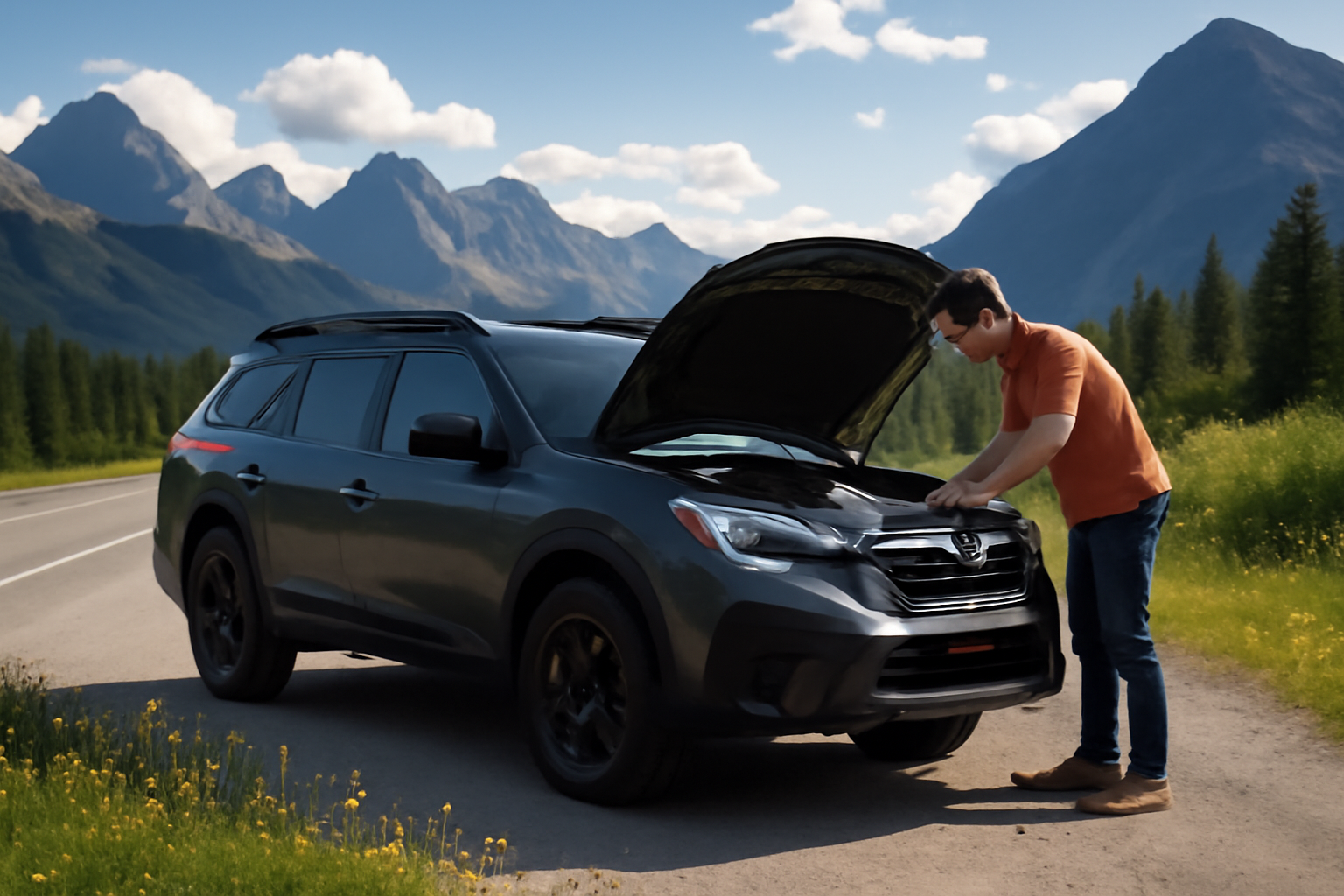
Ready for the Open Road: Alberta’s 15‑Point Summer Check
That summer road trip feeling: windows down, playlists up—and no surprises
You know that sinking feeling when a warning light pops on just as the highway thins out and the next town is 80 km away? Alberta’s summer season is built for big drives—mountain passes, prairie sunsets, lake weekends—but it also tests your vehicle. Heat, dust, construction, gravel detours, and wildlife can expose weak components fast. A focused pre-trip check keeps your plans on track and your budget intact.
Here’s a 15-point, Alberta-specific inspection you can do over a weekend. If you spot anything beyond your comfort zone, book a trusted shop before peak travel hits. If you’re also thinking about upgrading your ride ahead of summer, we’ll touch on smart buying moves and financing options that won’t hijack your vacation fund.
Why a summer-specific check matters in Alberta
Winter gets the spotlight, but Alberta’s summer conditions are just as demanding:
- Heat and altitude: Long climbs plus hot days stress cooling systems, batteries, and transmission/driveline fluids.
- Construction season: Fresh chip seal, loose gravel, and lane shifts can chew up tires and windshields.
- Wildfire smoke and dust: Cabin air filters and HVAC components work overtime.
- Wildlife movement: Dawn/dusk driving increases collision risk; lighting and brakes matter.
- Hail and sudden storms: Visibility and glass condition become safety issues.
Your Alberta 15‑Point Summer Inspection Checklist
1) Tires: tread, pressure, and spare readiness
Switch off worn winter rubber and avoid running aggressive winters all summer—soft compounds overheat and wear quickly. Check:
- Tread depth: Aim for 4 mm+ for wet grip. Watch for shoulder wear (alignment) and cupping (suspension).
- Pressure: Set to the door-sticker spec when tires are cool. Heat and altitude will raise pressures; don’t bleed them hot.
- Spare & tools: Verify spare pressure, jack, wrench, and lock key. For repair kits, check sealant expiry and 12V compressor operation.
- Gravel detours: If you’ll see lots of chip seal, consider light‑truck (LT) or higher‑load tires for SUVs/trucks to resist punctures.
2) Brakes: pads, rotors, and pedal feel
Heat and long downhill grades demand confidence. Listen for squeals, feel for vibration under braking, and check rotor condition through the wheel spokes. If the pedal feels soft, have fluid moisture tested and consider a flush—water content raises boiling risk on mountain descents.
3) Battery and charging: heat is a silent killer
Alberta winters are hard on batteries, but summer heat accelerates internal wear. Have a shop load‑test the battery and verify alternator output. Clean terminals and ensure your emergency kit has booster cables or a charged jump pack—especially handy at remote trailheads.
4) Cooling system: keep your temp needle steady
Pop the hood (engine cool) and inspect:
- Coolant level and mix: Top up with the correct spec only—don’t mix types. Look for stains around hose clamps and the water pump.
- Radiator & condenser fins: Gently hose off bugs/debris from the front stack to restore airflow.
- Hoses & clamps: Squeeze for softness or cracking. Replace if spongy or oil-soaked.
- Fans: Confirm both low and high speeds engage with A/C on.
5) A/C performance and cabin air filter (wildfire/smoke edition)
Measure vent temps with a cheap thermometer; you should see a big drop from ambient after a few minutes. Weak cooling? You might need a refrigerant check or condenser cleaning. Replace the cabin air filter—choose a charcoal/HEPA style if smoke is expected. Recirculation mode can help with smoke and dust, but watch for fogging and keep fresh air cycling occasionally to prevent drowsiness.
6) Engine oil and filters
Hot weather, high RPM climbs, and towing all punish oil. If you’re near your interval, change it early with the correct viscosity. Hard summer driving can justify the severe‑service schedule from your owner’s manual.
7) Transmission, transfer case, and differentials
Heat kills ATF and gear oil, especially when towing or tackling long grades. If you’ve never changed these fluids and you’re planning a heavy summer, consider fresh fluid now. For manual transmissions, verify clutch bite and fluid level. AWD/4x4? Check transfer case and both diffs for leaks or overdue intervals.
8) Steering, suspension, and alignment
Frost heaves and potholes knock things out of spec. Signs you need an alignment or component check:
- Steering wheel off‑centre or the car drifts on a straight road
- Clunks over bumps or floaty highway feel (worn struts/shocks)
- Uneven tire wear after a winter on rough roads
Going to load the vehicle with camping gear or bikes? A small rear sag is normal, but excessive squat suggests weak springs or overloaded cargo.
9) Windshield, wipers, and washer system
Bugs, dust, and sudden showers demand top visibility. Replace streaky blades and fill with summer washer fluid (bug‑removing formula). Alberta chip season is real—repair small chips promptly before heat turns them into cracks. Keep a microfiber towel and glass cleaner handy for sunscreen and kid smudges. If you’ve added tint, ensure it meets Alberta rules for front windows and windshield strip to avoid tickets.
10) Lights, signals, and trailer wiring
Check all exterior lights including daytime running lights, high beams, and plate illumination. Clean foggy headlight lenses with a restoration kit if output is poor. Towing? Verify 4‑pin/7‑pin connections, break/turn signals, and running lights on the trailer. Carry spare fuses and a basic test light—dust and water at campsites can corrode connectors fast.
11) Belts and underhood inspection
Look over the serpentine belt for cracking, glazing, or frayed edges. Spin idler/tensioner pulleys for noise. If your timing belt is due by time or kilometres, do it before the trip—this is one you don’t roll the dice on.
12) Fuel system and range planning
Top up before remote stretches and wildfire detours. Keep a safe buffer when stations are sparse. If your vehicle requires premium (common on some turbo engines), don’t downgrade for price—high load and heat amplify knock risk. Consider a quality fuel system cleaner if idle is rough or mileage has dipped, and replace the engine air filter if it’s dusty from backroads.
13) Cargo management, racks, and towing basics
Overloading is the fastest way to ruin handling and braking. Verify these ratings on your door sticker and hitch:
- GVWR and payload: The total your vehicle can carry (people + gear + tongue weight).
- Roof load limit: Don’t exceed it with boxes or kayaks. Heavier roof loads raise your centre of gravity.
- Hitch class and tongue weight: Use the right ball size, torque it properly, and level the trailer. Distribute weight so about 10% of trailer mass is on the tongue (check your manual).
Alberta requires proper lighting and safety chains; many trailers need functional brakes once they exceed certain weights—check provincial regs for your setup. Test the breakaway cable, verify tire pressures on the trailer, and bring a torque wrench for lug checks after the first 50–100 km.
14) Emergency kit and summer add‑ons
Build or update a kit that suits Alberta’s long distances:
- Water, electrolytes, high‑energy snacks
- Sunblock, hats, bug spray, and a compact tarp or shade
- Reflective triangles, high‑vis vest, gloves, and a headlamp
- First‑aid kit and a charged power bank for phones
- Tire repair plugs, sealant, and a 12V compressor
- Foil blanket, basic tools, duct tape, zip ties, and fuses
- Paper maps or offline maps downloaded in case of spotty service
Optional but smart in hail‑prone regions: a lightweight car cover or blankets to protect glass if you can take cover but not shelter.
15) Paperwork, insurance, and roadside rules
Confirm registration and insurance are current; Alberta accepts digital pink cards—save a PDF offline. Review your policy’s glass, hail, trailer, and roadside coverage. If you’ll cross into other provinces, note any towing rules and park pass requirements. Add these Alberta‑specific reminders:
- Move Over law: Slow to 60 km/h (or lower if posted) and move over when passing emergency vehicles, tow trucks, and roadside workers with flashing lights.
- Wildlife: Extra caution at dawn/dusk; scan fence lines and reduce speed in signed corridors.
- 511 Alberta: Check for construction and wildfire closures before departure and during fuel stops.
Do this 15‑minute pre‑trip shakedown drive
After your inspections, take a quick loop on mixed roads with the A/C running and some highway speeds:
- Listen for new noises over bumps and during braking
- Feel for vibration at 90–110 km/h (wheel balance/alignment)
- Watch temp and battery gauges under load
- Test cruise control, lane‑keep, and blind‑spot systems
- Verify phone charging, nav voice prompts, and your favourite playlist actually connects
What if my car needs more than a tune‑up?
If your mechanic uncovers major work—say, transmission issues or a failing A/C system—it’s decision time. Price out repairs versus your car’s market value and your summer plans. Sometimes, the smarter move is a newer, road‑trip‑ready vehicle with modern safety tech and better fuel economy.
Whether you’re browsing new and used cars Edmonton listings or shopping a car marketplace Alberta-wide, get a pre‑purchase inspection and a vehicle history report before committing. At Driving With Us Auto Market, we carry new and used options and also run an open marketplace where private sellers list vehicles across the province—handy if you’re comparing dealer inventory with private seller cars Alberta-wide in one place. If you want to move quickly, you can get pre-approved online and keep your travel budget intact.
Financing need‑to‑knows for summer buyers:
- Preserving cash for campsites and fuel? Ask about $0 down car loans on approved credit.
- Rebuilding after life events? Our team handles bad credit car loans and can guide you on structuring terms that fit your timeline.
- New to car ownership? We help with first time car buyer programs and walk you through insurance, registration, and inspection steps.
We also finance private-sale transactions—so if you spot a great family hauler in our open listings or on a vehicle marketplace Edmonton shoppers use daily, you’re not limited to one lane. It’s straightforward vehicle financing Canada-wide paperwork without the guesswork.
If you’re selling before summer: quick prep that pays
Planning to upgrade before the big trip and list your old ride? Alberta buyers shop hard in summer, and clean, well‑documented cars move faster. A few private seller tips:
- Fix the small stuff: Fresh wipers, topped-up fluids, working bulbs. A clean windshield with a repaired chip is a huge trust marker.
- Detail like a pro: Remove pet hair, steam clean carpets, and stage summer gear (roof bars/bike racks) neatly for photos.
- Service records: Show recent maintenance and any recall work. Alberta buyers love transparency.
- Smart photos: Take wide, well‑lit shots from all angles and include close‑ups of tires and cargo space—road‑trippers care.
Driving With Us Auto Market’s open marketplace connects you with motivated buyers province‑wide, so your listing isn’t limited to one neighbourhood’s traffic. With summer auto sales Edmonton and province‑wide picking up, being visible to more shoppers means a faster, cleaner sale.
Packing and people: comfort details that prevent meltdowns
Once the mechanicals are sorted, comfort matters on Alberta’s long stretches:
- Seat comfort and ergonomics: Adjust lumbar support; bring a small cushion for long days.
- Sun load management: Pack side‑window sunshades for kids and pets; a reflective windshield shade keeps cabin temps in check at trailheads.
- Charging and mounts: Hardwire a dual‑USB adapter or add a quality 12V charger; secure phone mounts to avoid distraction tickets.
- Cooler strategy: Soft coolers leak less into carpet and fit better between seats. Freeze water bottles to double as ice packs.
- Bug countermeasures: Keep a separate ‘bug bin’ with wipes, window cleaner, paper towels, and hand sanitizer to reset the cabin in minutes.
Day‑before departure: a 10‑minute top‑off
- Fuel tank at least 3/4—top off near cheaper stations before remote legs
- Tire pressures cold, including the spare
- Washer fluid brimmed; clean the glass inside and out
- Download offline maps and save roadside contacts
- Pack rain jackets on top, not buried under camping gear
FAQ: quick answers for Alberta summer prep
Do I really need a cabin filter upgrade for smoke?
If you’re driving near wildfire zones, a charcoal/HEPA cabin filter is absolutely worth it. Use recirculation when smoke is heavy, but switch to fresh air periodically to prevent fogging and drowsiness.
All‑season vs. summer tires?
Quality all‑seasons are fine for most Alberta trips. Dedicated summer performance tires shine in heat and rain but are more puncture‑prone on gravel. Match the tire to your route.
How often should I torque my wheel lugs after a tire change?
Re‑torque after 50–100 km, then again at 500 km if you’ll be towing or carrying heavy loads.
What’s one thing most people forget?
A working spare and the lock key for anti‑theft lug nuts. Tape the key inside the jack compartment so it doesn’t wander.
Thinking about a different ride before summer?
If your checklist pointed to pricey repairs or you want better fuel economy, more space, or newer safety tech, this could be the season to switch. At Driving With Us Auto Market, you can compare dealer inventory and private listings in one place. We help buyers and sellers across Alberta—so whether you’re upgrading, downsizing, or listing your current vehicle, it’s simple to line everything up before vacation. Start with an inspection, take a solid test drive, and if it feels right, line up financing and insurance so you can pick up and go.
Ready to shop efficiently and keep your travel budget intact? You can get pre-approved in minutes, explore $0 down car loans to preserve cash for the trip, or talk with us about bad credit car loans and first time car buyer programs. Whether you buy from our dealership network or a private seller in our open marketplace, we’ll help you wrap the details so you can focus on the fun part—driving.
Final word: Prep smart, enjoy the miles
Alberta’s best summer drives reward a little planning. Work through this checklist, fix the small stuff now, and make clear calls on the big ticket items before you’re far from home. With the right prep, you’ll spend July and August collecting kilometres and stories—not receipts from a tow yard. See you on the open road.