Self‑Driving Cars in Canada: The Real Timeline
Will self-driving cars really arrive in Canada soon?
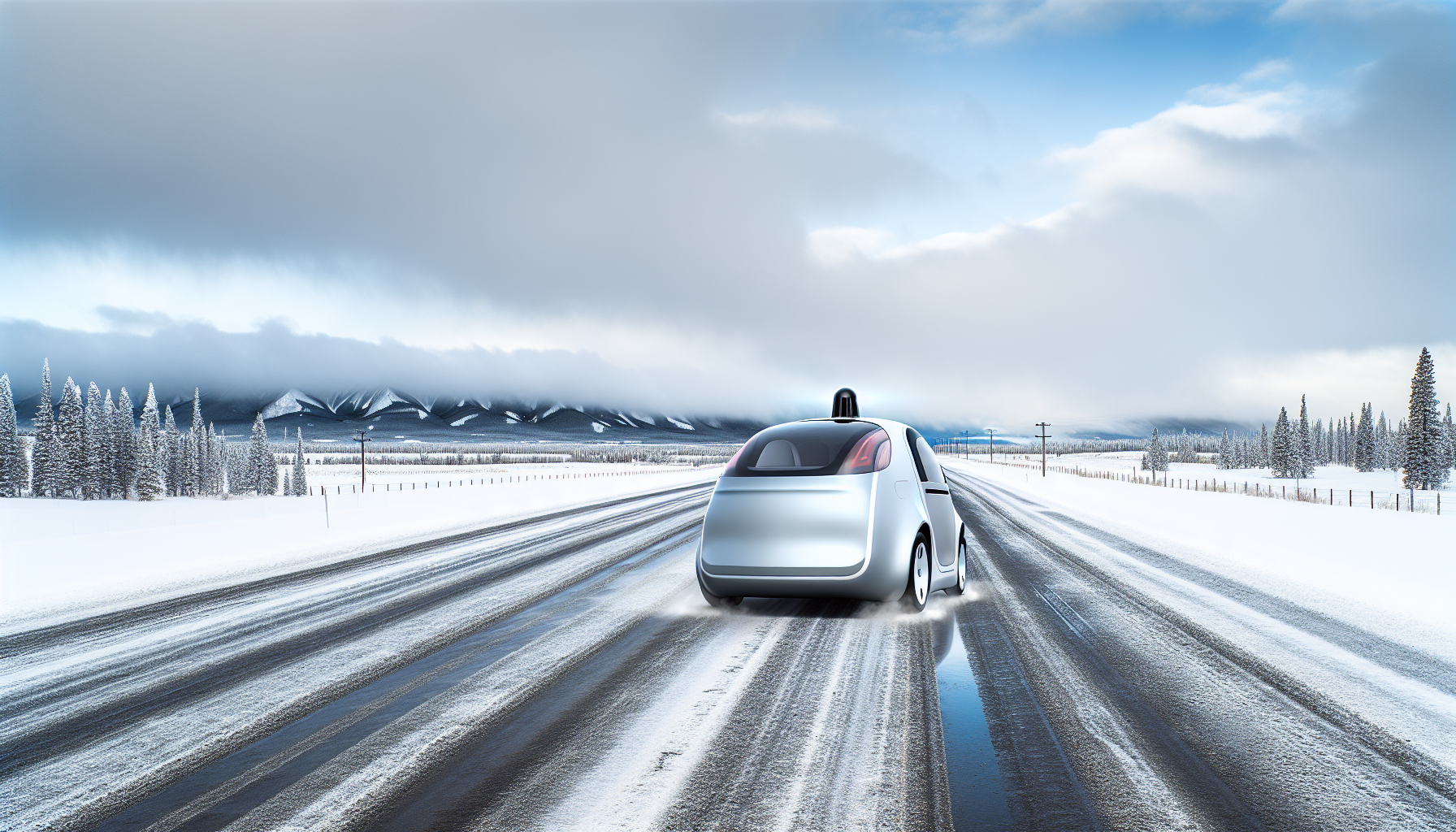
We’ve all seen the viral clips: a steering wheel turning itself on a clear California freeway. But picture that same scene in Alberta in February—fresh snow covering lane lines, blowing ice crystals, and a moose lurking just beyond your headlight beam. The big question for Alberta drivers isn’t just “when” self-driving cars will arrive in Canada—it’s whether today’s tech can handle our weather, our mix of urban and rural roads, and our rules.
Here’s the state of play, the realistic timeline, and what it means for your next purchase—especially if you’re comparing driver-assistance packages on new models, browsing used options, or checking Alberta’s open car marketplace for budget-friendly tech.
Where the technology actually is today
SAE levels, simplified
- Level 2 (L2): Common in many new models. The car can steer and control speed on certain roads, but you must stay fully engaged and responsible. Think highway assist and lane centring. This is where most consumer systems in Canada are today, including the buzzy ones you’ve heard about.
- Level 3 (L3): The car can drive itself in limited conditions and takes legal responsibility while active, but asks you to take over when needed. Globally, L3 approvals are tightly controlled, and Canadian availability is still very limited.
- Levels 4–5: Driverless in defined areas (L4) or everywhere (L5). What you see in pilot robotaxi projects elsewhere—typically geofenced, speed-limited, and weather-restricted. Not available to Alberta consumers on public roads.
Bottom line: In Canada, and especially in Alberta conditions, consumer vehicles are largely L2. You’re the driver, even if the car helps.
Canada’s rules—and Alberta’s reality
Vehicle safety standards are set federally, while provinces handle road use, licensing, and rules of the road. Transport Canada provides guidance for testing automated driving systems under the Motor Vehicle Safety Act, but each province decides what’s allowed on its roads. Across Canada, full driverless operation on public roads is still tightly controlled and usually limited to pilots with special permissions.
In Alberta, expect a cautious, step-by-step approach. Limited pilots (often low-speed shuttles or controlled trials) are more likely than a fast, province-wide green light for driverless fleets. Private property—industrial sites, logistics yards, and controlled campuses—will continue to be the earliest adopters because the environment is defined and rules are clearer.
Winter is the toughest product test on earth
Autonomous perception depends on seeing and predicting. Alberta throws curveballs at both:
- Snow and slush: Lane markings vanish. Snowbanks narrow the road. Wheel ruts mislead lane-keeping cameras.
- Sensor occlusion: Ice, salt, and grime block cameras and radar. Many systems “time out” and ask the driver to take over.
- Cold temps: Battery performance, heaters for sensors, and washer systems work harder. Windshield cameras become a single point of failure if they’re not kept clear.
- Rural and wildlife risks: Low lighting and animal crossings demand fast, confident detection—an area where many systems still defer to the human.
If you’ve ever had adaptive cruise or lane-keep shut off in a snowstorm, you’ve seen the practical limit. For Alberta-wide autonomy, consistent winter performance remains the hurdle.
So, when will self-driving arrive in Canada—and in daily Alberta life?
The realistic timeline
- 0–3 years: More L2 and early L2+ features on mainstream models (hands-on or closely monitored hands-off in specific scenarios). Limited, tightly controlled L3 demonstrations may appear, but average Alberta drivers should expect to remain fully responsible behind the wheel.
- 3–7 years: Gradual expansion of geofenced, low-speed driverless services in select Canadian locations where policy and climate allow. Alberta adoption likely in pilots first, with weather windows and route restrictions.
- 7–10+ years: Broader rollouts depend on winter-proven sensing, redundancy, and detailed mapping that works year-round. Rural coverage will lag urban cores. Personal ownership of true L4/L5 in Alberta will likely trail commercial deployments.
Translation for shoppers: autonomy is coming, but incrementally. The best value today is choosing driver-assistance that works well in Alberta conditions, not waiting for a driverless leap that isn’t ready for our winters yet.
What Alberta buyers should do right now
1) Shop for the right driver-assist package, not the flashiest name
Compare real-world performance in snow and slush. Look for robust lane-keep with clear takeover alerts, adaptive cruise that behaves smoothly when roads are messy, and features like highway assist that monitor your attention rather than making risky assumptions.
On new models, ask whether map-based hands-free features require a subscription and which Alberta highways are supported. On used vehicles, verify that software is up-to-date and whether any paid features transfer to the next owner.
2) Winter-proof your sensors
- Pick vehicles with heated camera areas or high-output washer nozzles for the windshield and, if available, for forward cameras.
- Keep a microfibre cloth in the door pocket to wipe camera/radar covers after slushy highway runs.
- After any windshield replacement, plan for ADAS camera recalibration. Budget time and cost—your insurer or glass shop can advise.
- Don’t skip winter tires. Driver aids help, but traction still rules in Alberta.
3) Test drive like a Canadian, not a Californian
- Use routes with faded markings and patchy snow to see how the system behaves when it’s not perfect.
- Try a two-lane rural highway segment to evaluate lane-keep confidence and passing prompts.
- Engage the full suite—adaptive cruise, lane centring, blind-spot warnings, and automatic emergency braking—then note when the car asks you to take over.
4) Plan your budget for tech
Advanced safety and convenience packages can add thousands to a new build and affect used prices, too. Some features require subscriptions after a trial period. If the ideal configuration is stretching your budget, consider spreading costs with financing or focusing on the features you’ll actually use year-round in Alberta.
It can help to get pre-approved before you start comparing trims. If you’re weighing a bigger tech package but want to keep your cash in reserve for winter tires and insurance, explore $0 down car loans. Shoppers who search for new and used cars Edmonton often find that approval terms can vary by lender and equipment; province-wide, the same rule applies—know your ceiling before you fall in love with a spec sheet.
5) Buying used? Inspect the invisible
- Diagnostic scan: Ask for a pre-purchase scan to check for stored ADAS faults.
- Calibration records: If the windshield or front bumper has ever been replaced, verify that camera/radar calibration was completed.
- Sensors and covers: Look for cracked emblems (often house radar) and chipped camera housings.
- Software status: Confirm updates and whether past owner subscriptions transfer.
If you’re considering a private-party vehicle, Alberta’s open market has gems—but due diligence matters. An open car marketplace that supports private seller cars in Alberta and dealer listings can simplify the process with condition reports and financing that works for both scenarios.
Policy, insurance, and liability—what Alberta drivers should know
Even as features evolve, Canadian law still treats the human as the driver for most consumer systems. If your L2 system is active and something goes wrong, you’re responsible. Insurers in Alberta may offer ADAS-related discounts, but they’ll also expect that sensors and cameras are calibrated after repairs and that you understand the system’s limits.
- Windshield glass: Many policies cover OEM-spec glass and calibration; ask before replacing.
- Aftermarket bumpers or lifts: These can interfere with radar/camera angles. Verify compatibility.
- Data and privacy: Connected vehicles collect trip and system data. Review consent settings and how updates are managed.
Industry reality check: hype vs. headlines
If you follow auto industry news and car news Canada, you’ve noticed a pattern: lofty autonomy promises, followed by quieter updates. Here’s what matters for Alberta shoppers:
- Most consumer systems remain L2: Hands may come off briefly in certain conditions, but your attention can’t. That’s by design—and by regulation.
- Subscriptions are growing: Some brands gate advanced driver assistance behind monthly fees. Factor this into total cost of ownership.
- Feature names oversell: A fancy label doesn’t change the legal reality. Read the fine print and test in winter-like conditions.
- Commercial first: Expect earlier autonomy gains in logistics yards, industrial operations, and defined-route shuttles before personal vehicles go driverless in public traffic.
As for vehicle trends and new car releases, look for better driver monitoring, more capable lane-keeping on imperfect markings, and improved sensor cleaning. These are the stepping stones that actually matter in Alberta.
Shopping smart in Alberta’s marketplace
Whether you’re browsing a car marketplace Alberta shoppers use every day or scanning a vehicle marketplace Edmonton search result to compare prices province-wide, treat autonomy like any other feature: verify how it works here, not just what it did in a press release.
- Compare trims: Safety tech can hide in option packs. Sometimes the mid-trim has the sweet spot for value.
- Cross-shop new vs. used: A lightly used model with the right ADAS pack can undercut new pricing while delivering nearly identical functionality—especially if software updates keep it current.
- Consider private listings with support: If you find the perfect spec among private seller cars in Alberta, make sure you can finance and insure it smoothly. Some marketplaces help with paperwork for both dealer and private transactions.
At Driving With Us Auto Market, we list both new and used options and run an open marketplace where private sellers can connect with buyers across Alberta. If the right tech package turns up in a private listing, we can still help you arrange financing and handle the details.
Financing autonomy: keeping the numbers in your favour
Advanced safety tech boosts confidence but can inflate price. To keep your plan realistic:
- Lock your budget early: Trim-by-trim pricing can swing quickly with ADAS packs. Before you browse, get pre-approved so you know your true lane.
- Mind the add-ons: If you’re upgrading for winter-friendly features, ensure coverage—subscriptions, sensor heaters, and calibration allowances—fits your monthly number. When you need flexibility, $0 down car loans can help keep cash free for winter tires or an extra set of rims.
- First purchase? If you’re new to car buying in Canada and weighing tech vs. budget, review our first time car buyer programs to structure a payment that still leaves room for insurance and seasonal maintenance.
- Local financing support: Shopping from anywhere in the province (including searches like “auto sales Edmonton” or “new and used cars Edmonton”)? Our team can arrange options tailored to Alberta drivers, and you can explore localized help through auto financing in Edmonton even if you live elsewhere in the province.
If credit has taken a few Alberta winters on the chin, ask about bad credit car loans that still fit a safe, sensible budget—especially important when you’re prioritizing modern safety gear.
Practical checklist: living with advanced driver assistance in Alberta
- Carry washer fluid with de-icer all winter; top up often to keep cameras clear.
- Learn your alerts and limits: every system has a different tone, display, and takeover request. Practice on a quiet road.
- Update software before long trips—bug fixes can matter more than features.
- Keep windshields chip-free: forward cameras hate distortion; repair chips early.
- Check alignment annually; poor alignment confuses lane-keep.
- Subscribe only if it earns its keep: if a hands-free feature disengages most of winter, pause it and reassess next season.
FAQ: Alberta drivers and autonomy
Are any self-driving cars legal in Canada today?
Driverless consumer cars aren’t generally approved for public use. Most systems on sale are L2 driver assistance—you stay alert and responsible. Limited pilots exist under strict oversight.
Will Alberta get robotaxis soon?
Expect controlled pilots before any broad rollout, and likely not province-wide at first. Weather and policy shape where and when services launch.
Should I wait to buy until true self-driving arrives?
Not if you need a vehicle now. Focus on proven safety and convenience that work in Alberta today—especially winter performance. Autonomy will come in increments; you can always upgrade later.
The takeaway for Alberta
Self-driving cars are advancing, but Canada—and Alberta in particular—demands more than sunny demo reels. Our winters, rural distances, and regulatory caution mean real autonomy will arrive step by step, with commercial and low-speed deployments first. For your next purchase, buy for the Alberta you drive in: prioritize robust driver assistance that survives slush season, confirm calibration and software on used picks, and keep your budget honest with flexible financing. An open car marketplace that spans dealer and private listings can help you find the right spec sooner—and ensure the numbers make sense when you sign.
Until the day your vehicle truly drives itself coast-to-coast in January, the smartest play is simple: choose the tech that earns its keep in Alberta, every single day.