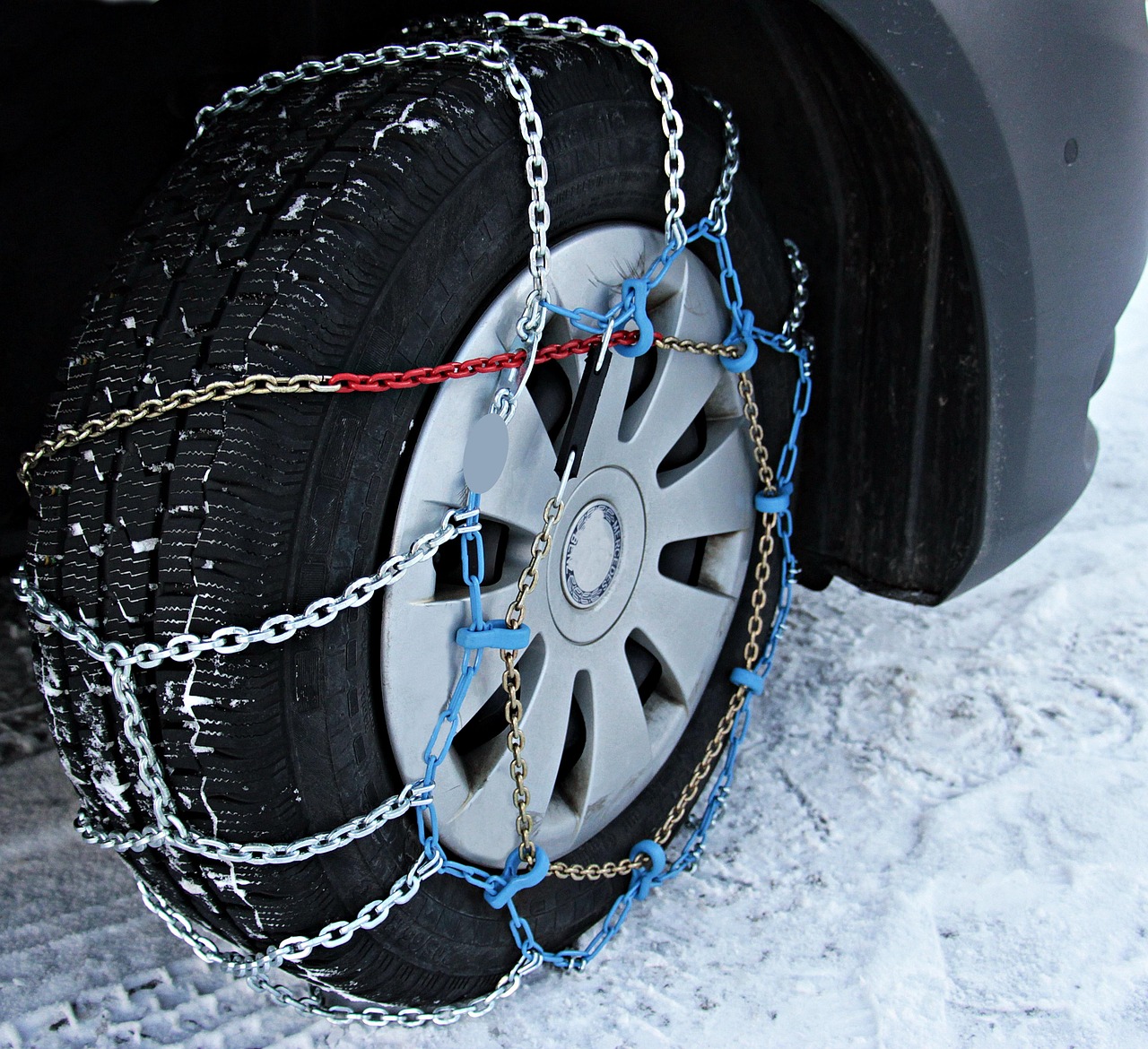
St. Albert Winter Car Prep: A Local Guide
Winter Is Coming… and Your Car Knows It
Picture this: it’s -28°C with a wind chill that nips at your ears. You hustle out from your place in Grandin, hit the starter—click. Nothing. Now you’re juggling a booster pack, an ice scraper, and a late meeting across the Sturgeon River. If that’s a little too familiar, you’re not alone. Alberta winters aren’t just cold; they’re hard on vehicles. Between deep freezes, sudden thaws, and weekly snowfalls, St. Albert drivers need a plan that works from late October through March.
Here’s your complete, St. Albert-specific guide to prepping your car for winter—covering tires, batteries, block heaters, fluids, visibility, emergency kits, and real-world driving tips for the roads you actually use: St. Albert Trail, Ray Gibbon Drive, the Anthony Henday, and those slick dips near the Sturgeon River valley. We’ll also include smart car buying tips if you’re upgrading, and handy private seller tips if you’re selling your car this season.
Why St. Albert Winters Are Their Own Beast
- Freeze–thaw cycles: Chinooks mean you’ll see ice in the morning and slush by afternoon—then a hard refreeze overnight. Expect black ice, especially on bridges and shaded stretches like Sturgeon Road.
- Drifting snow: Ray Gibbon Drive and rural routes toward Morinville can drift over in a single blustery afternoon.
- Priority plowing: The City of St. Albert runs Snow & Ice Control routes. Watch for parking bans and check updates before leaving your car on priority roads.
- Commute realities: On-ramps to Anthony Henday (216) at Campbell Road and St. Albert Trail can be slick. Build extra stopping distance and expect slowdowns after fresh snow.
1) Tires: Your First Line of Defence
Choose true winter or all-weather with 3PMSF
All-season tires lose bite below 7°C. For St. Albert’s long cold snaps, go with either dedicated winter tires or 3PMSF-rated all-weather tires. Look for the Three-Peak Mountain Snowflake (3PMSF) symbol. It’s your assurance of snow and ice performance.
- Winter tires: Best traction in deep cold, snow, and ice. Softer rubber stays grippy below -7°C.
- All-weather (3PMSF): A strong compromise if you don’t want seasonal swaps. Better on snow than all-seasons, but not as extreme as true winters.
- Studded tires: Legal for passenger vehicles in Alberta (yes, even in the city). Useful for frequent ice, but they’re noisy and can increase stopping distances on dry pavement.
Local timing tip
Book your swap in early–mid October. By late October, shops across St. Albert (and auto sales Edmonton centres) are slammed.
Tread depth & pressure
- Tread: Aim for at least 5/32" (4 mm) on winters; 6/32" is better. Replace if you’re close—winter exposes weak treads fast.
- Pressure: Air drops roughly 1 psi for every 5°C temperature change. Set pressures to the driver’s door sticker when tires are cold and check monthly.
- TPMS light on cold mornings? That’s normal. Top up to spec; don’t overinflate.
Extra traction for trucks and RWD
Driving a rear-wheel-drive car or a pickup around North Ridge? Add 50–90 kg of secured weight over the drive axle (sandbags work) and use proper winter tires on all four wheels.
2) Battery, Block Heater, and Cold Starts
Test and replace before the deep freeze
St. Albert’s -30°C mornings are battery killers. Have your battery load-tested—especially if it’s 4+ years old. Ask for Cold Cranking Amps (CCA) and health state. If it’s borderline, replace it before a cold snap.
Plug it in at -15°C
- Block heater: Most vehicles sold in Alberta have one. Plug in at about -15°C for 2–3 hours. Longer won’t usually help—and wastes power.
- Check the cord: Look for frays, use a GFCI outlet, and keep the cord off icy ground.
- Diesel owners: Plug in earlier and consider a battery blanket or trickle charger if you park outside in Akinsdale or Lacombe Park.
Fuel habits
- Keep it half full: Prevents condensation in the tank and gives you heat if you’re stuck in winter traffic along St. Albert Trail.
- Diesel: Use winterized diesel and a trusted anti-gel additive. Drain the water separator regularly.
3) Fluids and Filters That Matter in Alberta
- Engine oil: Use the winter-grade viscosity in your owner’s manual (often 0W-20 or 5W-30). Thinner oil helps cold starts.
- Coolant: Ensure a 50/50 mix for freeze protection around -37°C. Test if unsure.
- Washer fluid: Use -40°C rated fluid. Buy a jug for the trunk—slush from the Henday will drain the tank fast.
- Brake fluid: Water contamination lowers the boiling point. If it’s over 3–4 years old, consider a flush.
- Cabin air filter: A fresh filter clears fog faster and helps the defroster work properly.
4) See and Be Seen: Glass, Lights, and Defrost
- Wipers: Install winter blades—rubber boots prevent ice buildup. Replace if they chatter or streak.
- Windshield chips: Fix before it freezes. (Highway gravel on Henday ramps loves to turn chips into cracks at -20°C.)
- Headlights: Clean lenses and check aim. Replace dim bulbs in pairs for consistent brightness.
- Defog faster: Turn A/C on with heat (it dehumidifies), keep recirculation off, and make sure floor mats are dry. Moisture = fog.
- Door seals: Treat with silicone spray and keep a lock de-icer at home and in your jacket pocket—not in the glove box.
5) Brakes, Steering, and Drivetrain
- Brake check: Squeals or pulsation? Get them serviced before snow hits. ABS and ESC warning lights should be diagnosed ASAP.
- Alignment: Potholes after freeze–thaw cycles can knock alignment out. If your car pulls or the steering wheel isn’t centred, align it—your winter tires will thank you.
- AWD/4x4: Test your system before you need it on Sturgeon Road’s slopes. Engage 4-High where recommended and make sure hubs actuate smoothly.
- Differentials and transfer case (trucks/SUVs): Check fluid levels and change intervals—cold thickens old fluid and strains gears.
6) Build a Real Alberta Winter Emergency Kit
Stuck on Ray Gibbon Drive at -25°C is not the time to wish you had a blanket. Stock your trunk:
- Heavy blanket, toque, gloves, and hand warmers
- Booster cables or a lithium jump pack (charged)
- Shovel, traction mats or kitty litter, and a tow strap
- Flares/reflective triangles and a high-vis vest
- Phone charger and power bank
- Candle-in-a-can and matches
- Spare fuses and a basic tool kit
- Non-perishable snacks and water (insulated)
Bonus: Keep an extra set of warm socks and a small first-aid kit. Wet feet can end your day fast.
7) Rust, Salt, and Underbody Protection
Alberta uses sand, salt, and brine. That mix saves lives—and eats metal. To protect your vehicle:
- Underbody rinses: Hit a touchless wash after storms and thaws. Rinse wheel wells and rocker panels.
- Rustproofing: Annual oil spray or a long-term protective coating can help if you keep vehicles long-term.
- Clean door jambs: Ice and grit chew weatherstrips; a quick wipe prevents wear.
8) Smart Driving Tips for St. Albert Roads
- Double your space: Aim for 7–10 seconds of following distance in snow or on icy Henday ramps.
- Gentle inputs: Slow, steady throttle; brake earlier; and steer smoothly. ABS pulsing is normal—keep your foot steady.
- Watch for black ice: Bridges over the Sturgeon River and shaded curves of Sturgeon Road freeze first. Shiny pavement in the shade is your cue to slow down.
- Use lower gears on hills: For icy climbs/descents near the valley, downshift to control speed without riding the brakes.
- Clear the car fully: Snow off the roof and hood keeps chunks from flying at the car behind you on St. Albert Trail.
- Idling etiquette: Don’t leave cars running unattended—vehicle theft rises in cold snaps. Warm up by driving gently after 30–60 seconds.
9) Timeline: What to Do and When
- Late September: Book winter tire appointment; order any parts (wipers, battery).
- Early October: Test battery and coolant; switch to winter washer fluid; service brakes if needed.
- Mid–Late October: Mount winter tires; install winter wiper blades; stock your emergency kit.
- First -15°C alert: Test your block heater and cord; set a timer for 2–3 hours pre-departure.
- After first big snowfall: Re-torque wheel nuts at 100 km; wash underbody after roads dry.
10) Buying or Selling a Vehicle Before Winter?
If you’re upgrading before the storms hit—or turning your vehicle into extra holiday cash—winter prep overlaps with smart shopping and selling.
Car buying tips for Alberta winter
- Must-haves: Block heater, remote start, heated seats/steering wheel, good defroster, and strong battery.
- Check tires: Ask about winter tires and their DOT date (rubber ages). Factor in the cost if you need a set.
- AWD vs winter tires: AWD helps you get moving, but winter tires help you stop. Ideally, both.
- Service records: Look for recent battery test, coolant check, brake inspection, and any windshield chip repairs.
- Road test: Test the heater, check for fogging, make sure the ABS light cycles on/off correctly, and feel for any shudder under braking.
If you’re browsing new and used cars Edmonton or around St. Albert, dealerships like ours keep winter in mind. At Driving With Us Auto Market, we can verify block heater installation, tire condition, and battery health, and we offer vehicle financing Canada for both dealership purchases and private sale transactions.
Private seller tips and marketplace know-how
- Winter-ready sells: Include your winter tire set in the listing and note recent battery replacement or block heater checks.
- Great photos: Clean the car, clear snow off, and photograph in daylight. Show the block heater cable and tire tread.
- Be honest about chips: Fix windshield chips first—they’ll only spread.
- Test-drive route: Map a safe loop—avoid the iciest hills by the valley if conditions are poor. Have traction mats ready.
- Payment safety: Use secure payment methods; meet in public, well-lit spaces.
Our open car marketplace connects buyers and sellers across the region—ideal if you’re listing private seller cars Alberta-wide but want St. Albert visibility. If you need financing on a private sale, we can help there too.
11) Quick Checks Most People Forget
- Spare tire & jack: Make sure they’re present, inflated, and the key for locking lugs is in the car.
- Trunk seal drain holes: Keep them clear so meltwater doesn’t refreeze and trap the lid shut.
- Floor mats: Use winter mats to keep carpets dry and reduce fogging.
- Keyless entry battery: Weak fob batteries fail at the worst time. Replace before -25°C weeks.
- Heater performance: If heat is weak, your thermostat may be stuck open or the heater core partially plugged—fix before January.
- Wheel re-torque: After mounting winters, re-torque wheel nuts after 100 km to avoid vibration.
12) Diesel Owners: A Few Extra Steps
- Glow plugs & grid heaters: Confirm proper operation before the first cold snap.
- Fuel filter: Change on schedule; water and ice clog filters fast.
- Anti-gel: Use a reputable additive and winterized diesel from busy stations along St. Albert Trail.
- Plug in sooner: Don’t wait for -15°C. Your engine (and battery) will thank you.
13) Local Road Notes: Where to Be Extra Cautious
- Sturgeon Road into the valley: Shaded and steep in spots—black ice hotspot. Give yourself space.
- Bridges: The river crossing near Red Willow Park can be glassy before sunrise.
- Ray Gibbon Drive: Crosswinds and drifting—watch for patchy ice, especially after plows pass.
- Anthony Henday ramps: Polished by traffic; traction can vanish without warning.
- Residentials in Erin Ridge/North Ridge: Packed snow becomes ruts; slower speeds save bumpers and suspension.
14) Budgeting for Winter: What to Expect
Ballpark costs vary by vehicle and shop, but here’s a rough guide for planning:
- Winter tires: $700–$1,400 installed for most cars/SUVs; add $300–$600 for dedicated winter rims.
- Battery: $180–$350 installed depending on CCA and vehicle.
- Wiper blades: $30–$60 each for winter-rated blades.
- Fluid service: Oil change $80–$140; coolant service $150–$250; brake fluid flush $120–$180.
- Rustproofing: $150–$300 typically.
If you’re buying through a car dealership Alberta or browsing a vehicle marketplace Edmonton, factor these items into your budget so the car is truly winter-ready on day one. At Driving With Us Auto Market, we can roll winter tires or protection packages into your financing where it makes sense.
15) What If You’re New to Alberta Driving?
Welcome—and give yourself time. The biggest shift is mental: drive to conditions, not the speed limit. Book a Saturday morning practice run on quiet roads after a snowfall. Learn how your ABS feels, how your AWD/4x4 engages, and how long it takes to stop on packed snow. Consider a winter driving course; the confidence boost is huge.
16) How We Can Help (When It’s Relevant)
Shopping before winter? When you’re comparing new and used cars Edmonton or St. Albert options, we’re happy to help you find vehicles with the right cold-weather features. At Driving With Us Auto Market, we sell both new and used vehicles, and our open car marketplace connects local buyers and sellers across Alberta. Need vehicle financing Canada on a private sale? We can arrange that, too. Whether you’re prepping your current ride or replacing it, our team can help you make smart, winter-ready choices without the fluff.
Winter Prep Checklist: St. Albert Edition
- 3PMSF winter or all-weather tires installed, pressures set
- Battery load-tested; replace if weak; clean terminals
- Block heater and cord tested; set a timer for cold nights
- Oil at winter viscosity; coolant mix verified
- -40°C washer fluid topped; winter wipers installed
- Brakes inspected; ABS light cycles properly
- All exterior lights clean and aimed; spare bulbs on hand
- Emergency kit packed (booster, shovel, mats, blankets)
- Underbody rinse after storms; consider rustproofing
- Insurance and roadside assistance up to date
Final Word
St. Albert winters will test any vehicle, but a little preparation goes a long way. Tackle the essentials before the mercury nose-dives, drive with patience, and keep your kit ready for the unexpected. Whether you’re keeping your current ride on the road or browsing for something more winter-capable through auto sales Edmonton channels, you’ve got this—one well-prepped start at a time.