Survive Your First Edmonton Winter Driving
White-knuckle morning commutes? Welcome to Edmonton in January.
Picture it: you step outside in Mill Woods at 7 a.m., it’s -28°C, there’s a crust of ice on your windshield, and traffic on Anthony Henday Drive is creeping like it’s rush hour on Whyte after a festival. If this is your first Alberta winter behind the wheel, you’re not alone. Edmonton winters hand out a mix of deep-freeze mornings, surprise freezing rain, and sudden whiteouts on Yellowhead Trail that test even seasoned drivers. The upside: a little prep and some smart habits go a long way. This guide gives you practical, Edmonton-specific driving tips, car maintenance musts, and savvy car buying tips to help you handle the cold without the stress.
What winter really means for drivers in Edmonton
Edmonton is cold, dry, and windy. We get long stretches below -20°C, black ice on bridges (watch the High Level, Quesnell, and the Henday bridges), and blowing snow on open stretches near St. Albert and Sherwood Park. Residential streets get rutted after big dumps, and windrows after blading can be tall enough to make compact cars sweat. On hills like Groat Road, Connors Road, and Saskatchewan Drive, traction can change by the curve. Translation: winter here rewards planning.
Outfit your car for Edmonton winter
1) Winter tires are non-negotiable
- Pick proper winters: Look for the three-peak mountain snowflake symbol (not just M+S). Edmonton’s cold demands compounds that stay soft below -10°C.
- Studs? Studded tires are legal for passenger vehicles in Alberta. They help on hard-packed snow and ice, especially if you commute the QEII to Leduc or Nisku before sunrise. If you do more city than highway, a quality non-studded winter tire is usually enough.
- Size and setup: Slightly narrower winter tires cut through slush better. Mount them on dedicated steel rims to save your alloys from sand and brine.
- Pressure matters: Air pressure drops about 1 psi for every 5°C. Check monthly; underinflation kills traction and range (yes, EV drivers—this includes you).
2) Battery: the silent winter villain
- Test it: Cold slashes battery capacity. If yours is 4–5 years old, have it load-tested before winter.
- Buy by CCA: In Edmonton, prioritize higher Cold Cranking Amps. Cheap batteries rarely survive a deep freeze parked outside in Terwillegar.
- Cables and corrosion: Clean terminals; pack a set of booster cables or a lithium jump pack.
3) Block heater: plug in smartly
- When to use: Plug in around -15°C or colder. A 3–4 hour plug-in is usually enough—use a timer to save power if you park outside in Clareview or Rutherford.
- Check the cord: Make sure your block-heater cord isn’t frayed and the plug end is clean. Many used vehicles from milder provinces arrive without a block heater—budget to install one if needed.
4) Fluids and filters
- Oil: Use the winter-weight grade your owner’s manual recommends (often 0W-20 or 5W-30). Thinner oils flow better at -30°C.
- Washer fluid: Only -40°C-rated fluid, and keep an extra jug in the trunk. Slop from Whitemud and Yellowhead can drain a reservoir in days.
- Coolant: Ensure proper mix for deep cold; a quick test at a shop can confirm freeze protection.
- Cabin filter: A clean filter helps with defrosting and air quality during inversion days.
5) Wipers, lights, and visibility
- Winter wiper blades: The rubber boots help prevent ice buildup.
- Raise blades overnight: If freezing rain is forecast, lifting the wipers keeps them from freezing to the glass.
- Headlights: Keep lenses clean; LED headlights can ice over more easily. Clear snow from all lights—front, rear, and side markers.
6) Basic winter kit
- Heavy-duty snow brush/ice scraper
- Jumper cables or a jump pack
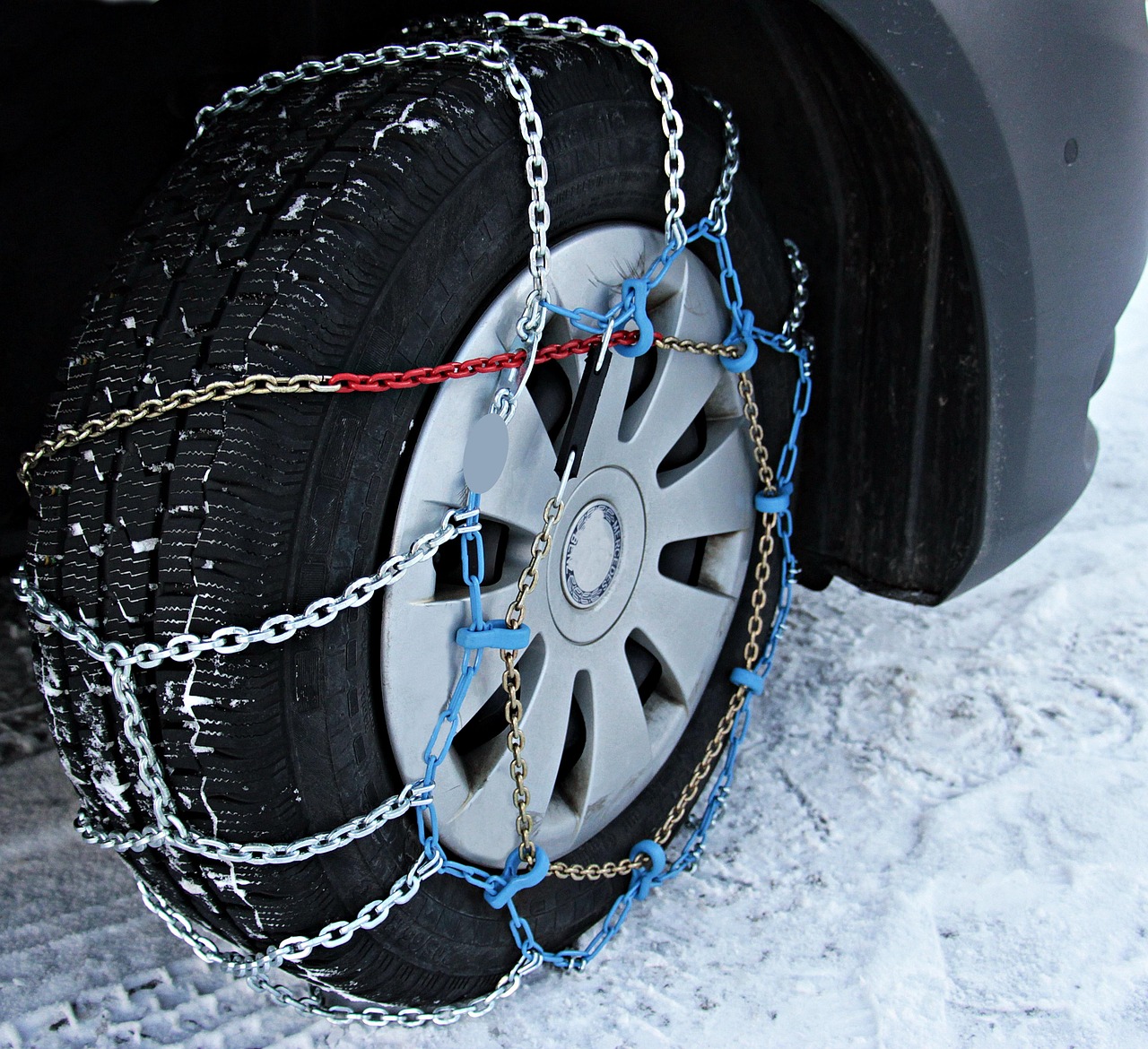
- Small shovel and traction aids (kitty litter or traction boards)
- Warm gloves, hat, and a blanket
- Phone charger and a power bank
- Lock de-icer (keep it in your coat, not the glovebox)
- Reflective triangle and a flashlight
Edmonton-specific driving tactics
Plan your route for winter
City arterials like Whitemud Drive and Yellowhead Trail are among the first to be cleared. Residential routes in areas like Summerside or Westmount can take longer. After a heavy snowfall, avoid steep grades like Connors Road if you’re in a low-clearance sedan on worn tires.
Use gentle inputs
- Start slow: Feather the throttle. If you’re in a manual, second-gear starts help on ice.
- Brake early: Give yourself 7–10 seconds of gap on the Henday. Bridges over the river ice up first.
- Turn carefully: Slow before the turn; accelerate lightly once straight. Most winter spins start from turning and braking together.
Learn your traction and stability systems
- ABS: In a hard stop you’ll feel pulsing—keep steady pressure.
- Traction control: If you’re stuck, briefly toggling it off can help you rock out. Turn it back on once moving.
- Drive modes: If your car has Snow/Winter mode (common on many new and used cars in Edmonton), use it—it softens throttle and optimizes shifting.
Black ice hotspots
- Bridges and overpasses: Quesnell, High Level, Henday river crossings.
- Interchanges: Watch for polished ice on 82 Ave/Whitemud ramps and the QEII/Henday cloverleaf near the airport.
- Open corridors: Blowing snow west of Stony Plain Road, north of Gorman, and along Highway 2 toward Red Deer.
Idling and warming up
Modern engines don’t need long warmups. Idle for 30–60 seconds, then drive gently to warm the drivetrain faster. Remote starters are great (hello, frostbite), but 15 minutes of idling burns fuel and fogs windows—use sparingly and always clear the glass fully before moving.
Winter car buying tips for Edmonton
Shopping for a vehicle in the cold? Winter is a great time to assess real-world behavior. Whether you’re browsing auto sales in Edmonton or comparing new and used cars Edmonton shoppers love, focus on the stuff that matters once the thermometer drops.
Must-have features
- Quality winter tires or budget to buy them immediately.
- Block heater installed and working. Ask to plug in on the lot.
- Heated seats/steering wheel—sounds like luxury, but it keeps you alert and reduces warm-up idling.
- All-wheel drive is helpful leaving rutted alleys, but winter tires are the bigger safety upgrade.
- Ground clearance if you park on unplowed streets (hello, windrows after blading).
Cold-weather test drive checklist
- Start it cold—listen for slow cranking or belt squeal.
- Turn everything on: defrost front and rear, heated mirrors, seat/steering heat.
- Check how quickly the cabin clears fog and frost.
- Try low-speed braking on a safe, empty, icy patch—feel for ABS engagement.
- Confirm no warning lights (TPMS often trips after cold snaps).
Shopping smarter across Alberta
When you’re browsing a vehicle marketplace Edmonton buyers trust or a broader car marketplace Alberta wide, ask for:
- Two sets of tires (winters and summers) with tread measurements and ages.
- Service records showing battery replacement, coolant service, and brake maintenance.
- Undercarriage photos for rust—sand and brine along Anthony Henday Drive and Yellowhead can take a toll.
At dealerships like Driving With Us Auto Market, we can help you compare AWD options, assess winter tire packages, and verify block heater installs across both new and used vehicles. If you find a gem from a private listing, our open marketplace connects private seller cars Alberta-wide with buyers, and we support vehicle financing Canada-wide for both dealership and private-sale transactions—handy if you want to roll a winter tire set or remote start into the loan.
Financing winter essentials without the headache
Not everyone has cash ready for tires, rims, and a block heater. With flexible vehicle financing Canada options, you can:
- Bundle a proper winter tire/rim package into your purchase.
- Add a remote starter, battery upgrade, or undercoating.
- Finance a private-sale vehicle you found through an open car marketplace like ours and include key winter upgrades in the same approval.
Ask your lender or our team at Driving With Us Auto Market how to structure the deal so you’re not driving your first storm on bald all-seasons.
Winter maintenance that actually matters
After-storm routine
- Full snow clean-off: Roof, hood, lights, and trunk. Flying snow sheets on the Henday are more than annoying—they’re dangerous.
- Undercarriage rinse: Use touchless washes with underbody sprays after slushy days. The City uses abrasives and anti-icing agents that can corrode metal.
- Brake check: Listen for grinding or pulsing after deep cold; ice can build around components.
Monthly checks
- Tire tread and pressure: Aim for at least 5–6 mm on winters.
- Battery voltage and charge if you do short trips only.
- Washer fluid top-up and spare jug in the trunk.
- Wiper blade condition—replace at the first sign of streaking.
Rust protection
Consider oil spray or electronic rust modules if you keep vehicles long-term. At minimum, hit a wash after every thaw-freeze cycle—especially if you commute between Edmonton and Fort Saskatchewan where roads stay wet and briny longer.
Parking, plugging, and not getting stuck
- Plug-in etiquette: Many workplaces and apartment lots in Edmonton (Downtown, Oliver, Summerside) have 120V stalls. Use a heavy-gauge extension cord and secure the cord under the hood to avoid damage.
- Don’t bury the exhaust: After a big dump, clear snow away from the tailpipe before you start the car.
- Stuck in ruts? Straighten wheels, clear a path in front of the tires, use gentle rocking, and place traction aids under the drive wheels.
- City parking bans: Watch City of Edmonton notices after storms. Avoid windrows by moving your car before neighborhood blading.
EV and hybrid notes for the deep freeze
- Precondition: Heat the battery and cabin while plugged in—huge for range retention.
- Expect range drop: -20°C can reduce range significantly; plan Level 2 charging at home or work.
- Heated seats and wheel: Use them to save energy compared to blasting cabin heat.
Selling your car in winter? Make it winter-proof for buyers
If you’re selling your car during the cold months, buyers in Edmonton expect winter readiness. These private seller tips help your listing stand out on a vehicle marketplace Edmonton shoppers browse:
- Show winter readiness: List tire tread depths, include photos of winter and summer sets, and confirm the block heater works.
- Prove maintenance: Post recent battery test results and service receipts (oil, coolant, wipers).
- Clean it right: Detail the interior and run it through a touchless wash with undercarriage spray before photos. A clean underbody and wheel wells build trust.
- Be flexible on viewing: Offer cold starts so buyers can hear it crank and idle. That’s a selling point when it’s -25°C in Terwillegar.
Our open marketplace at Driving With Us Auto Market lets private seller cars Alberta-wide reach more winter-ready buyers, and we can even arrange financing for the buyer—useful when someone wants to bundle tires or repairs into the deal.
New to Edmonton? Useful local resources
- 511 Alberta: Live highway conditions for trips to Calgary, Red Deer, or Fort McMurray.
- City of Edmonton Snow & Ice: Parking bans, blading schedules, and why your street looks like a mogul run.
- Weather alerts: Add extreme cold warnings to your phone. Plan plug-ins accordingly.
When to call a pro
If your vehicle cranks slowly, the heater blows lukewarm, or you see persistent brake pulsation after ice events, book a check. For shoppers, a pre-purchase inspection at a trusted Edmonton shop (or through our network at Driving With Us Auto Market) can save you buying someone else’s winter headache.
Quick winter checklist (print or save)
- Winter tires with 5–6 mm+ tread and correct PSI
- Battery tested; high CCA if replacing
- Block heater tested; timer ready for -15°C and colder
- -40°C washer fluid and winter wiper blades
- Snow brush, shovel, jump pack, traction aid, blanket
- Fuel at least half full before overnight lows
- Route planned to major arterials after fresh snow
- Undercarriage rinse after slushy days
Final word: Confidence comes with practice
Your first winter in Edmonton will feel intense. But once your vehicle’s set up and you’ve had a few storm-day drives—creeping down Groat with space, easing onto the Henday ramps, and parking clear of windrows—you’ll be the calm one helping coworkers dig out. If you’re still shopping, compare AWD options, test winter features, and lean on expert advice from people who drive these roads daily. At Driving With Us Auto Market, we help buyers across Alberta find both new and used cars in Edmonton, connect through our open marketplace, and arrange financing for dealership and private sales so you can hit winter equipped from day one.
Ready to gear up?
Whether you’re upgrading, browsing an open car marketplace, or listing your ride, winter-ready choices pay off the first time it’s -30°C and your car fires, grips, and goes. See you on the Henday—at a safe following distance.