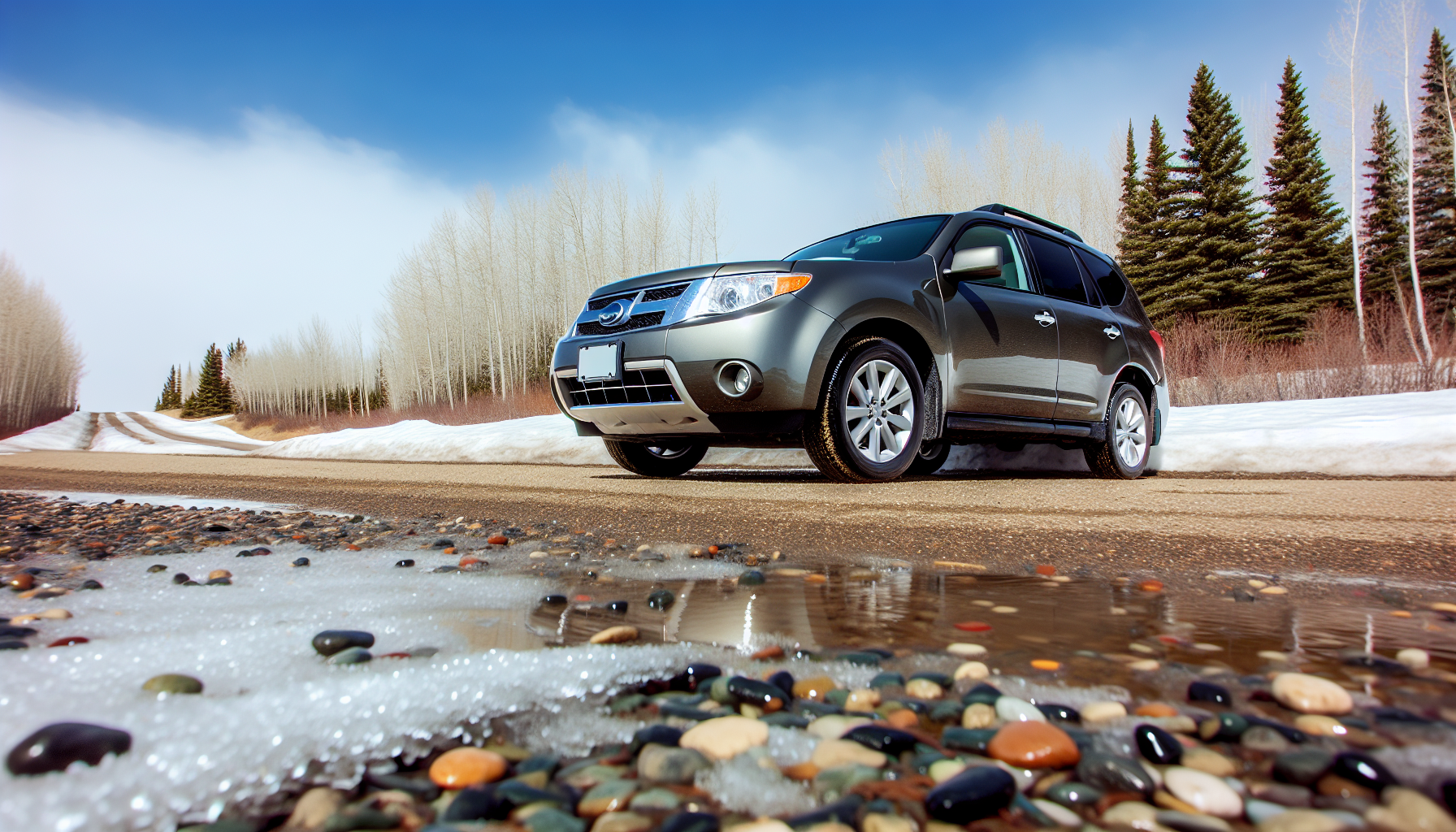
Winter-to-Spring Car Care Playbook for Alberta Drivers
Did your car survive winter, or just barely?
One day it’s -20°C with ice-rutted lanes; the next, chinook-like melt sends slush and gravel spraying your paint. That freeze–thaw rollercoaster is an Alberta classic—and a silent car killer. As we move from winter to spring, a few focused steps will protect your vehicle, save money, and set you up for summer road trips. If your ride is nearing the end of its patience with our roads, we’ll also cover how to shop smarter—whether you’re considering new and used cars Edmonton shoppers see online or scanning private seller cars Alberta listings across the province.
Why winter-to-spring transitions matter in Alberta
Our province’s temperature swings, sand and salt/brine mix, and pothole season create a perfect storm for wear. Rubber stiffens, moisture sneaks into brake components, underbodies corrode, wheels go out of alignment, and windshields take a beating from gravel. Treating spring as a reset—inspect, clean, replace, and realign—extends your vehicle’s life and keeps repair bills predictable.
1) Tires: the 7°C rule, what to mount, and how to store
When daytime highs stabilize around 7°C, it’s time to retire dedicated winter tires. The soft rubber compound that grips on ice will overheat and wear quickly on warming pavement. Consider your next move:
- All-season vs. all-weather: If you travel in the Rockies or face frequent shoulder-season snow, all-weather tires (with the 3‑peak mountain snowflake) are a solid compromise. Pure all-seasons are fine if you’ve got a true winter set for next season.
- Tread depth: Aim for at least 4 mm on summer/all-season rubber. If your winter set is at or below 6 mm, plan to replace before next November.
- Torque and re-check: Ask your shop to torque lugs to spec and re-check after ~100 km. Alberta’s potholes can loosen things up.
- Balance and alignment: If your steering wheel shakes at highway speed, balance the wheels. If the car drifts or your tire shoulders look feathered, book an alignment—pothole season is merciless.
- Storage: Clean, dry, bag, and store winter tires in a cool place out of sunlight. Mark each tire’s position (LF, RF, LR, RR) to rotate properly next season.
Shopping for a different setup? Whether you’re looking at used SUVs Edmonton Alberta drivers favour for winter or compact cars for city commuting, remember: the right tire strategy is worth more than most trim upgrades.
2) Brakes, suspension, and steering: shake off the salt season
Winter grime and moisture can corrode pads, rotors, and parking brake mechanisms. Gravel also loves to chip rotor edges. At spring service, ask for:
- Pad/rotor measurement: Verify remaining pad thickness and rotor condition. Surface rust can clean up with normal use, but pitting or deep scoring means replacement.
- Parking brake function: Ensure cables and shoes aren’t seizing after months of cold.
- Brake fluid test: If moisture content is high (often measured with a simple tester), a flush prevents internal corrosion and spongy pedal feel.
- Suspension check: Look for leaking struts, torn bushings, and tie-rod play—common after a pothole-heavy winter.
- Alignment report: A printout with before/after numbers ensures you’re not scrubbing away expensive rubber.
3) Fluids and filters that pay off by summer
Cold starts and short winter trips stress fluids. Spring is your moment to reset:
- Engine oil: Follow the maintenance minder or interval in your manual. Most modern engines run low-viscosity oil year-round in Alberta, but confirm the spec.
- Coolant: Check level and age. If it’s beyond service life, flush to restore anti-corrosion protection.
- Transmission and driveline: If you tow, off-road, or drive a truck with differentials/transfer case, verify fluid condition. Alberta dust and winter moisture don’t help.
- Power steering and brake fluids: Inspect for contamination and proper level.
- Washer fluid: Swap to a bug-fighting summer formula and install new wiper blades. You’ll thank yourself on your first spring highway trip.
- Cabin air filter: Replace to handle spring dust, pollen, and smoke if wildfire season flares.
4) Battery and charging system: cold-weather hangover check
Alberta winters are battery killers. Even if your car started reliably, test the battery’s cold-cranking amps and have the alternator checked. Clean corrosion from terminals and inspect your block-heater cord for damage before you coil it up for summer. For diesel trucks, also test glow plugs and related relays—hard winters reveal marginal components.
5) See and be seen: glass, lights, and cameras
Gravel and brine can leave their marks:
- Windshield chips: Repair them now before hot sun turns small damage into full cracks. Many Alberta insurance policies cover chip repairs under comprehensive—check your coverage.
- Headlights and taillights: Clean the housings and consider a UV-safe polish if they’ve yellowed. Confirm all bulbs and brake lights function.
- Cameras and sensors: Gently clean backup cameras, radar, and parking sensors; salt film can cause false alerts.
6) Undercarriage wash and rust prevention: Alberta edition
Even though Alberta relies heavily on sanding, brines and de-icers still find their way into seams. A thorough underbody rinse helps:
- Pressure wash: Focus on wheel wells, rocker panels, frame rails, and the rear bumper pinch seam where grime collects.
- Inspect for rust: On trucks, pay special attention to the frame, leaf-spring mounts, and bed supports. Address surface rust early.
- Protect: Consider a quality wax, sealant, or ceramic treatment before spring construction dust arrives.
- Interior salt removal: A 50/50 white vinegar and warm water mix lifts salt stains from carpet; blot, don’t scrub.
7) Trucks, towing, and weekend plans
Spring is when trailers and toys come out. Before your first tow:
- Hitch and wiring: Check for corrosion, verify connector pins, and test trailer lights and electric brakes.
- Tow vehicle service: Ensure transmission, differential, and cooling system are in shape for heavy loads.
- Tires: Verify your truck’s tire load rating and pressures for towing. Underinflation invites heat and blowouts.
Thinking of upgrading? If you’re browsing used trucks Edmonton listings or scanning used vehicles for sale Edmonton and beyond, match tow ratings to your actual trailer weight with a margin—don’t shop by badge alone.
8) EV and hybrid spring refresh
Electric and hybrid drivers, you’ll get range back as temps rise—but don’t skip maintenance:
- Tire rotation: Many EVs are heavier and eat tires faster; rotate at strict intervals.
- Brake service: Regenerative braking can let hardware sit; have the calipers cleaned and slides lubricated after winter.
- Underbody panels: Inspect aero shields for loose clips after snowbanks and ice chunks.
- Cabin filter and HVAC: Spring dust can clog filters; an A/C check ensures efficient summer cooling.
9) Paperwork and protection
Quick wins that often get missed:
- Registration and insurance: Confirm expiry dates and consider adjusting coverage if your winter beater goes into storage.
- Emergency kit refresh: Swap heavy blankets for lighter layers, add water, sunblock, and bug spray, and keep a compact tire inflator.
- Spare tire and tools: Make sure the spare is aired up and the jack works—pothole season is nail season.
Repair or replace? A spring reality check
If your vehicle needs tires, brakes, shocks, and windshield work all at once, tally the costs. A simple rule: if repairs exceed half the vehicle’s market value, consider upgrading. Spring is a good time to assess options across an open car marketplace: prices often shift as tax refunds land and inventory rotates out of winter stock.
Smart buying moves this spring (without getting burned)
Whether you’re eyeing used cars Edmonton shoppers talk about or searching broader car marketplace Alberta listings, do these things first:
Used car checklist for Alberta buyers
- Vehicle history: Pull a Canadian history report (e.g., theft, rebuild, liens). In Alberta, you can also request a Vehicle Information Report from registries for lien and status checks.
- Mechanical Fitness Assessment (dealers): Alberta dealers must provide this inspection document; review it closely. If you’re dealing with an Edmonton car dealership or anyone else in-province, the rules still apply—ask for the paperwork.
- Pre-purchase inspection (private sales): Book a third-party vehicle inspection. Ask the shop to focus on undercarriage rust, suspension wear from potholes, brake condition after winter, windshield integrity, and tire age. It’s cheap insurance.
- Tires: Confirm you’re getting both sets (winter and all-season/all-weather) if advertised. Check date codes and tread.
- Windshield and lights: Alberta gravel means chips—factor that into the price.
- 4x4/AWD systems: Verify transfer case engagement and listen for bearing noise after winter abuse.
- Heater, A/C, and electronics: Test everything—remote start, heated seats, camera systems—before you buy.
- Test drive: Find a route with highway speed, uneven pavement, and a safe area to brake firmly. Note any vibration, pull, or clunk.
- Documentation: Match the VIN on the car to all paperwork and service records. Ensure there are no outstanding liens before money changes hands.
Pricing realities in Alberta
- AWD/4x4 premiums: Trucks and crossovers hold value here. If you’re shopping used SUVs Edmonton Alberta searches or beyond, expect stronger pricing on well-kept 4x4s.
- Seasonal swings: Convertibles and sports cars are pricier in spring; if that’s your dream, look for late-fall deals. Work trucks often surge with construction season.
- Condition over year: A clean underbody and documented maintenance mean more than an extra model year in our climate.
Financing that fits Canada—and Alberta—realities
Locking in budget before you shop gives you leverage on price and peace of mind against payment creep. If you’re planning to upgrade this spring, you can get pre-approved to shop confidently across dealer lots and private listings. If cash is tied up in tax season or you’re moving quickly on a spring deal, consider $0 down car loans with terms that still leave room in your budget for tires and maintenance.
If winter expenses dinged your credit, Alberta buyers still have options. Explore bad credit car loans built to rebuild, not punish. And if you bought at a higher rate last year, spring is a good time to check auto loan refinancing—especially if your credit improved or the market shifted.
Where to shop: dealership vs. private sale (and how to do both safely)
There’s no single “right” lane—use both to your advantage. On one hand, browsing new and used cars Edmonton dealers advertise can net you warranty coverage and reconditioning. On the other, private seller cars Alberta-wide may offer lower prices and extra gear (like winter wheels) included.
Driving With Us Auto Market gives you both lanes. We list new and used inventory and run an open marketplace that connects Alberta buyers and private sellers. If you find your next ride in our marketplace, we can also finance private-sale transactions and help with lien payouts and paperwork, so you get dealer-like peace of mind without losing the deal you found. Whether you want to buy a car Edmonton shoppers are raving about or you’re casting a net across the province, the process can be smooth.
Private-sale safety in Alberta
- Meet smart: Daytime, public location. Bring a friend.
- Verify identity and VIN: Cross-check registration, service records, and the VIN plate.
- No rushed deals: If the seller resists a pre-purchase vehicle inspection, walk.
- Payment safety: Use traceable methods; avoid large cash deals.
- Watch for curbers: Unlicensed flippers posing as private sellers. Multiple vehicles for sale, mismatched names, and vague histories are red flags.
Alberta-specific pro tips most guides miss
- Studded tire rules: Alberta allows studded tires; remove them in spring to save the studs and reduce noise/wear.
- Gravel rash strategy: A clear-bra (PPF) on hoods/rockers pays off here far more than in milder provinces.
- Chip seal and construction: Keep extra windshield washer fluid in the trunk; spring roads get dusty fast.
- Wildlife season: Dusk and dawn collisions spike in spring. Clean headlights and working high beams aren’t optional.
- Block heater etiquette: Coil cords safely to avoid fraying; a damaged cord can short or shock next winter.
Putting it all together: your Alberta spring checklist
- Swap winter tires at ~7°C and store them properly; mount all-season or all-weather as needed
- Balance and align to erase pothole season; re-torque after 100 km
- Service brakes; test parking brake; flush fluid if moisture is high
- Inspect suspension, steering joints, and shocks/struts
- Change oil; check coolant; inspect transmission and driveline fluids
- Replace wipers; refill summer washer fluid; change cabin filter
- Test battery and alternator; clean terminals; stow block-heater cord
- Repair windshield chips; clean cameras and lights
- Pressure wash undercarriage; treat emerging rust; deep-clean interior salt
- Refresh emergency kit; verify spare tire and tools
- If upgrading, line up budget and get pre-approved, and consider $0 down car loans if timing is tight
- For used purchases, follow the used car checklist and book a vehicle inspection
Final word
Spring in Alberta can feel like four seasons in one week. Give your vehicle a clean slate now, and it’ll pay you back with safer drives and fewer surprises. And if this is the year you upgrade—whether you’re scanning used cars Edmonton posts, hunting the best used cars Edmonton buyers recommend, or shopping province-wide—lean on a clear checklist, smart financing, and a trustworthy marketplace. At Driving With Us Auto Market, we help Albertans compare options across dealerships and private sellers, with financing support that fits real life. That way, you roll into summer with confidence—no matter what the weather throws next.
SEO note: Alberta buyers often search phrases like auto sales Edmonton, vehicle marketplace Edmonton, used vehicles for sale Edmonton, buy a car Edmonton, and vehicle financing Canada when they’re ready to move. No matter what you type into the search bar, the steps above keep you protected—from first look to final signature.