Winter‑Proofing Your First Alberta Drive
Is Your First Alberta Winter About to Test You?
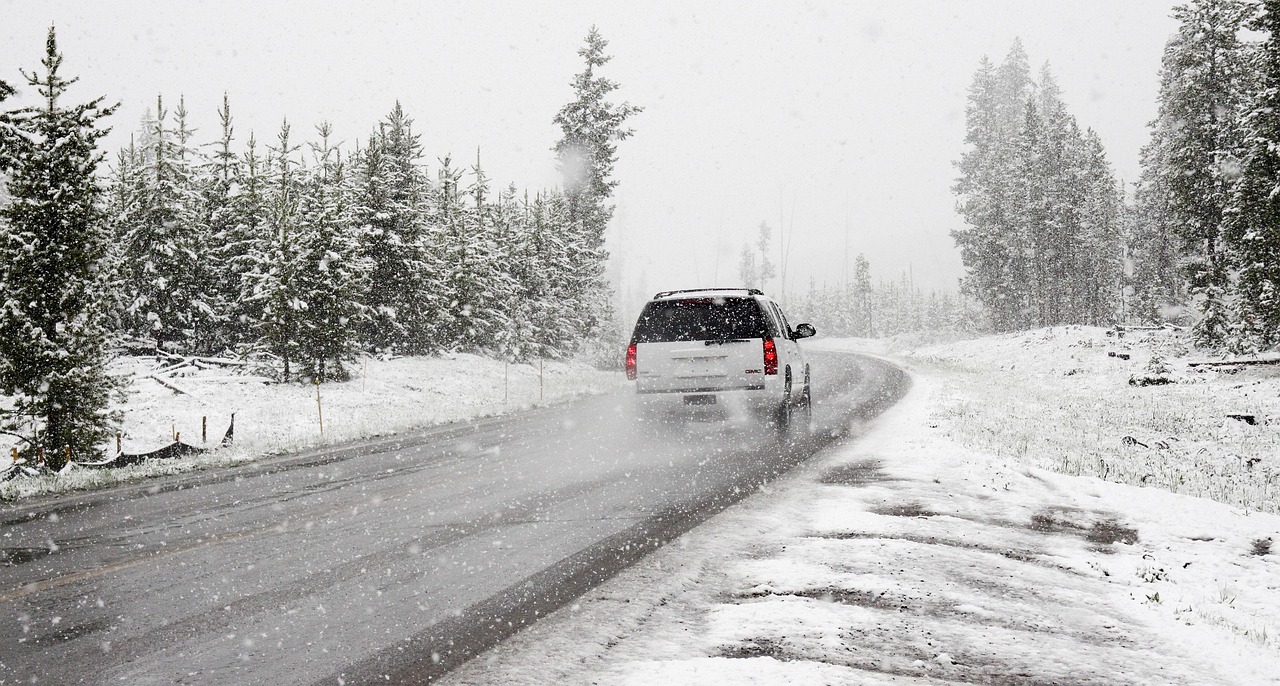
Picture this: the sun sets at 4:30, the temperature slides to -25°C, and your windshield washer jets freeze just as a gust sweeps snow across the highway. That’s a regular Tuesday in an Alberta cold snap. The good news? With the right setup and a few new habits, you can handle it like you were born here. This guide gives you Alberta-specific driving tips, vehicle care, and car maintenance strategies so your first winter behind the wheel is safe, sane, and surprisingly stress-free.
Why Alberta Winter Is Different
- Cold that bites: It’s common to see -20°C to -30°C stretches, and wind chills below that. Batteries, fluids, and plastics behave differently in this range.
- Freeze–thaw cycles: Chinooks and sudden warm-ups melt snow, then refreeze it into black ice overnight.
- Road treatments: Expect a mix of sand, gravel, and brines. Great for traction, rough on paint, windshields, and underbodies.
- Long distances and wildlife: Rural drives can be far between services, and deer or elk can appear when visibility is worst—dawn and dusk.
Prep Your Vehicle Before the First Cold Snap
Winter safety starts in your driveway. Here’s a step-by-step Alberta checklist to winter-proof your ride.
1) Commit to Real Winter Tires
- Look for the mountain-snowflake symbol: That means true winter tires, not just all-seasons. Alberta cold hardens all-season rubber; winter compounds stay pliable below 7°C.
- Right size and tread: Narrower tires can help cut through slush. Target at least 6 mm of tread depth heading into winter; under 4 mm, plan to replace.
- Studded tires: Studded tires are legal in Alberta. They’re excellent on hard ice, though noisier on dry pavement. Not necessary for everyone, but a great option if you frequent icy secondary roads.
- Inflation in the cold: Tire pressure drops about 1 psi for every 5–6°C. Check monthly and set to the door-jamb spec (usually around 220–240 kPa/32–35 psi) when tires are cold.
2) Battery, Block Heater, and Oil
- Battery health: Cold slashes cranking power. If your battery is 4–5 years old, get a load test. Consider a battery with higher CCA (Cold Cranking Amps). Keep terminals clean and tight.
- Block heater basics: Most Alberta vehicles have them; if you don’t, ask about installing one. Plug in at -15°C or colder; 2–4 hours on a timer is usually enough. Use a heavy-duty, cold-rated extension cord and a GFCI outlet.
- Engine oil viscosity: Check your owner’s manual for winter weights (0W-20 or 0W-30 are common). Lower “W” flows better at start-up, reducing wear.
3) Fluids, Wipers, and Lights
- Coolant/antifreeze: Verify freeze protection to at least -40°C. A simple tester can confirm the mix.
- Windshield washer fluid: Use -40°C or -45°C rated fluid. Summer blends will freeze solid in the lines.
- Wiper blades: Winter blades with a rubber boot prevent ice buildup. Replace if they chatter or leave streaks.
- Headlights and taillights: Clean lenses often; salt haze reduces output. Switch to full headlights in snow and low light—DRLs don’t always activate taillights.
4) Protect Paint and Undercarriage
- Undercarriage washes: After storms or slushy weeks, rinse the underbody to remove brine and gravel.
- Mud flaps and film: Gravel chips are common; mud flaps and a clear film on the hood/rockers help.
- Rust protection: Consider an annual corrosion treatment, especially if you plan to keep the car long-term.
Build a Smart Alberta Winter Emergency Kit
For urban commutes or long prairie runs, your kit should cover staying warm, getting unstuck, and calling for help.
- Compact shovel, traction mats, and a bag of sand or kitty litter
- Booster pack (keep it warm) or quality jumper cables
- Tow strap rated for your vehicle’s weight and knowledge of your tow points
- Blanket, spare gloves, toque, and hand warmers
- LED flashlight/headlamp with spare batteries
- Hi-vis vest and reflective triangles
- Phone charger and power bank
- Snacks and water (insulated to avoid freezing)
- Basic first-aid kit
- Windshield scraper and a small snow brush for tight spots (keep the full brush in the cabin)
Bonus for diesel owners: carry an anti-gel additive and ensure you’re using winter diesel.
Driving Techniques That Actually Work Here
Think smooth, patient, and predictable. Alberta winter rewards calm inputs and good spacing.
Braking and Cornering
- Leave room: Aim for a 6–8 second following distance on slick roads. More if it’s snowing hard.
- ABS is your friend: If you need to stop hard, press firmly and steer. You’ll feel pulsing—that’s normal.
- Turn, then accelerate: Reduce speed before the corner, coast through, and add gentle throttle once the wheels are straight.
- No cruise control on ice: Keep full control of throttle to avoid sudden wheelspin.
AWD/4x4 vs. Winter Tires
AWD helps you go; winter tires help you stop and turn. If you can only do one thing this season, invest in proper winter tires. Pairing AWD with good winters is confidence-inspiring, but even a front-wheel-drive car on true winter rubber outperforms AWD on worn all-seasons.
Visibility Habits
- Clear it all: Roof, hood, lights, and license plates. Flying snow off your roof can blind the driver behind you and earn a ticket.
- Defrost, don’t just idle: Use the rear defogger and proper HVAC settings. Crack a window slightly to reduce interior fogging.
- Use headlights, not just DRLs: In snow, dusk, or fog, turn on full headlights so your taillights are on too.
Parking, Starting, and Daily Routines
- After a wash, avoid setting a manual handbrake: Moisture can freeze cables or pads. Put the car in Park and use wheel chocks on steep grades if needed. Electronic parking brakes are generally fine.
- Warm-up wisely: Idling forever wastes fuel and creates extra moisture. Two to three minutes, then drive gently as fluids warm.
- Keep the tank half-full: Reduces condensation and gives you margin if traffic stalls in a storm.
- Watch for wildlife: Dawn/dusk are active times. Scan ditches for eye-shine and slow down where sightlines are poor.
Buying Your First Winter-Ready Vehicle in Alberta
Shopping during winter? Smart. Sellers are motivated, and you’ll learn how the vehicle behaves in cold conditions. Here are Alberta-focused car buying tips that go beyond the basics.
Choose Features That Matter in the Cold
- Factory block heater and remote start: A block heater is a must-have here. Remote start is handy, but make sure you never warm the car in a closed space.
- Heated seats/steering wheel and heated windshield area: These reduce idling time and clear frost faster.
- All-weather mats and cargo liner: Protects carpet from slush and salt; easier to clean in spring.
- Headlights you can trust: Look for LEDs with proper beam pattern and heated mirrors to maintain visibility.
Inspect With Winter in Mind
- Battery and charging system test: Ask for a printout showing CCA and state of health.
- Tires and a second wheel set: A separate set of winter tires on steel or alloy rims saves money long-term and makes swap-overs easy.
- Undercarriage and rockers: Check for rust, cracked coatings, and evidence of brine damage.
- 4x4/AWD system check: Ensure couplers engage smoothly and there are no binding noises on tight turns.
- Heater core and HVAC: Confirm strong heat output and a working blend door. Poor heat is a dealbreaker in -25°C.
Paperwork That Matters in Canada
- History report: Ask for a comprehensive Canadian history (e.g., collision, lien, province of registration).
- Pre-purchase inspection (PPI): Have a trusted shop check brakes, suspension, tires, and leaks. Worth every penny.
- Out-of-province considerations: If buying from another province, factor in any required inspections and taxes.
Where to Shop and How to Compare
Whether you’re browsing new and used cars Edmonton shoppers often search for or casting a wider net across a car marketplace Alberta buyers trust, compare listings with winter in mind: Does the vehicle come with a second set of wheels? Are there recent receipts for a battery or block heater? On an open car marketplace, you can often message private sellers to confirm cold-start behaviour, idle quality at -15°C, and recent maintenance.
At Driving With Us Auto Market, we list both new and used vehicles and also host an open marketplace where private sellers can post their cars. That makes it easy to line up dealership inventory with private seller cars Alberta-wide, then choose the best fit for your winter needs.
Financing the Winter Essentials
Budget for winter tires, mats, remote start, and a battery if needed. Many buyers roll these into vehicle financing Canada lenders provide, including when purchasing from private parties. We can help arrange financing for both dealership purchases and private-sale transactions so you can leave room in your cash flow for insurance and fuel.
If You’re Selling a Car This Winter
Cold weather can actually help your listing stand out. Here are private seller tips tailored for Alberta:
- Prove cold-start confidence: Record a quick morning cold-start video and mention the temperature.
- List winter gear: Include tire brand/tread depth, block heater details, and any remote start features.
- Detail the salt: Remove salt stains from carpets and clean the engine bay lightly (don’t soak connectors).
- Clear snow for photos: Bright daytime shots with a clean exterior and no snow on the roof say “well cared for.”
- Safe test drives: Plowed route, good visibility, and gentle pace. Have a shovel and traction mats on hand just in case.
Our open marketplace connects buyers and sellers across the province. If you’re selling your car, highlight maintenance records and offer flexible viewing times during daylight. That’s what buyers scanning auto sales Edmonton pages and similar listings elsewhere are looking for in winter.
Maintenance Calendar: December to March
- Early winter: Install winter tires, test battery, top up -40°C washer fluid, and confirm block heater works.
- Mid-winter check: Re-torque winter wheels if required, wash the undercarriage, and recheck tire pressures.
- Late winter (freeze–thaw season): Clean headlight lenses, inspect wipers, and monitor for new rock chips—touch up quickly to prevent rust.
Common Winter Myths in Alberta—Busted
- Myth: “AWD means I don’t need winter tires.”
Fact: AWD helps you move; winter tires help you stop and steer. - Myth: “Let it idle for 15 minutes every morning.”
Fact: Two to three minutes is plenty. Drive gently to warm up faster and reduce moisture inside. - Myth: “All-season tires are fine if you’re careful.”
Fact: In -10°C and below, most all-seasons harden and lose grip. Real winters are a big safety upgrade. - Myth: “Daytime running lights are enough.”
Fact: DRLs often don’t activate taillights. Use full headlights in snow, dusk, and dawn.
Quick Checklist You Can Screenshot
- Winter tires with the mountain-snowflake symbol; 6 mm+ tread
- Battery tested and strong CCA; clean terminals
- Block heater tested; cold-rated extension cord and timer
- -40°C washer fluid; winter wipers installed
- All lights clean; use full headlights in low visibility
- Emergency kit: shovel, traction, booster, warm gear, tri-angles
- Cabin clear: scrape all windows, roof, hood, and plates
- Drive smooth: no cruise control on ice; leave 6–8 seconds gap
Shopping and Support Across Alberta
Whether you’re comparing dealership listings or skimming a vehicle marketplace Edmonton shoppers browse, focus on winter-readiness: real winter tires, a healthy battery, and proof the block heater works. At Driving With Us Auto Market, our dealership inventory sits alongside private seller listings so you can compare options in one place. Need help spreading costs? We offer financing on both dealership and private-sale purchases. That way, your budget covers what matters most—safety and confidence when it’s -25°C and the road disappears in swirling snow.
Bottom line: Alberta winter doesn’t have to be scary. With solid preparation, the right gear, and a few new habits, you’ll be the calm, confident driver everyone wants to follow in a storm.
Note: Always follow your owner’s manual and provincial regulations. Conditions vary—adjust your driving to match traction and visibility.