Your First Alberta Winter: The Driver’s Survival Playbook
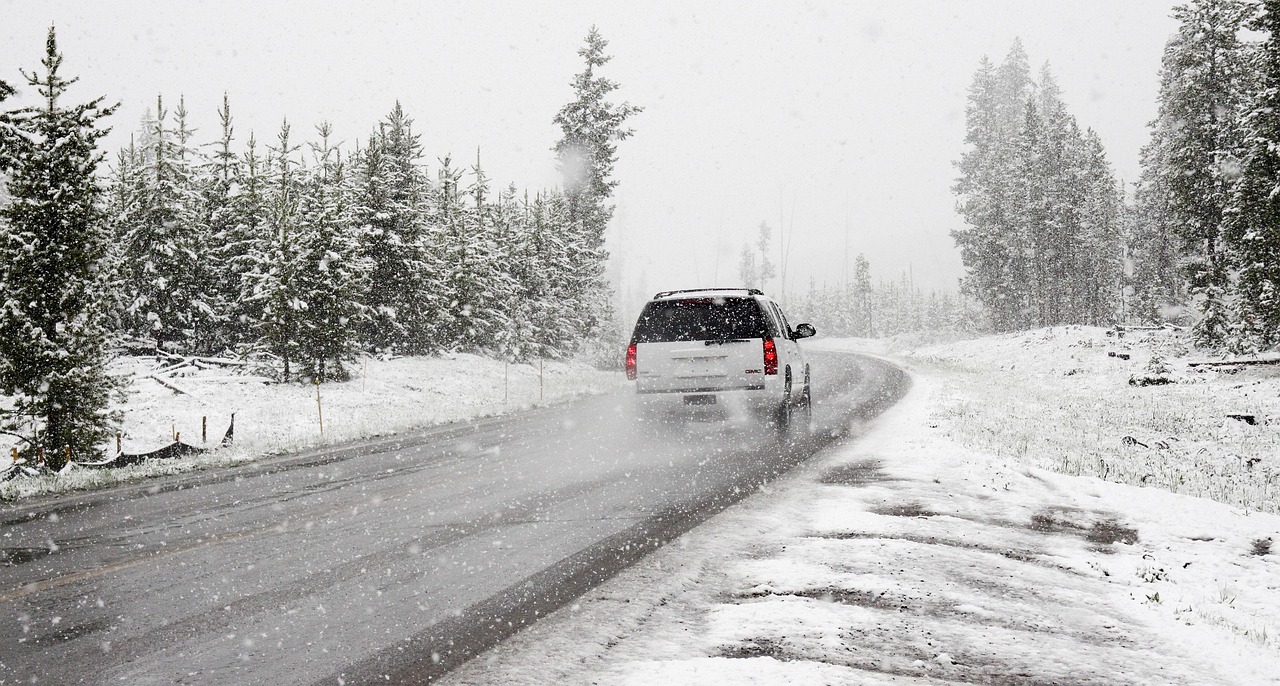
Ever watched your breath fog up the cabin while the wipers chatter over frost and you realize the highway to Calgary looks like a skating rink? Welcome to your first Alberta winter behind the wheel.
In Okotoks, winter is a shape-shifter. One day it’s -30°C and crunchy snow, the next a chinook roars through, melts everything, and overnight it all re-freezes into glassy black ice—especially near the Sheep River and shaded stretches on Milligan Drive. Whether you’re commuting up 2A toward De Winton, hopping on Highway 2 for a Deerfoot Trail run, or navigating neighbourhood hills off 32 Street, this guide will walk you through the car care and driving habits that actually work here.
Know Your Local Winter: Okotoks Conditions That Catch Drivers Out
Alberta winters don’t just change by the week—they change by the hour. In Okotoks and Foothills County, keep these quirks in mind:
- Chinook flip-flop: A warm wind can bump temps from -20°C to +5°C in a day. Meltwater pools in the afternoon and freezes into black ice by evening—watch shady spots on Milligan Drive, 32 Street by the escarpment, and bridge decks over the Sheep River.
- Drifting on open stretches: Highway 7 west of town and rural roads across the prairie can drift shut fast. Even if the pavement looks bare, those wind-polished lanes can be slick.
- Wildlife at dusk: Deer love the river valley and coulees. Expect surprise crossings along 2A and on the outskirts of town at dawn and dusk.
- Commuter pinch points: When you hit the Calgary edge and merge toward Deerfoot, expect packed snow evolving into rutted ice. Slow inputs and patience beat heroics.
Build a Winter-Ready Car (Or Make Your Current Ride Brave the Cold)
1) Tires: Your single best upgrade
Forget the “all-season” myth. For Okotoks, you want the Three-Peak Mountain Snowflake (3PMSF) symbol on the sidewall.
- Dedicated winter tires vs. all-weather: True winters (3PMSF) are best once temps consistently drop below 7°C. All-weather tires (also 3PMSF) can stay on year-round if you don’t want seasonal changes, but they’re a compromise. Summer tires are a hard no.
- Studded tires: Alberta allows studded tires on passenger vehicles in winter (generally October 1 to April 30). They help on hard ice common after chinooks, but they’re noisy and can lengthen stopping on bare pavement. Great for rural runs; overkill if you mostly stick to plowed town streets.
- Size and pressure: Slightly narrower tires can cut through slush better. Keep pressures up—cold air drops PSI, and under-inflation kills grip and fuel economy. Check monthly, preferably in your garage, before you drive.
- Fresh tread matters: Under 6/32" tread, snow performance falls off quickly. If you’re buying used, measure before you commit.
2) Battery, block heater, and cold starts
- Battery test: Sub-zero temps slash capacity. Have your CCA (cold cranking amps) tested before deep cold hits. If the battery is 4+ years old, consider a preemptive replacement.
- Block heater: In Okotoks, plug in at about -15°C or colder (sooner if it’s windy and your commute is short). Use a timer set for 3–4 hours pre-start to save power. Make sure the cord is intact and the cap seals tight.
- Oil and fluids: Use oil viscosity recommended for cold climate (common: 0W-20 or 0W-30). Top coolant to the correct mix, and fill washer fluid rated to -40°C. Keep a spare jug in the trunk.
3) See and be seen
- Wipers and defrost: Install winter blades in late October. Defrost fully and scrape all windows—police can ticket you for peep-hole driving, and it’s simply unsafe.
- Headlights: Many modern cars run DRLs only—no taillights. Manually turn on your headlight switch in snow, fog, and dusk so drivers behind you can see you on Southridge Drive or Northridge.
- De-icing aids: A hydrophobic glass treatment helps water bead off and reduce fogging.
4) Winter emergency kit for the Foothills
- Insulated gloves, toque, and thermal blanket
- Booster cables or a compact jump pack (cold-rated)
- Shovel and traction aid (sand or kitty litter)
- Tow strap (if you drive rural grids)
- Headlamp, flares/reflective triangles
- Phone charger and power bank
- Spare washer fluid and ice scraper with a snow brush
- Non-perishable snacks and water (kept inside the cabin so it doesn’t freeze solid)
Driving Techniques That Actually Work in Okotoks
1) Gentle inputs win commutes
On packed snow or ice, pretend your pedals are eggshells. Easy throttle, early braking, and smooth steering prevent the traction control light party. Keep at least a four-second gap in town; stretch it to six on Highway 2.
2) Braking on black ice
ABS will chatter—let it. Push firmly and steer around obstacles. If you feel the car sliding, look where you want to go and ease off the brake slightly while you regain grip. Downshifting for engine braking helps on the hills around 32 Street and by the river valley.
3) Skip cruise control in slick conditions
On 2A or 2 south toward High River, cruise can surprise you in a drift patch. Keep full control with your foot.
4) Ruts and windrows
After a big dump, lane ruts form quickly. Stay in them unless it’s unsafe; changing lanes across ridges can yank your wheels. If you must, signal early, straighten the wheel, apply a bit of throttle, and move decisively.
5) Parking and plow etiquette
Downtown along Elizabeth Street, watch for snow route advisories and temporary parking bans—Okotoks posts updates on its Snow & Ice Control page. Park facing out when you can, flip your wipers up during heavy snow, and clear the roof so your rear window doesn’t get buried on your first brake tap.
Picking the Right Vehicle for Winter Life (Whether You’re Buying or Sticking With Yours)
If you’re shopping before the freeze, a few features make day-to-day Okotoks driving easier:
- AWD vs FWD: FWD with proper winter tires is fine for in-town and highway commutes. AWD shines when you live on rural acreage roads west of town or regularly tackle unplowed mornings. Remember: AWD helps you go, not stop.
- Ground clearance: If you take Highway 7 after storms or explore gravel grids in Foothills County, extra clearance saves bumpers and undertrays.
- Warmth trifecta: Heated seats, heated steering wheel, and remote start make dawn drives easier. A windshield de-icer strip and heated mirrors are worth every penny.
- Safety tech: Winter-friendly traction/stability control is standard now; look for adaptive headlights and a good forward collision system for dusk deer surprises.
- Truck tips: RWD half-tons need proper winter or snow-rated LT tires and a few sandbags secured over the rear axle. Don’t overload the bed—balance is key.
When browsing across Alberta, you might see references to auto sales Edmonton or a vehicle marketplace Edmonton. Casting your net beyond Calgary can expand choices and pricing, especially for popular AWD crossovers and winter-ready trucks. Our region-wide car marketplace Alberta inventory includes dealership vehicles and private seller cars Alberta, so you can compare options side by side.
Smart Shopping: Find It, Inspect It, Finance It—Even in Winter
1) Where to shop
Start local in Okotoks and Calgary, then widen your search to Red Deer and Edmonton for selection. If you’re browsing new and used cars Edmonton through an open car marketplace, factor in a day trip and plan pickups around weather windows—511 Alberta is your friend for road reports.
At Driving With Us Auto Market, we list both new and used vehicles and host an open marketplace where private sellers can post their cars. That way you can compare dealer inventory with private listings in one place without juggling tabs.
2) What to inspect for winter readiness
- Tires: Look for the 3PMSF symbol and confirm tread depth. Ask if a second set of rims/tires is included—many Alberta owners keep a dedicated winter set.
- Block heater: Verify there’s a cord and it’s functional. No cord? Budget for install.
- Battery and charging: Request a battery test printout. Dim lights or slow cranking on a test drive are red flags.
- Undercarriage: Alberta uses sand and some anti-ice treatments; check for rust starting along rockers and brake lines. Fresh undercoating isn’t a guarantee—look for clean, consistent application.
- Heater/defrost: Make sure both blast hot air quickly. Foggy, sweet-smelling air could mean a heater core leak.
3) Private sale confidence
If you love a car posted by a private seller, meet in a public, well-lit spot—Okotoks Recreation Centre or near the RCMP detachment works. Bring a bill of sale template, verify the VIN, and run a history report. Protect yourself with a lien check; we can help with that if you need it.
4) Financing without friction
Whether it’s a dealer unit or a private listing, winter shouldn’t slow you down. We offer vehicle financing Canada-wide for both dealership purchases and private sale transactions, so you can secure the right vehicle before the next cold snap. Consider rolling a winter tire package and remote starter into the loan if your budget allows—it’s a smart safety upgrade.
Maintenance Calendar: October to April in Okotoks
- Late October: Mount winter tires, install winter wipers, swap in -40°C washer fluid, test the battery, and confirm the block heater works. Load your winter kit.
- November: After 100 km on new wheels, re-torque lug nuts to the manufacturer’s spec. Check tire pressures as temps fall.
- December: Inspect brake pads and rotors—salt and grit accelerate wear. Lube door seals to prevent freeze-shut doors.
- January deep freeze: Plug in overnight if it’s -20°C or colder. Weak starts? Don’t keep cranking—jump safely and test the battery.
- February: Fix windshield chips before they spider in the chill. Top up washer fluid and replace a streaky blade.
- March: Freeze-thaw means potholes on Northridge and around industrial areas. Check alignment if you feel a pull or vibration.
- Early April: Keep winters on until daytime highs are consistently above 7°C and the overnight freeze cycle calms down.
Hands-On Driving Tips for Okotoks Routes
- Sheep River bridges: Bridge decks freeze first. Ease off before you hit them; avoid sudden braking on the span.
- 32 Street hills: Leave extra space climbing and descending. If you stop midway, start in a higher gear (manual) or use “snow” mode (auto) to reduce wheelspin.
- Highway 2 merges: Packed, polished ice forms in acceleration lanes. Accelerate gently, pick a clear gap, and avoid last-second lane changes.
- Residential side streets: Rutted snow can high-center low cars. Angle in and keep momentum, but be ready to stop for kids and pets playing near windrows.
Vehicle Care Myths—Busted
- “AWD means I’m invincible.” It helps you launch, not stop. Braking distances still rely on your tires.
- “Idling for 10 minutes warms up the car best.” Idle for 30–60 seconds, then drive gently—this warms drivetrain and cabin faster and saves fuel.
- “All-season tires are fine if I drive slowly.” Below 7°C, rubber hardens. True winters or all-weather 3PMSF make a massive difference in stopping distance.
Selling Your Car Mid-Winter? It Can Actually Help You
Shoppers hunting for winter-ready vehicles don’t take a season off. If you’re selling your car in Okotoks, a clean set of winter tires and proof of recent service make your listing stand out. Shoot photos after a fresh wash at plus temps (use a touchless wash), then park in clean snow with the sun at your back. Include close-ups of tread, block heater cord, and the interior heater controls.
Our open marketplace connects buyers and sellers across Alberta, so your listing reaches folks searching for private seller cars Alberta and dealership options in the same place. We also help with safe, secure payments and can line up financing for your buyer—even on private sales. Those private seller tips save a lot of back-and-forth and help you sell faster.
Budgeting and Financing for Winter Reality
- Plan for tires: Budget $900–$1,600 for a quality winter set with rims (size and vehicle vary). Spreading cost within your loan keeps cash flow steady.
- Emergency fund: Keep a small buffer for a battery or alternator surprise when -25°C hits.
- Financing tools: Pre-approve before you shop so you can jump on a good listing during a weather window. Our vehicle financing Canada options work for both dealer and private listings—handy if the perfect car pops up in Calgary or Edmonton.
Stretching Your Search: Calgary to Edmonton
Okotoks inventory moves fast after the first snowfall. If you’re not finding the right fit, broaden your search. Edmonton has deep inventory for AWD crossovers and trucks, and you’ll see lots of new and used cars Edmonton listings during winter. Through an open car marketplace like ours, you can filter by winter features, compare dealer offerings with private seller cars Alberta, and even sort by packages that include winter tires. Whether you’re browsing a vehicle marketplace Edmonton selection or Calgary dealers, we can coordinate inspections and financing so you don’t have to play phone-tag across cities.
Quick Okotoks Winter FAQ
Do I really need AWD? Not mandatory in town, but it’s great for rural roads and deep snow days. Tires matter more than the number of driven wheels.
When should I plug in? Around -15°C or colder, or anytime the car sits outside overnight and you want easier starts.
Are studded tires legal? Yes, they’re permitted in Alberta during winter on passenger vehicles. They’re most useful on hard ice after chinooks.
What tire pressure should I run? Use the door-jamb sticker; check monthly and before long drives. Expect pressure to drop as temperatures fall.
Where do I check roads? 511 Alberta for real-time conditions and the Town of Okotoks site for snow route updates and plow priorities.
The Bottom Line
Winter doesn’t have to be a white-knuckle season in Okotoks. Build your car for the cold, practice the right habits on our local roads, and shop smart for features that make every frosty morning easier. If you’re comparing dealership stock and private listings, Driving With Us Auto Market brings both worlds together in one place and offers financing for either route. Whether you land the perfect crossover in Calgary or spot a gem among auto sales Edmonton, you’ll be ready to roll—block heater plugged in, winter tires biting, and confidence high.