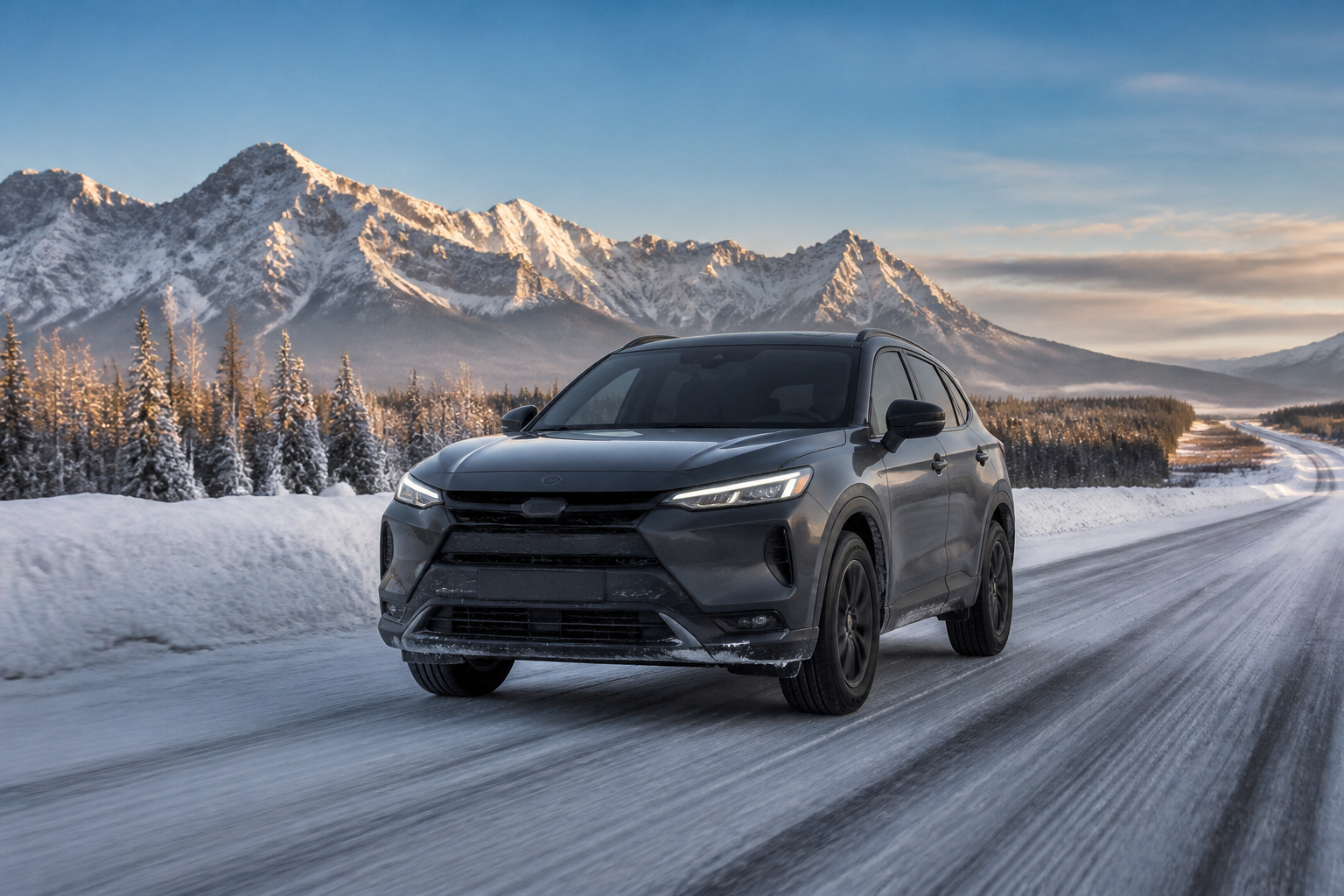
2026 Hybrids for Alberta’s Rugged Roads: The Shortlist
Cold mornings, gravel roads, and serious wind: why hybrids finally fit Alberta
Ever idled in a frozen parking lot at -30°C, watching your fuel gauge slide the wrong way? Alberta’s mix of deep cold, long distances, and rutted secondary roads is hard on vehicles—and on wallets. The latest wave of hybrids changes that math. With instant electric torque for slick takeoffs, efficient cruising for highway stretches, and increasingly robust AWD systems, 2026’s hybrid lineup is tailor‑made for the province’s reality.
Quick myth-buster: modern hybrids aren’t fragile in winter. Today’s systems feature battery thermal management, heat pumps (especially on many PHEVs), and e‑AWD or mechanical AWD tuned for traction. If you pair the right hybrid with true winter tires (3‑Peak Mountain Snowflake), you’ll feel the difference on icy mornings and muddy shoulders alike.
What to look for in a hybrid for Alberta’s rugged roads
- All‑wheel drive that works in the cold: Many compact and midsize hybrid SUVs offer e‑AWD (an electric motor drives the rear axle) or conventional AWD. Both can be effective for winter traction; focus on response time and snow modes.
- Ground clearance and approach angles: Aim for roughly 200 mm (about 8 inches) of clearance if you hit gravel, washboard or snow ruts often.
- Battery thermal management: For PHEVs, a heat pump and battery warming help preserve EV range during deep cold snaps.
- Towing and payload: Hybrids vary widely. Some compact SUVs manage small utility trailers; hybrid pickups tow far more. Always check your vehicle’s specific rating.
- Winter‑ready features: Heated wheel and seats, heated wiper park, remote start with preconditioning, all‑weather mats, block heater access, and a 120V outlet for a trickle charger if you run a PHEV outdoors.
- Durability touches: Underbody shielding, tow hooks, full‑size spare (if possible), and roof rails that can handle ski boxes or recovery boards.
2026 standout hybrid picks for Alberta (by category)
Note: Availability and trim details evolve. Use this as a shortlist to test drive and confirm specs locally. We reference 2025/early‑announced 2026 info where available; always verify final Canadian configurations before you buy.
Compact and midsize hybrid SUVs: the Alberta sweet spot
- Toyota RAV4 Hybrid and RAV4 Prime (PHEV): The benchmark for cold reliability, with quick e‑AWD engagement and practical ground clearance. The Prime’s plug‑in range can cover many weekday errands on electricity, yet it still behaves like a normal hybrid when it’s -30°C and the pack is cold. Tow ratings vary by configuration but are competitive for the class.
- Honda CR‑V Hybrid (AWD): Comfortable highway manners and predictable winter handling. The hybrid AWD system is tuned for smoothness on slick on‑ramps and windswept intersections.
- Hyundai Tucson Hybrid/PHEV and Kia Sportage Hybrid/PHEV: Strong value, HTRAC‑style AWD, plenty of tech. The PHEV versions typically offer heat pump systems to help winter range and quick cabin warm‑up.
- Ford Escape Hybrid (available AWD): A fuel‑sipper that’s easy to live with, widely available used, and a friendly choice for drivers transitioning from non‑hybrids.
Three‑row and family‑road‑trip heroes
- Toyota Grand Highlander Hybrid and Highlander Hybrid: Room for the crew, lots of cargo, and highway efficiency that pays off on cross‑province trips.
- Kia Sorento Hybrid/PHEV: Flexible seating and confident winter road manners; the PHEV’s electric running is great for school runs and errands.
- Mitsubishi Outlander PHEV (S‑AWC): A cold‑climate favourite. Its all‑wheel‑control calibration and available third row make it one of the most Alberta‑friendly plug‑ins.
Hybrid pickups for work and weekend
- Ford F‑150 PowerBoost Hybrid: Serious towing and payload with the bonus of onboard power—ideal for job sites, tailgates, or powering a block heater at a remote plug‑less spot (within capacity; follow owner’s manual).
- Toyota Tundra Hybrid (i‑FORCE MAX): Turbo‑hybrid torque that makes towing and passes against a prairie headwind feel easy. Expect strong long‑term durability.
- Toyota Tacoma Hybrid (i‑FORCE MAX): The latest generation brings hybrid power to a beloved midsize off‑roader. For washboard or forestry access, the right tires and off‑road package matter as much as the powertrain.
Rugged/off‑road electrified options
- Jeep Wrangler 4xe (PHEV): Electric torque on rocky two‑tracks, gas backup for range. Bring a Level 2 home charger if you want daily EV commuting and weekend trail capability in one.
- Toyota Land Cruiser (hybrid): The name says it all. With its hybridized turbo‑four and off‑road chops, this icon’s return pairs old‑school durability with new‑school efficiency. A compelling fit for Alberta’s rougher routes.
HEV vs PHEV in Alberta: pick your power plan
- HEV (conventional hybrid): No plugging required, excellent winter reliability, and predictable economy on long runs. Ideal if you do big weekly kilometres or can’t install a home charger.
- PHEV (plug‑in hybrid): Daily EV commuting plus hybrid range for road trips. Expect 20–40% winter EV‑range loss in deep cold, but you’ll still benefit from pre‑heating while plugged in and from low‑speed electric torque on snow.
Tip: If you can mount a Level 2 charger at home or at work, a PHEV like the Outlander or RAV4 Prime can slash fuel use nine months of the year. If you’re often far from plugs, a strong HEV might be the better play.
What’s new for 2026: Alberta‑relevant hybrid trends
- More hybrid trucks and off‑roaders: Automakers are expanding hybrid options in pickups and trail‑ready SUVs. That’s great for towing and for remote‑area reliability.
- Better cold‑weather tech: Broader adoption of heat pumps, battery warmers, and DC‑fast‑charge preconditioning on PHEVs. This improves comfort and winter usability.
- Marketplace trends: Expect growing supply of late‑model used hybrids as leases mature, easing prices on 2021–2024 units—excellent news for value‑hunters.
- Policy pressure in car news Canada: Federal emissions targets are nudging more hybrid availability nationwide. Watch for refreshed trims and new packages oriented to winter climates.
- New car releases: Subtle mid‑cycle updates are likely across popular hybrid SUVs. Always confirm final Canadian specs and pricing before you commit.
Alberta‑specific ownership tips (that actually matter)
Winter tires and traction
- Use true winter tires with the 3‑Peak Mountain Snowflake symbol. All‑weathers are better than all‑seasons, but still a compromise in deep cold.
- Studded tires are legal in Alberta for passenger vehicles; they can help on icy rural highways. Swap seasonally to protect dry‑road grip and noise.
Block heaters and pre‑conditioning
- Block heater: Even on hybrids, a block heater shortens warm‑up and reduces fuel burn on bitter mornings. Use a timer to save power.
- Pre‑conditioning: Warm the cabin while plugged in (especially with PHEVs). You step into a warm car and preserve EV range.
Charging in the cold (for PHEVs)
- Level 2 at home is the gold standard. Public charging in rural Alberta exists but can be spaced out; plan trips accordingly.
- Expect slower fast‑charging in deep cold as the car protects the battery. Use preconditioning if your vehicle supports it.
Protecting the underside
- Consider dealer or aftermarket skid protection if you frequently travel on loose gravel or pasture tracks.
- Rust protection can help with winter brine and gravel rash, especially if you keep vehicles long‑term.
Buying smart in Alberta: inspections, paperwork, financing
Used or private‑sale checklist
- VIN history and liens: Pull a vehicle history (e.g., CARFAX Canada) and an Alberta Vehicle Information Report (VIR) to check for liens before you hand over cash.
- AMVIC matters: If buying from a business, verify it’s AMVIC‑licensed and ask for the required disclosures (previous use, accident history, warranties, etc.).
- Hybrid battery health: Request service records and a hybrid system check. Many brands offer long hybrid battery warranties (often around 8 years/160,000 km—verify for the specific vehicle).
- Pre‑purchase inspection: Have an independent mechanic check tires, brakes, suspension bushings, underbody damage, and cooling/thermal systems for the hybrid components.
- Out‑of‑province units: Budget for Alberta’s out‑of‑province inspection if applicable.
Financing fit for Alberta buyers
Budgeting for a hybrid is like speccing winter tires—you want the right setup, not just the cheapest set. If you’re comparing offers across an open car marketplace, bring a solid pre‑approval to the table so you can act fast on a well‑kept unit. You can also get pre-approved before you shop; it helps you filter vehicles by realistic payment and rate expectations.
Have unique circumstances? Alberta’s economy is full of scrappy entrepreneurs and folks rebuilding credit. If that’s you, these resources can help:
- Credit rebuilding and second‑chance options: bad credit car loans
- Zero‑cash start for the right applicant profile: $0 down car loans
- Contractors and gig workers: self-employed car loans
- Fresh start planning: car loans after bankruptcy
Note on incentives: Federal iZEV rebates apply to eligible PHEVs within Transport Canada MSRP and battery‑capacity thresholds. Alberta has no separate provincial EV rebate at the time of writing; always confirm current programs before purchase.
Where an open marketplace helps
Driving With Us Auto Market is an Alberta‑based, open marketplace where dealers, partners and private sellers list vehicles province‑wide. As an AMVIC‑licensed automotive agent/broker (not a lender or retail dealership), we also support financing for both dealer and private‑sale transactions. Approvals and terms always depend on lender review, and participating dealerships—not Driving With Us—handle lender submissions and credit checks with your proper authorization. We don’t sell application or lead data; we only share what’s needed to deliver the service you ask for. A sourcing inquiry or public application form doesn’t authorize us to obtain a credit report.
Why this matters for hybrids: the wider your search radius, the likelier you’ll find the right trim (think heat pump on a PHEV, tow package, or cold‑weather group) and a maintenance history that passes muster.
Spec tips for Alberta conditions (by model type)
- Compact/midsize SUVs (RAV4 Hybrid/Prime, CR‑V Hybrid, Tucson/Sportage): Prioritize winter packages (heated wheel, heated wiper park), roof rails for ski boxes, and all‑terrain or severe‑snow‑rated tires if you live on gravel. Consider splash guards and underbody protection.
- Three‑row family rigs (Grand Highlander/Highlander Hybrid, Sorento Hybrid/PHEV, Outlander PHEV): Look for second‑row heat, tri‑zone climate, and an upgraded alternator or inverter if you plan to run accessories in the cold. If towing a sled trailer, confirm your exact hitch and wiring are rated for the load.
- Hybrid pickups (F‑150 PowerBoost, Tundra/Tacoma Hybrid): Choose the off‑road package that matches your roads (e‑locker, low‑range, or terrain modes). Factory skid plates, tow hooks, and all‑terrain tires are worth every penny on lease roads and cutlines.
- Rugged PHEVs (Wrangler 4xe): If you wheel in winter, run a battery blanket or garage charge when possible, and keep recovery gear accessible. Factor EV‑range loss into route planning.
Used vs. new hybrids in 2026: where the value sits
Used (2019–2023) compact/midsize hybrids are the Alberta value play right now. They’ve absorbed the steepest depreciation, many still carry hybrid‑system warranty, and parts availability is strong. Pay close attention to suspension wear (gravel roads), windshield chips, and underbody rash—honest signs of Alberta life. For PHEVs, verify charging history and that all included charge cables are present.
New 2026 models deliver the best cold‑weather tech, improved driver assists, and incremental gains in economy and towing. If you’re hauling or running serious kilometres, the enhanced efficiency and warranty coverage can pencil out over the ownership cycle.
Quick shortlist by Alberta use case
- Daily commuter who hits gravel weekly: RAV4 Hybrid, CR‑V Hybrid, Tucson Hybrid. Focus on winter tires and mud flaps; add a cargo liner for muddy boots.
- Family of five and frequent ski trips: Grand Highlander Hybrid, Sorento PHEV, Highlander Hybrid. Seek tri‑zone heat and roof crossbars for the ski box.
- Towing a small camper or sleds: F‑150 PowerBoost Hybrid, Tundra Hybrid, RAV4 Prime (for lighter trailers). Confirm tow ratings and load distribution; consider a brake controller.
- Accessing a remote cabin: Land Cruiser (hybrid) or Tacoma Hybrid. Add real A/T tires, recovery points, and an emergency kit rated for deep cold.
Marketplace and financing next steps
If you’re comparing listings across a car marketplace in Alberta, filter by AWD, ground clearance, and cold‑weather features first—powertrains second. That’s the Alberta way. On financing, lock a realistic ceiling before you book test drives so you can move quickly when the right unit appears. You can get pre-approved now, explore $0 down car loans if you’re conserving cash for winter tires, and check bad credit car loans or self-employed car loans if your situation needs extra flexibility.
Whether you prefer dealer‑listed inventory or private seller cars in Alberta, an open car marketplace helps you spot the best‑kept hybrids faster. Keep an eye on auto industry news and vehicle trends as new car releases roll into the 2026 model year—small feature changes (like a standard heat pump) can make a big difference in our climate.
Bottom line
In 2026, hybrids aren’t just for gentle commutes. The right one will claw through snow, shrug off gravel, and still go easy on fuel. Start with traction and clearance, confirm winter‑friendly features, and buy with Alberta’s realities in mind. Do that, and your next hybrid won’t just survive here—it’ll thrive.