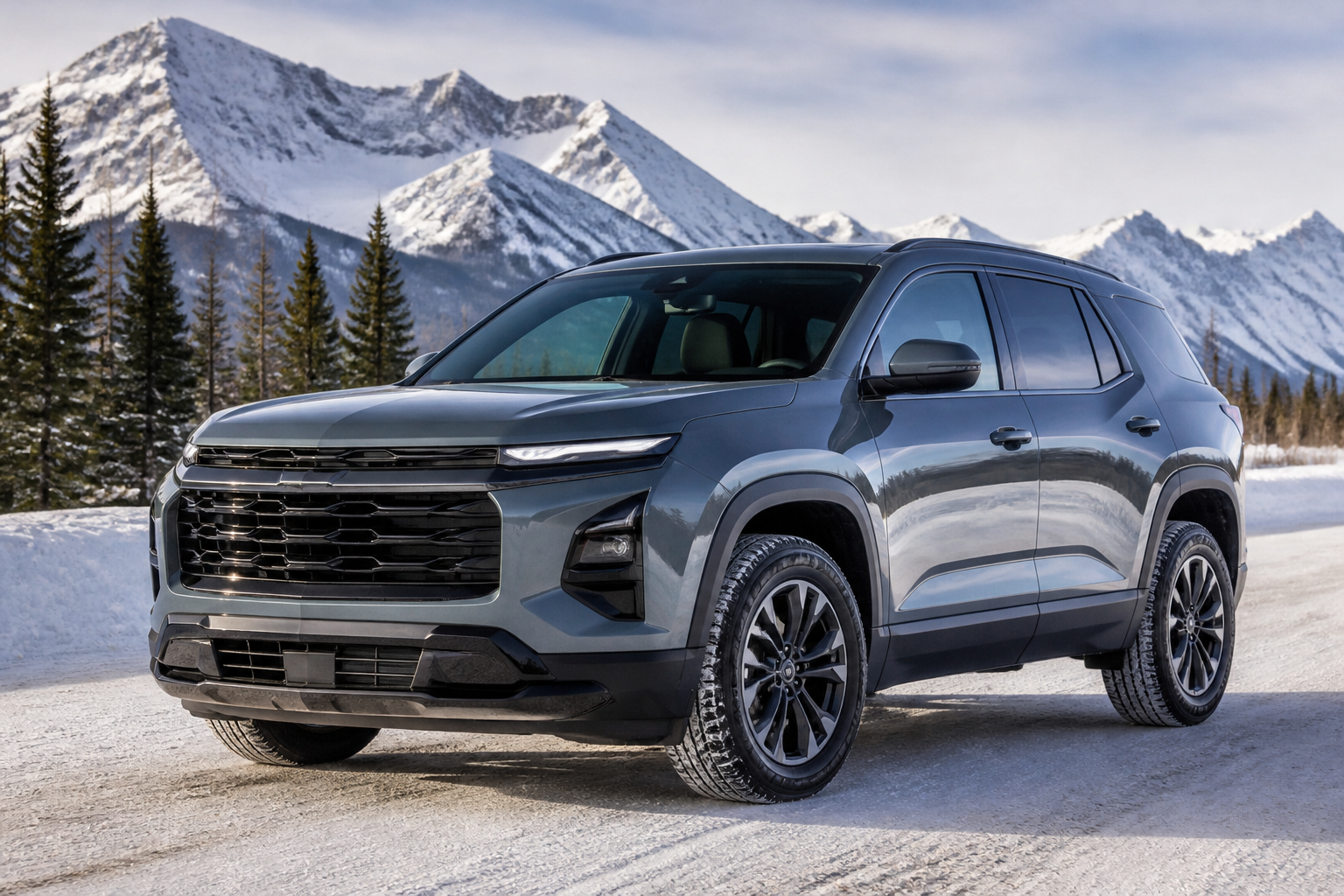
Hybrid SUVs Under $35K: The 2027 Alberta Shortlist
Cold mornings, long highways, and rising fuel prices: is a hybrid SUV finally the sweet spot for Alberta?
If you’re watching your fuel budget and still want year-round traction for Alberta winters, a hybrid SUV under $35,000 CAD hits a practical middle ground. You get excellent mileage for daily commutes and enough ground clearance for slushy shoulder season. The trick is knowing which models (and years) fit your budget in 2027—and which ones actually handle Alberta’s cold without turning every start-up into a rough, thirsty warm-up.
What “under $35K” really looks like in 2027
In Alberta, $35,000 CAD before tax and fees puts most larger hybrid SUVs in the lightly used column, while a few compact options may still be attainable new (or nearly new) depending on trim and incentives. Most buyers at this price point will be comparing new vs used cars and deciding between a newer, smaller hybrid with warranty remaining, or a roomier model that’s a few years older—with more features and AWD.
We’ve highlighted model years you can realistically target below. Pricing varies with kilometres, trim, and condition, but these picks routinely appear in Alberta listings on an open car marketplace as well as dealer lots and private seller ads.
The best hybrid SUVs under $35K for Alberta buyers
Below is a practical car comparison and vehicle review roundup shaped by Alberta conditions—winter cold, gravel stretches, highway time, and occasional towing. Fuel economy estimates are combined figures; expect winter to add roughly 10–25% to consumption if you do lots of short trips in sub‑zero temperatures.
1) Toyota RAV4 Hybrid (2019–2022)
- Why Alberta likes it: Proven reliability, efficient AWD, and a balanced ride on prairie highways and mountain road trips. Parts and service are easy to find province‑wide.
- Typical economy: ~6.0 L/100 km combined; more in deep cold with short-hop driving.
- What fits under $35K: 2019–2021 most trims; 2022 often with higher kilometres.
- Winter notes: Heats up reasonably fast for a hybrid; remote start and heated seats/steering wheel help reduce idling.
- Watch for: Check for proper maintenance of the AWD system and a second set of true winter tires (3PMSF) included or budgeted.
2) Ford Escape Hybrid (2020–2023)
- Why Alberta likes it: Comfortable ride, straightforward tech, and good availability on the used market.
- Typical economy: ~5.8–6.2 L/100 km combined; AWD models are slightly higher.
- What fits under $35K: 2020–2022 trims commonly; 2023 base/active trims with mileage.
- Winter notes: Quiet cabin; consider a block heater. Verify the heat output on test drives in very cold weather.
- Watch for: Software updates; ensure hybrid system recalls (if any for the VIN) are completed.
3) Hyundai Tucson Hybrid (2022–2023)
- Why Alberta likes it: Comfortable and roomy, confident AWD tuning, and solid safety tech suite.
- Typical economy: ~6.4–6.7 L/100 km combined.
- What fits under $35K: 2022–2023 Preferred/Essential-equivalent trims with typical kilometres.
- Winter notes: Strong seat/steering wheel heaters and good defrosting—helpful for shoulder season ice.
- Watch for: Confirm maintenance intervals were followed; inspect for any underbody damage from gravel or oil lease roads.
4) Kia Sportage Hybrid (2023–2024)
- Why Alberta likes it: Spacious interior, confident AWD, practical cargo space for hockey bags and camping gear.
- Typical economy: ~6.0–6.3 L/100 km combined.
- What fits under $35K: 2023 LX/EX with average kilometres; 2024 may squeeze in as fleet returns arrive.
- Winter notes: Consider a grille cover in extreme cold to speed warm‑up (only if appropriate and safely installed).
- Watch for: Confirm winter tire sizing; many EX/LX run affordable 17–18" sizes.
5) Kia Niro Hybrid (2021–2024)
- Why Alberta likes it: Outstanding fuel economy and easy urban maneuvering while still handling weekend runs to the mountains.
- Typical economy: ~4.4–4.8 L/100 km combined (FWD only).
- What fits under $35K: Many trims land well under $35K, including newer models.
- Winter notes: FWD with good winter tires is surprisingly capable; carry cables or a traction aid if you park on unplowed surfaces.
- Watch for: Make sure the included all‑season tires aren’t the only set—proper winters matter with FWD.
6) Mitsubishi Outlander PHEV (2018–2020)
- Why Alberta likes it: Plug‑in capability for short electric commutes with gas backup for long highway trips; decent ground clearance.
- Typical economy: EV range in the 30–40 km ballpark on earlier models; once the battery depletes, expect conventional SUV fuel use.
- What fits under $35K: 2018–2020 well‑equipped trims are commonly listed within budget.
- Winter notes: Pre‑heat the cabin while plugged in. Expect reduced EV range in ‑20°C conditions—plan to charge nightly if possible.
- Watch for: Verify charging equipment and that the vehicle has a healthy traction battery via a hybrid‑aware inspection.
7) Lexus UX 250h (2019–2021)
- Why Alberta likes it: Premium feel, Toyota‑family hybrid reliability, and often overlooked in used listings—good value.
- Typical economy: ~6.0 L/100 km combined.
- What fits under $35K: 2019–2021 models with reasonable kilometres.
- Winter notes: Many trims include heated seats and steering; AWD‑e system is effective for light snow.
- Watch for: Smaller cargo area—great for singles/couples, tight for big families.
8) Toyota Venza Hybrid (2021–2022)
- Why Alberta likes it: Quiet, refined ride and standard hybrid AWD; excellent for long, windy highway stretches.
- Typical economy: ~6.1–6.3 L/100 km combined.
- What fits under $35K: 2021 often within budget; 2022 may require higher kilometres to fit.
- Winter notes: Strong seat heaters; consider a block heater for extended sub‑zero parking.
- Watch for: Prior windshield replacements (common on highway cars). Check ADAS calibration after glass work.
9) Toyota Highlander Hybrid (2017–2019)
- Why Alberta likes it: Three rows and hybrid AWD for larger families—without minivan vibes.
- Typical economy: ~7.5–8.0 L/100 km combined (size considered, this is excellent).
- What fits under $35K: 2017–2018 commonly; 2019 with higher kilometres.
- Winter notes: Heavy vehicle = stable in crosswinds; make sure it wears quality winter tires.
- Watch for: Suspension bushings and brakes on higher‑km examples; budget for a refresh if needed.
Hybrid vs. PHEV for Alberta living
Conventional hybrid (HEV): No plugging in; best for drivers who can’t install home charging or frequently drive long distances at highway speed. In cold snaps, the engine runs more to heat the cabin—expect a fuel economy dip on short trips.
Plug‑in hybrid (PHEV): Great if you can plug into 120V at home or work. You’ll do many errands on electricity alone, even in winter if you pre‑condition. For long highway trips, it behaves like a regular hybrid. Just remember: deep cold reduces EV‑only range, and you’ll want to pre‑heat while plugged in.
Alberta‑specific buying tips that actually help
1) Budget for true winter tires (3PMSF)
Hybrids shine with efficient starts and stops—until all‑season tires hit ice. A proper winter set (3PMSF symbol) unlocks the traction your AWD system is designed for. If the seller includes a winter set, that’s $1,000–$1,600 saved depending on wheel size.
2) Get a hybrid‑aware inspection
- Ask for a scan of the high‑voltage system: state of charge, cell balance, and any hybrid or inverter codes.
- Check the 12V battery; weak 12V batteries cause strange hybrid behaviours in the cold.
- Confirm no outstanding hybrid‑system recalls for the VIN.
3) Warranty math matters
In Canada, many hybrid components—including the traction battery—carry long warranties (commonly around 8 years/160,000 km, model‑dependent). For a 2019 purchase in 2027, you may still have coverage left. Verify exact Canadian warranty terms per brand and keep service records handy.
4) Test how it heats—on the coldest day available
On a chilly morning, confirm the cabin warms quickly without constant high‑RPM flaring. Hybrid heaters vary; some use engine heat generously, others lean heavily on seat/steering wheel warmth. Try a remote start or pre‑conditioning routine if equipped.
5) Gravel and rural drives
Many Alberta hybrids will see gravel. Inspect underbody panels, plastic aero shields, and the radiator support for damage. Consider installing simple stone guards or mud flaps to protect rocker panels and keep door seals cleaner in winter.
6) Paperwork and disclosures (Alberta‑specific)
- Confirm the selling business is AMVIC‑licensed if you’re purchasing from a dealer or broker. Private sales don’t require a licence, but you still want a lien search and a vehicle history report.
- If the vehicle was brought from out of province, ask about and plan for Alberta’s out‑of‑province inspection.
- Request full disclosure of prior accidents, written estimates, and repair invoices—especially for hybrid system components after a collision.
Trim tactics: how to keep hybrids under $35K
- Toyota RAV4 Hybrid: Target LE/XLE AWD for value; Limited adds features but can creep over budget unless higher‑km.
- Ford Escape Hybrid: SE/SEL with AWD and Co‑Pilot360 is the common sweet spot under $35K.
- Hyundai Tucson/Kia Sportage Hybrid: Preferred/EX trims balance heated features with price; panoramic roofs and larger wheels push costs up.
- Kia Niro Hybrid: EX/EX Premium trims often remain under budget even with low kilometres.
- Outlander PHEV: GT trims are attainable and well equipped; ensure charger and manuals are included.
Fuel savings you can actually bank
Consider an Alberta driver commuting 60 km round‑trip, five days a week, plus weekend errands—about 20,000 km per year. A hybrid averaging 6.2 L/100 km vs. a comparable gas SUV at 10.0 L/100 km saves about 760 litres annually. Even at a conservative $1.50/L average, that’s ~$1,140 saved per year—before you factor in winter tire efficiency or PHEV charging strategies.
Financing and shopping smart—without pressure
Whether you’re browsing new and used cars Edmonton shoppers often compare or searching a car marketplace Alberta drivers trust, get your budget and approval options lined up before test drives. Pre‑approval sets realistic expectations and protects you from falling for a vehicle that doesn’t fit your payment comfort zone.
- Time your search: fresh trade‑ins and lease returns hit listings in waves—watch for month‑end updates.
- Compare payments for hybrids vs. non‑hybrids; the fuel savings often offset a slightly higher price.
- If you’re moving on from a higher‑rate loan, consider auto loan refinancing once your credit improves and rates align.
On our open marketplace—Driving With Us Auto Market—you can shop dealer listings and private seller cars in Alberta in one place. As an AMVIC‑licensed automotive agent/broker operated by 2860134 Alberta Inc., we also support financing on both dealer and private‑sale transactions. Participating dealerships (not us) handle lender submissions and credit checks with your authorization. We don’t sell application or lead data; we only share what’s needed to provide the service you request. A sourcing enquiry or public application form does not authorize us to obtain a credit report.
If you’re ready to compare options and want a head start:
- Set your budget and get pre-approved without committing to a specific vehicle.
- Exploring a hybrid as a first purchase? Ask about first time car buyer programs.
- Building back credit? We help connect you with lenders that consider real‑world situations, including bad credit car loans and $0 down car loans where available.
- Shopping within city limits? We can also help with auto financing in Edmonton via participating dealership partners.
Real‑world Alberta scenarios: which hybrid SUV fits?
The highway commuter with weekend adventures
Shortlist: Toyota RAV4 Hybrid, Toyota Venza Hybrid, Hyundai Tucson Hybrid.
Why: Stable highway manners, comfortable seats, and AWD confidence. Look for adaptive cruise and lane‑keep for long hauls.
The budget‑first urban driver who still hits the trailheads
Shortlist: Kia Niro Hybrid, Ford Escape Hybrid FWD/AWD.
Why: Best fuel savings for city routes while remaining capable with a proper winter tire setup.
The family hauler who can’t justify minivan fuel use
Shortlist: Toyota Highlander Hybrid (2017–2018).
Why: Three rows and hybrid economy; check cargo flexibility and kid‑gear storage with seats up.
The short‑range charger with a long‑range life
Shortlist: Mitsubishi Outlander PHEV (2018–2020).
Why: Charge at home for errands and school runs; keep gas backup for road trips and extreme cold. Pre‑condition religiously in winter.
Checklist before you say yes
- History: Pull a vehicle history report, verify lien status, and cross‑check kilometres with service records.
- Battery health: Request a hybrid system scan and look for any trouble codes or unusual voltage differences.
- Tires and brakes: Hybrids regenerate often; front brakes can corrode if a vehicle sat—inspect pad/rotor condition closely.
- Two key fobs: Replacements on push‑button hybrids aren’t cheap—confirm you get both.
- Winter kit: Ask for block heater cord, engine oil appropriate for sub‑zero startup, and floor liners to handle slush.
- ADAS calibration: After windshield or bumper repairs, confirm camera/radar systems were recalibrated.
A note on incentives and fees
Alberta doesn’t currently offer provincial rebates for hybrids or PHEVs. Federal iZEV incentives apply only to new vehicles that meet program criteria (primarily EVs and qualifying PHEVs within MSRP caps). Budget for GST, registration, and any out‑of‑province inspection if you’re importing a vehicle purchased elsewhere. If you buy from a business, AMVIC rules require proper disclosures; for private sales, your diligence is your protection.
Bottom line: hybrids that make Alberta sense
If you want the best blend of value, winter practicality, and fuel savings under $35K in 2027, start with the Toyota RAV4 Hybrid, Ford Escape Hybrid, Hyundai Tucson Hybrid, and Kia Sportage Hybrid. If maximum savings per litre is your priority and you’re okay with FWD, the Kia Niro Hybrid is a quiet champion. Need plug‑in flexibility? The Outlander PHEV is often the most affordable gateway into electric commuting with gas backup.
Ready to compare listings? Build a shortlist with mileage, trim, and tire sets noted, then schedule back‑to‑back test drives on the coldest day you can. That’s the best real‑world auto comparison you’ll ever do—and the surest way to bring home a hybrid that’s happy in Alberta.
Driving With Us Auto Market is an online marketplace and AMVIC‑licensed automotive agent/broker (operated by 2860134 Alberta Inc.). We connect Alberta buyers and sellers—dealers, partners, and private owners—and support financing for both dealer and private‑sale purchases. Participating dealerships, not DWU, handle lender submissions and credit checks with your authorization. We don’t sell application or lead information; we share only what’s necessary to provide the service you request. A sourcing enquiry or public application form does not authorize us to obtain a credit report.